






A day in Dong Hoi before the caves of Phong Nha
Use Dong Hoi for the coast, an early market visit and a short history walk. If caves are the priority, leave enough time for the journey to Phong Nha.
Dong Hoi is useful as an arrival point for Phong Nha, but you can also spend a day here without making the caves the main event. The river, seafood market and beaches are the draw; the war relics and old gate fit into a short city walk rather than eight separate sightseeing appointments.
If you have only one night before moving inland, choose the waterfront or a nearby beach and rest. A full spare day gives you room for an early market visit, a history walk and either Bao Ninh or the Quang Phu dunes later on.
Start with the market or Nhat Le Beach
Dong Hoi Market and the Fish Market
Go early. Really early. Dong Hoi’s markets show the practical side of the city: seafood, vegetables, herbs, breakfast bowls, and vendors getting on with the day before the heat arrives. The fish market is especially useful if you want to see what local families actually buy, rather than a market arranged for tourists.
Ask before taking close-up photos, and don’t block a stall while you frame the shot. Buy a small snack, try a local coffee, and leave room for lunch. Fresh seafood is one of Dong Hoi’s simplest pleasures, but the best choice depends on what came in that morning.
Cost: free to browse; snacks and meals vary.
Nhat Le Beach
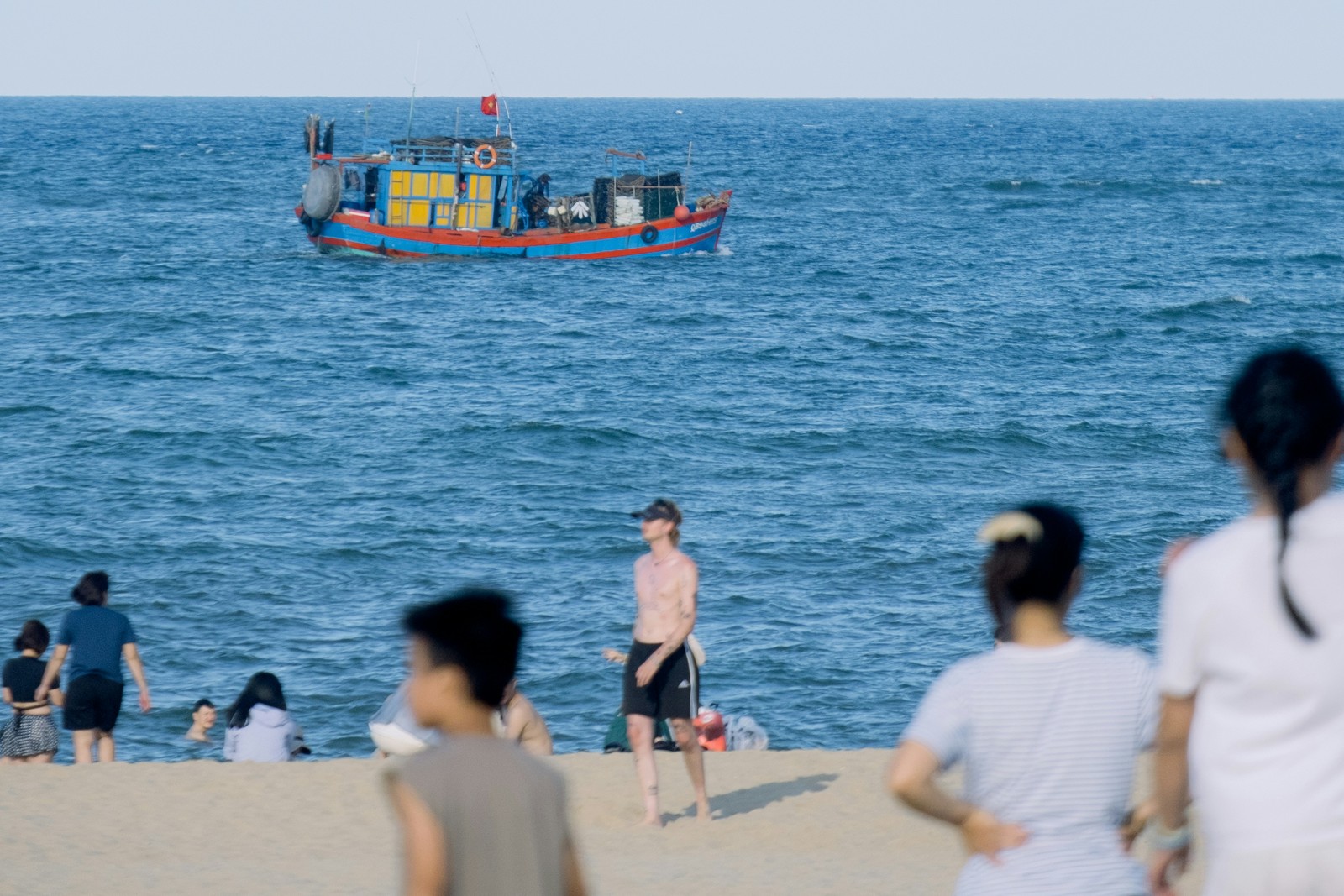
Nhat Le is Dong Hoi’s easiest first stop. The beach runs beside the city and is simple to reach from the central streets, so you don’t need a full-day plan to enjoy it. Walk the sand, swim when conditions are safe, or sit with a cold drink and watch the fishing boats move along the coast.
Go early if you want a quieter walk. Local swimmers and beach vendors make the place feel more alive later in the day, but the midday sun is no joke. Around 4:30pm, the beach becomes a much better place to linger.
Cost: walking on the beach is free.
A short walk through the city’s history
Tam Toa Church Relic
Only the bell tower and part of the old structure remain at Tam Toa. The site is a quiet reminder of how heavily this area was affected by war. It isn’t a polished museum, and that is why the visit works: you stand in front of the remains and let the place speak for itself.
Keep the visit short and respectful. The relic sits close to roads and other city stops, so it fits easily into a morning history walk with Quang Binh Quan and the citadel area.
Cost: free to view from the public area.
Quang Binh Quan Gate
Quang Binh Quan is one of Dong Hoi’s best-known historic landmarks. The gate dates to the period of the Nguyen lords and formed part of the old defensive system around the city. It is not a huge complex, so don’t arrive expecting half a day of exhibits. Give it 15–30 minutes, read the signs, and look at the surrounding streets.
This is a good stop when the weather turns too hot for the beach. Visit in the morning, then continue toward the citadel and riverfront. The area is compact enough to cover on foot, though traffic means you should stay alert when crossing.
Cost: free to see from outside. Time needed: about 30 minutes.
Dong Hoi Citadel and the Old Defense Line
Dong Hoi Citadel is another reminder that this coastal city has always mattered as a route through central Vietnam. The surviving sections are modest, but the story is bigger than the walls you can see today: the city sat on an important north–south corridor and defended access around the Nhat Le River.
Don’t treat this as a standalone blockbuster attraction. Treat it as one piece of a walking route. Start at the gate, continue through the nearby streets, and stop for coffee when the heat catches up. That makes the history easier to picture and the morning more enjoyable.
If you’re heading west for the caves, our Phong Nha guide covers the bigger cave-and-jungle day. Dong Hoi is the calmer base before or after that trip.
Mother Suot Monument
The Monument of Mother Suot remembers Nguyen Thi Suot, a local woman who ferried people and supplies across the Nhat Le River during the war. The statue stands near the river, where the setting matters as much as the monument itself: look toward the water and imagine how exposed that crossing would have been.
Visit in the late afternoon, when you can combine it with a river walk and dinner. This is a stop for reflection, not a place to rush through while ticking boxes.
Cost: free.
Across the river to Bao Ninh, or out to the dunes
Bao Ninh Beach
Cross the Nhat Le River and you’ll reach Bao Ninh, a wide stretch of sand with a more open feel. It is a good choice when you want beach time without staying right in the middle of the city. Bring water, sunscreen, and cash for a simple seafood meal nearby.
The river crossing is part of the fun. Look back toward Dong Hoi from the bridge and you’ll see how closely the city, river, and coast fit together. That view explains Dong Hoi better than a long paragraph does.
Cost: free to visit; food and drinks vary by stall or restaurant.
Quang Phu Sand Dunes
Quang Phu gives you a different side of Quang Binh: pale sand, wind, and a wide view instead of palms and hotel pools. You can walk the dunes, take photos, or try a sand-sledding activity when local operators are set up.
The dunes are exposed and the sand heats up. Choose early morning or late afternoon, bring water and avoid a long walk there at midday. Check any sled-rental charge before taking equipment onto the slope.
Cost: access is generally free; activity and rental prices can change locally, so check on arrival.

Staying for the coast or continuing to Phong Nha
How Many Days Do You Need?
One full day is enough for the city itself: beach at sunrise, the historic stops before lunch, a break during the hottest hours, then Bao Ninh or Nhat Le at sunset. Add a second day if you want a relaxed beach morning or a trip toward Phong Nha.
Dong Hoi also works well as a one-night stop on a longer Vietnam route. It has an airport, a railway station on the north–south line, and road connections to the Phong Nha area. The airport is about 6 km from the city centre, according to local destination information, so arrival is fairly straightforward.
When to Visit Dong Hoi
Dong Hoi’s dry season usually runs from April to August, while September to March is wetter. Late August can still give you good beach weather, but check the forecast before planning a dune visit or a long coastal day. Rain can change the feel of the city quickly.
For most travelers, April through August is the easiest window for beaches and outdoor stops. If you visit from September onward, keep your plan flexible: do the beach and dunes when the sky is clear, then use the historic stops and seafood places as your backup.


Content summary
Other blogOther blog
Related blogs


What to Eat in Hue — 10 Dishes Locals Actually Eat
Hue is Vietnam’s food capital and criminally underrated. Here are 10 dishes locals actually eat — where to find them and what they cost.
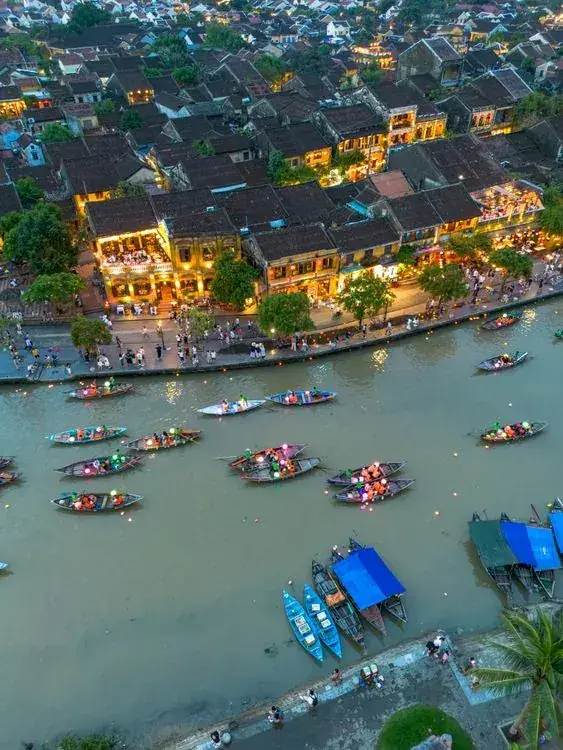
Where to Stay in Hoi An — Best Areas & Hotels for Every Budget
Old Town or the beach? Here’s the honest breakdown of every Hoi An neighborhood — what each one is like, who it suits, and real hotels at real prices.
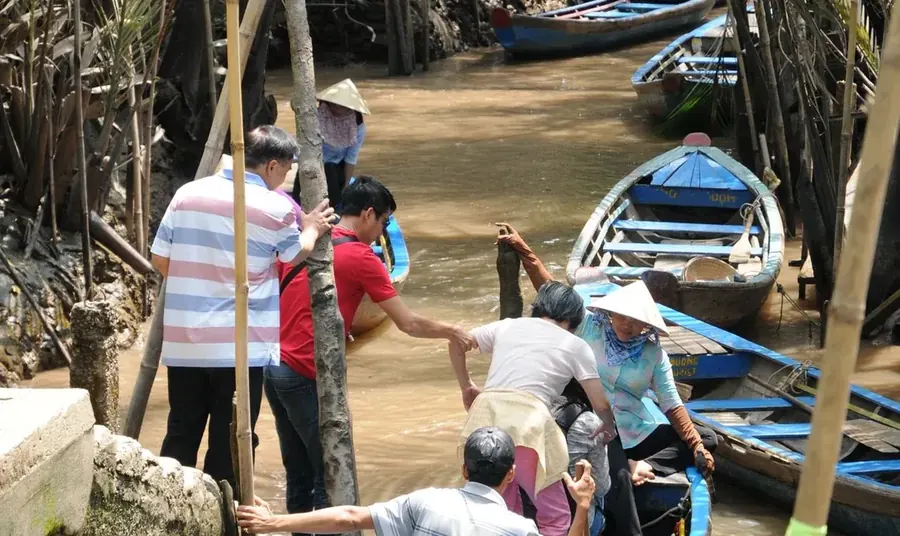
10 Best Things to Do in Ben Tre — Coconut Canals, Sunset Birds & Real Mekong Life
Only 85km from Saigon, Ben Tre is the Mekong at its most authentic. Here are 10 things to do — coconut canals, warm candy, sunset storks and food worth the drive.