

AN Tours Vietnam
Whatsapp BOOK NOW
AN Tours Vietnam
AN Tours Vietnam
Whatsapp
BOOK NOW
AN Tours Vietnam
Whatsapp
BOOK NOW
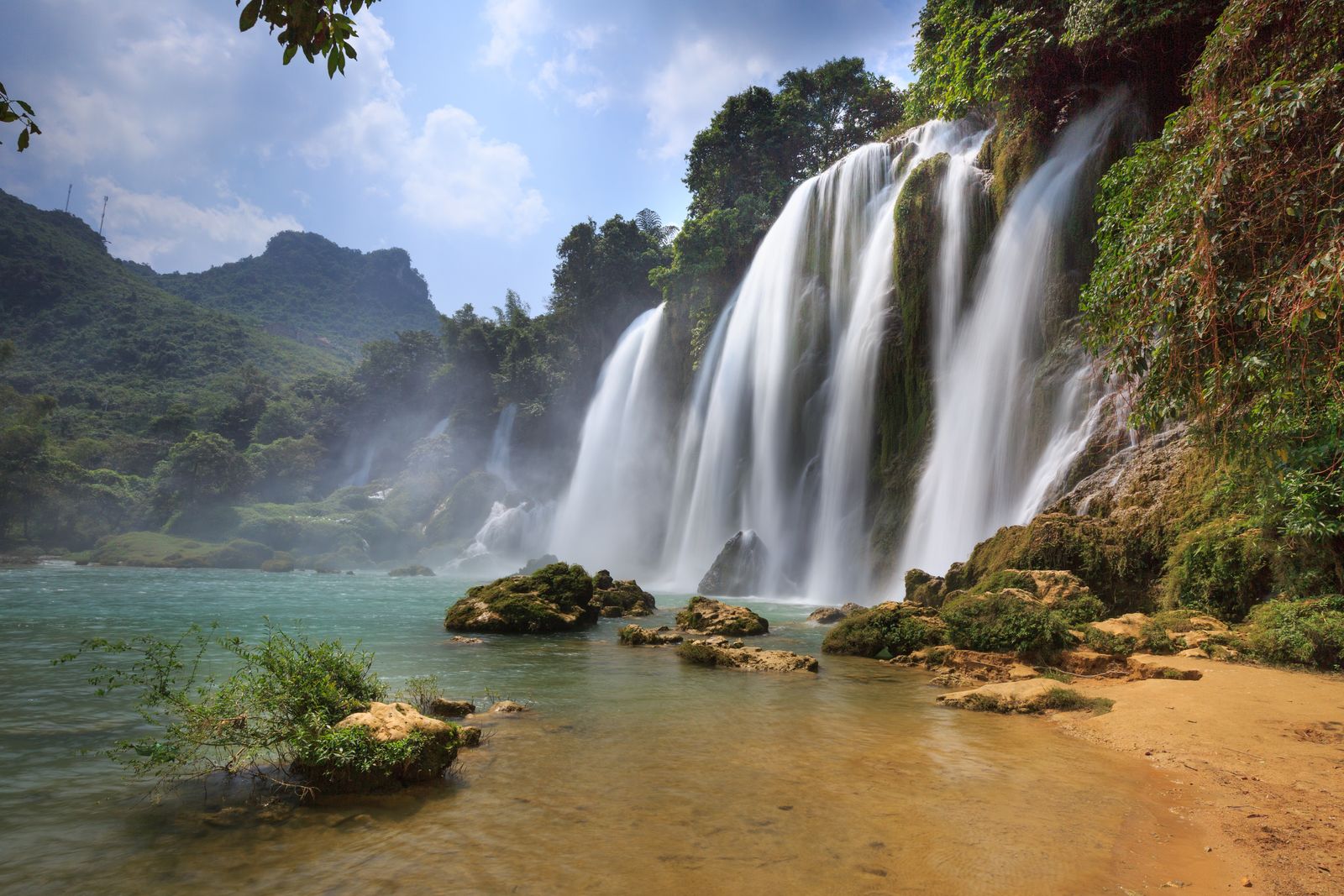
Ban Gioc Waterfall in Cao Bang with green mountains and the Quay Son RiverBan Gioc Waterfall in Cao Bang with green mountains and the Quay Son River
overlay bottomoverlay bottom

Cao Bang Vietnam Travel Guide — Ban Gioc Waterfall, Mountain Roads & What to Know (2026)

Thinking about Cao Bang? Here’s the honest guide — Ban Gioc, cave stops, mountain routes, September-to-April timing, and the mistakes that turn a great trip into a brutal one.

Cao Bang is the kind of place that looks simple on a map and eats three days of your itinerary. The headline is Ban Gioc Waterfall, but the real trip is the slow road through limestone valleys, cave entrances, small villages, and food you probably won’t recognise at first glance.

I’ve planned enough northern Vietnam routes to be blunt: don’t squeeze Cao Bang into a rushed day trip from Hanoi. The roads are long, the scenery keeps making you stop, and the best parts are scattered well beyond the city.

Here’s how to do it without wasting a full day on the wrong transfer — what to see, where to base yourself, when to go, and what to sort out before you leave Hanoi.

Ban Gioc Waterfall in Cao Bang with green mountains and the Quay Son River
Ban Gioc is the headline, but the road there is half the trip.

The Short Version

Stay two or three nights. Use Cao Bang City as your first base, then spend a full day on the Ban Gioc route. If you have a third night, sleep closer to the falls or add a second loop toward Pác Bó and the northern valleys.

September and October can be excellent for fuller water and green scenery, but rain still matters. October to April is generally drier; November to February can feel properly cold at night. Pack for both wet roads and chilly mornings.

Why Cao Bang Is Worth the Long Ride

Cao Bang sits in northeastern Vietnam, close to the Chinese border and roughly 280–300 kilometres from Hanoi. The province is part of the Non Nuoc Cao Bang UNESCO Global Geopark, a huge karst landscape shaped by caves, underground rivers, lakes, and limestone mountains.

That sounds grand on paper. On the ground, it means the drive is the attraction. You pass rice fields, stone houses, roadside forges, bamboo groves, and bends where the view suddenly opens up. Cao Bang doesn’t hand you one compact tourist zone. You have to move around.

Ban Gioc Waterfall

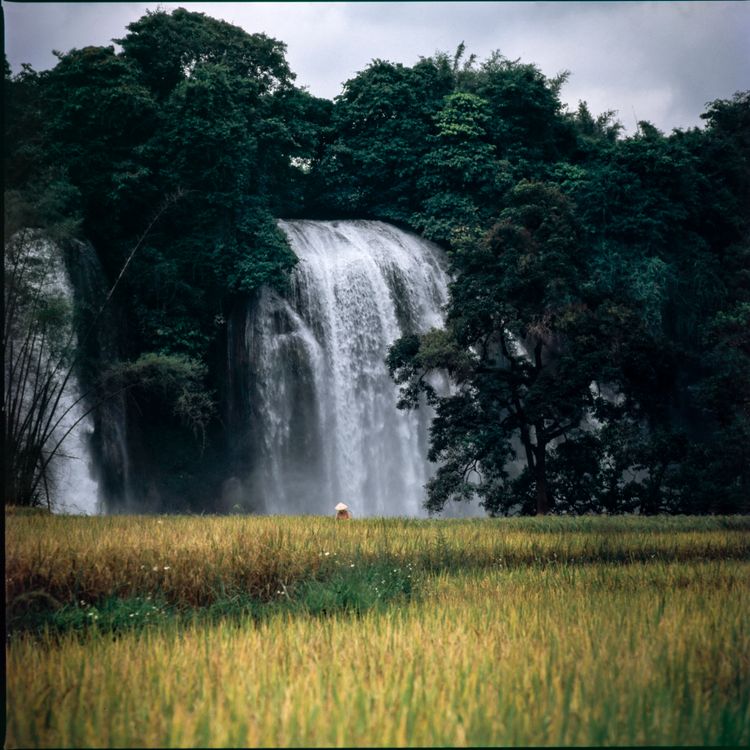
Ban Gioc is about 30 metres high and roughly 300 metres wide, with the Quay Son River forming part of the border between Vietnam and China. The falls are wide rather than tall, so the first impression is scale: several ribbons of water spread across a green valley instead of one narrow drop.

Go early if you want quieter paths and softer light. Stay late enough to see the smaller cascades and the river from different angles. The boat ride near the falls can get you closer, but bring a dry bag for phones and cameras. Water spray is not subtle.

One useful detail: local authorities have historically managed water flow upstream, and late morning can bring a fuller-looking fall. Treat that as a timing hint, not a guarantee. Rain, maintenance, and border-area rules can change the scene.

Ngườm Ngao Cave and Trúc Lâm Pagoda

These two stops belong together. Ngườm Ngao Cave gives you the cool, dark half of the day; Trúc Lâm Phật Tích Pagoda gives you the high viewpoint afterward. The cave has a long system of stalactites and chambers, but visitors only enter the section open to the public.

Wear shoes with grip. The walkway can be damp, and the cave feels cooler than the road outside. Bring water even though the visit isn’t a serious hike — the steps and uneven surfaces add up.

The pagoda is a short but steep climb. It’s not a place to sprint through for a photo. From the upper area, you can look over the valley and understand why the waterfall route takes most of a day.

Limestone karst mountains reflected in still water beside cultivated fields in Cao Bang, Vietnam's mountain valley landscape
Cao Bang's karst valleys — the same dramatic limestone country that hides Nguom Ngao Cave and frames Truc Lam Pagoda above the lake.

Thang Hen Lakes and Angel Eye Mountain

Thang Hen is a group of connected karst lakes whose appearance changes with the season. In wetter periods, water fills the channels and the landscape looks completely different from the drier months. Go with enough time to stop, not just to tick off a pin on Google Maps.

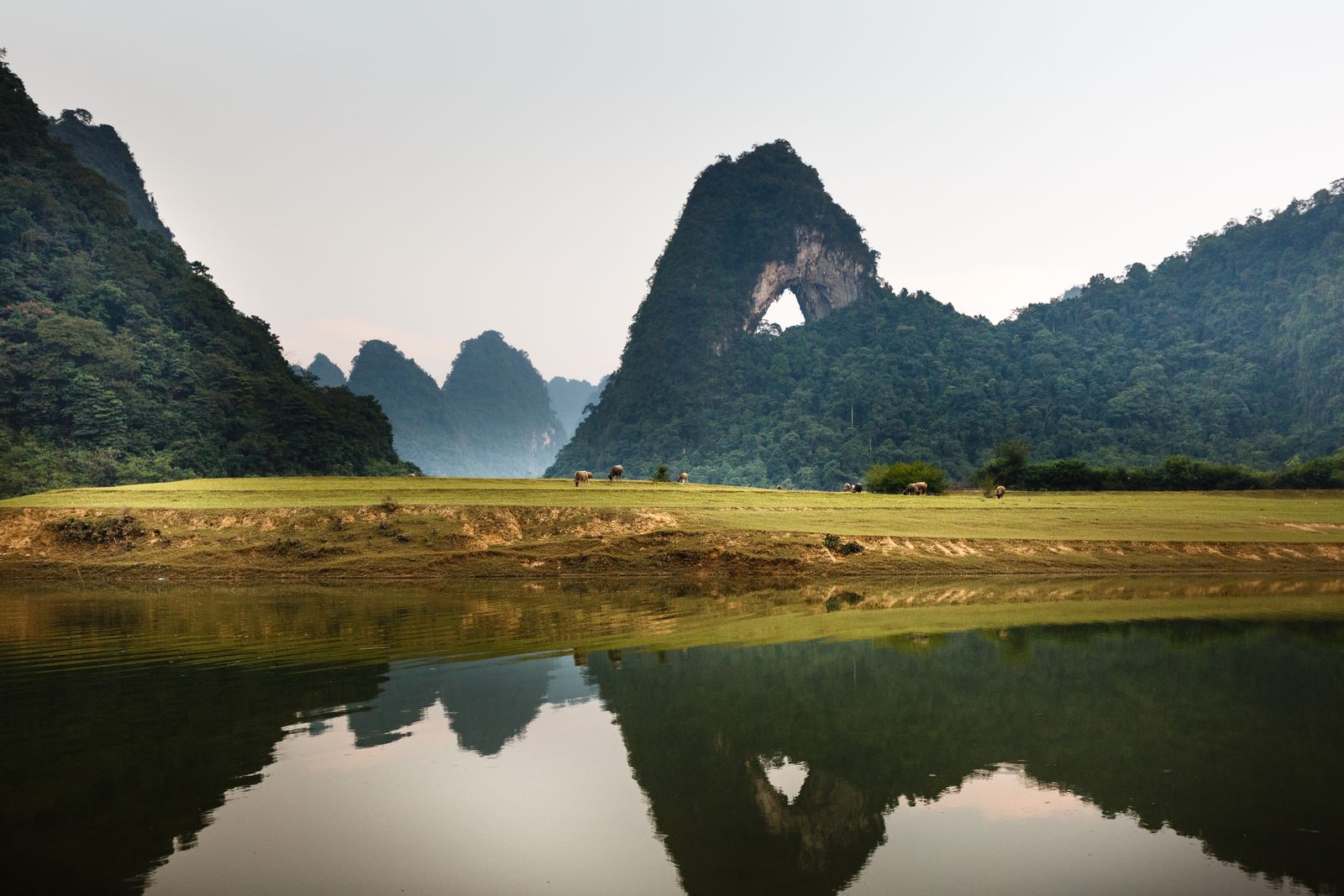
Angel Eye Mountain — locally known as Núi Mắt Thần — is another good add-on if your route and road conditions allow it. The natural opening through the limestone peak is the point, but the surrounding valley is what makes the stop worthwhile.

A local driver or guide helps here because road conditions, parking, and the best approach can change. Offline maps are a sensible backup. Mobile service can be patchy, especially near the border.

Pác Bó and Cao Bang City

Pác Bó Historical Complex is tied to Hồ Chí Minh’s revolutionary history. The site includes the cave where he lived in hiding and the stream associated with his time there. It’s a quieter, more reflective stop than Ban Gioc, and it works well as a separate day from the waterfall route.

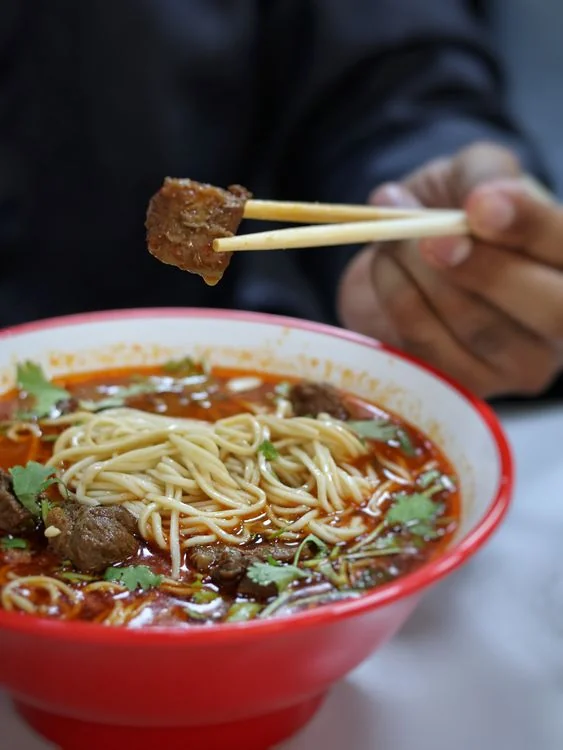
Cao Bang City itself is small enough to walk around. Follow the Sông Bằng River, look for the weekend market, and try local northern dishes such as phở chua (sour noodles) and bánh cuốn. Don’t expect a late-night city break. The appeal is the food, riverfront, and a slow evening before another mountain-road day.

Waterfall and green landscape in Cao Bang, Vietnam
Leave room for the smaller stops — they’re what make the route feel like Cao Bang.

How Many Days Do You Need?

Trip lengthWhat it feels likeBest use of time
1 day from HanoiToo rushedOnly makes sense for a dedicated Ban Gioc tour with no flexibility.
2 nightsFast but workableCity arrival, one full Ban Gioc route day, departure.
3 nightsThe sensible optionBan Gioc plus Pác Bó, Thang Hen, or a slower village route.
4+ nightsRoad-trip paceAdd Angel Eye Mountain, craft villages, viewpoints, and a homestay.

The question travelers ask is usually whether Cao Bang can be combined with the Hà Giang Loop. It can, but don’t pretend the connection is a quick hop. Mountain roads, weather, and bus schedules can turn a neat-looking itinerary into a lot of time in a vehicle.

If you’re travelling with children, older parents, or anyone who hates winding roads, use a private car with a driver. You’ll lose some independence but gain breaks, safer route decisions, and the option to stop when the scenery gets ridiculous.

How to Get to Cao Bang

From Hanoi, buses and minivans usually take around six to eight hours, depending on the vehicle, route, and road conditions. Overnight travel saves daylight but can leave you tired before the mountain sightseeing even starts. A daytime trip is slower on paper and much better for seeing where you are going.

Private car is the comfortable choice for couples, families, and anyone building a longer northern route. If you’re going by bus, confirm the actual departure point and arrival location before paying. ‘Hanoi to Cao Bang’ can mean different pickup arrangements depending on the operator.

Getting Around Cao Bang

  • Motorbike: Great for confident riders, but the roads are long, winding, and not a beginner’s playground once you leave the city.
  • Private car: The easiest option for Ban Gioc, especially with luggage, children, or a group of three or more.
  • Local taxi: Useful around the city, less practical for stitching together a full province route without planning.
  • Maps: Download offline maps before heading toward the border. Don’t rely on a live signal for every turn.

When to Go

September can give you a strong mix of green valleys and impressive water, but it’s still part of the wetter period in northern Vietnam. Check the forecast shortly before leaving and keep a spare day if your trip is built around viewpoints and mountain roads.

October to April is usually drier. October and November are comfortable for road travel, while December through February can bring cold mornings and mist. The waterfall is still worth seeing in cooler months; you just need a jacket, not optimism.

What to Eat in Cao Bang

Cao Bang City is where you should try local dishes before heading into the countryside. Start with phở chua, a tangy noodle dish that tastes nothing like the soup most travellers expect. Bánh cuốn is another easy breakfast choice, especially before a long drive.

Markets and small restaurants may have limited English menus. Pointing, photos, and a translation app help. Carry small cash. Card payments are not something to assume once you’re away from the city centre.

The Questions People Ask Before Going

Is Ban Gioc worth the long journey?

Yes, if you give the route a full day and enjoy scenery beyond the main attraction. No, if you’re trying to race there from Hanoi, take one photo, and race back. That plan is mostly traffic and regret.

Can I do Cao Bang without riding a motorbike?

Yes. Buses get you between major points, and a private car with a driver removes most of the stress on the sightseeing days. You don’t need to ride to enjoy the province.

Can I fly a drone at Ban Gioc?

Don’t assume you can. This is a border area. Follow posted rules and local instructions, and never launch a drone just because someone online did it once.

Before You Go

  • Time: Give Cao Bang at least two nights; three is much more comfortable.
  • Weather: Check rain and road conditions, not just the temperature forecast.
  • Clothes: Bring a light waterproof layer, shoes with grip, and a warm layer for winter mornings.
  • Cash: Keep Vietnamese đồng for food, small tickets, parking, and rural stops.
  • Signal: Download maps and save your accommodation details offline.
  • Respect: Ask before photographing people, homes, or religious spaces.

The Short Version

Cao Bang is not the easiest northern destination, and that’s exactly why it feels different from the standard Hanoi–Ninh Binh–Ha Long route. Go slowly, build the trip around one full Ban Gioc day, and leave space for the road itself.

Need help with the practical parts of a Vietnam trip? Sort your entry paperwork with our Vietnam visa service, and if you’re arriving through Saigon first, pre-book an HCMC airport transfer. WhatsApp/Zalo: +84 70 6666 520.

Posted on:01/09/2026
Share: