




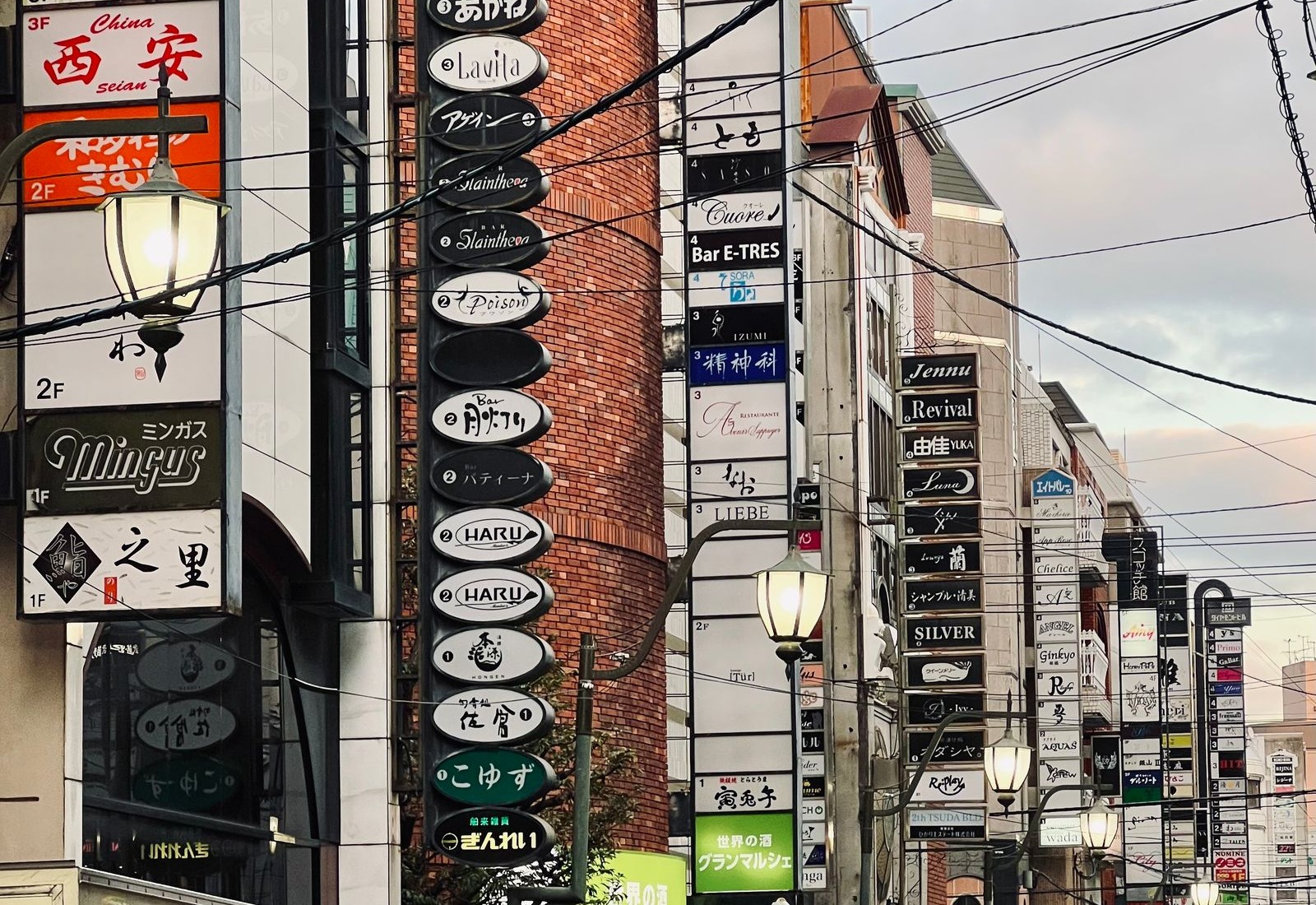


Hiroshima Red Light District: An Evening Around Nagarekawa
Find the Nagarekawa nightlife area, choose a Hiroshima dinner, and use the right tram corridor from Hiroshima Station—not the port-bound line.
Nagarekawa, together with nearby Yagenbori, is the downtown entertainment area generally meant by “Hiroshima red light district.” It is not a single attraction with an entrance or a description of every business in the neighborhood. An ordinary evening here can be a meal, a bar or karaoke; you do not need to enter an adult-oriented venue to spend time downtown.
The useful starting points are the street names and your intended stop. Hiroshima’s shopping arcade, its main railway station and its entertainment streets are different places. Searching only for the district label leaves out the details that decide whether the evening works: where to eat, what a venue charges and which tram takes you back.
Hondori is the shopping street; Nagarekawa is the evening decision
Hondori Shopping Street runs east–west across downtown and mixes shops with restaurants. It is a useful place to orient yourself before heading to a particular dinner or evening venue. It is not another name for Nagarekawa, and a restaurant address near the arcade does not tell you anything about adult entertainment.
For the nightlife side of downtown, keep Nagarekawa, Yagenbori and Ebisucho in view. The Japan National Tourism Organization’s Hiroshima guide describes Ebisucho as an area of bars, clubs, cafés and eateries. These names help narrow your search; the final map pin should still be the actual restaurant, bar or karaoke building, including its floor.
Peace Memorial Park and the Atomic Bomb Dome are separate places of remembrance, not landmarks for a red-light-district visit. You can visit the memorial area during your Hiroshima stay and dine downtown afterwards without treating the two as one attraction.
Make the meal a reason to go downtown
Hiroshima-style okonomiyaki is a substantial starting point. Its ingredients are layered over a thin batter base, with noodles forming part of the dish, rather than everything simply being mixed together. Toppings and noodle choices differ, so read the individual menu instead of assuming every version is the same. Okonomimura, also called Okonomiyaki Village, is one downtown name to look up when choosing where to eat.
If you have already had okonomiyaki, the Hiroshima Tourism Association’s local-food guide offers two useful alternatives. Dry tantanmen brings chili and Japanese pepper to a noodle meal; ask about the heat level when ordering. Koune is a thinly sliced beef-shoulder dish found in local izakaya and other restaurants. Neither requires making adult entertainment part of the evening.
Pick the restaurant first, then decide whether you want another stop. For a short visit, a proper meal followed by one chosen bar is easier to plan than an open-ended crawl. Check that the kitchen is still taking orders: a place being open for drinks does not establish that dinner is available.
Know what is behind the entrance before sitting down
A building directory can list several businesses on different floors. Match the name and floor to the place you chose rather than following the first illuminated sign. A conventional restaurant, a cocktail bar and an adult-oriented entertainment venue are not interchangeable, even when they share a street.
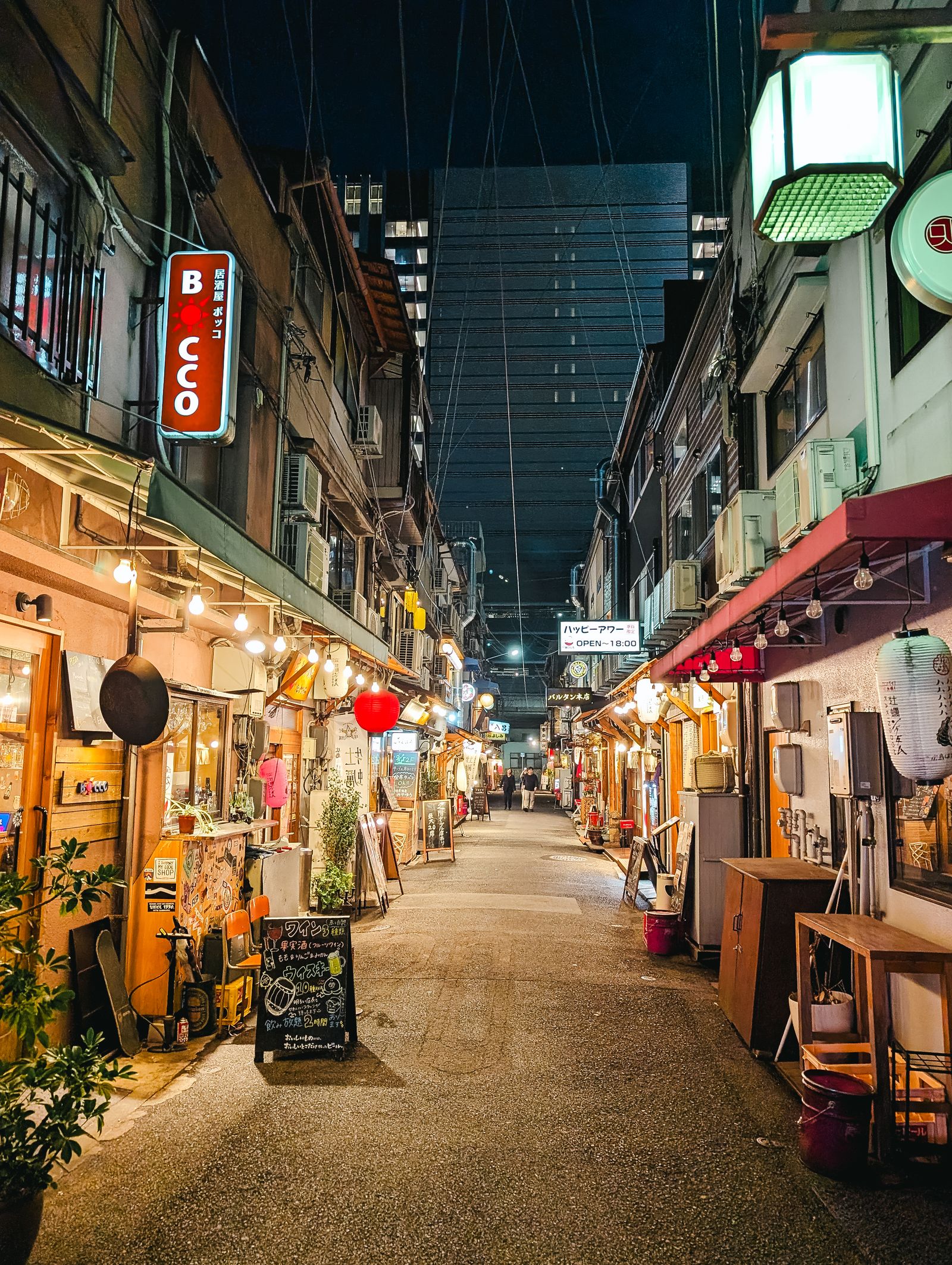
Before ordering, ask whether there is a cover or seating charge, a minimum order, a service charge or a time limit. For karaoke, confirm the room rate, the time unit and whether drinks are compulsory. If a menu or explanation leaves you unsure of the total, choose somewhere with clearer terms. That is a purchasing decision, not a judgment about an entire neighborhood.
Choose your own destination rather than accepting a stranger’s invitation to another venue. Keep photographs focused on streets and buildings; ask before photographing people or interiors, and respect any no-photography request. The people going about their evening are not part of a sightseeing display.
From Hiroshima Station, the tram line matters
On Hiroden’s route map, lines 1, 2 and 6 run from Hiroshima Station through Ebisu-cho and Hatchobori. Those are useful stops to compare against a downtown venue’s address. The operator spells the stop “Ebisu-cho”; other visitor information uses “Ebisucho.”
Do not board line 5 just because it also departs from Hiroshima Station. It runs toward Hiroshima Port via Hijiyama-shita, a different corridor from Ebisu-cho and Hatchobori. Check both the line number and destination display, then use the stop nearest your actual evening plan.
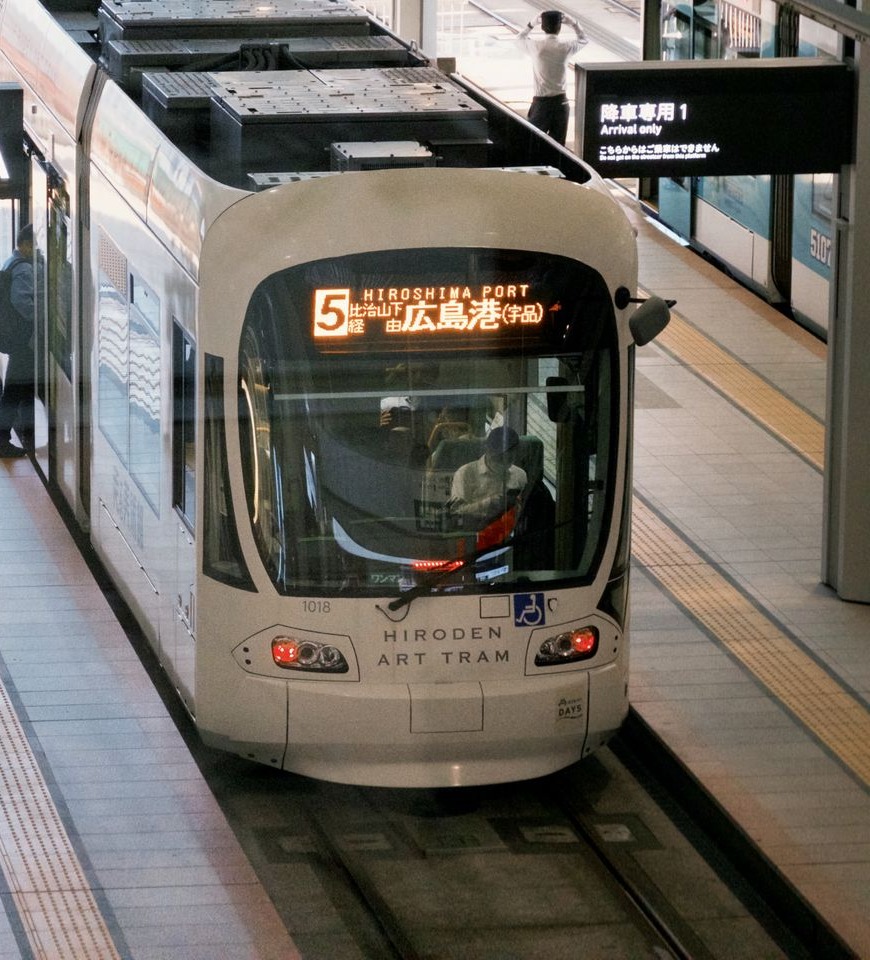
The return journey needs a separate check. Hiroden’s first-and-last-service tables distinguish stops, routes and destinations; there is no single last-tram time that works for every hotel. A late tram heading toward the port or a depot is not a ride back to Hiroshima Station.
Before dinner, check the departure board or current journey information for your return stop and direction, and save your hotel’s Japanese name and address. If you choose to stay out beyond that service, arrange a taxi or assess the actual walking route in advance. If your accommodation is on Miyajima, check the complete onward journey, including the ferry, rather than treating a downtown tram as the whole trip.


Content summary
Other blogOther blog
Related blogs

What to Eat in Hue — 10 Dishes Locals Actually Eat
Hue is Vietnam’s food capital and criminally underrated. Here are 10 dishes locals actually eat — where to find them and what they cost.
Where to Stay in Hoi An — Best Areas & Hotels for Every Budget
Old Town or the beach? Here’s the honest breakdown of every Hoi An neighborhood — what each one is like, who it suits, and real hotels at real prices.
10 Best Things to Do in Ben Tre — Coconut Canals, Sunset Birds & Real Mekong Life
Only 85km from Saigon, Ben Tre is the Mekong at its most authentic. Here are 10 things to do — coconut canals, warm candy, sunset storks and food worth the drive.