







Nagoya Red Light District: Daimon History vs Sakae Nights
Daimon’s former Nakamura quarter and Sakae–Nishiki nightlife are different visits. Find the right area, read old maps carefully, and plan a Nagoya evening.
Daimon and Nishiki are not interchangeable names for the Nagoya red light district. Daimon, in Nakamura Ward west of Nagoya Station, is associated with the former Nakamura Yukaku entertainment quarter. Nishiki belongs to the central Sakae nightlife picture: a different part of the city, with restaurants, bars, music and shopping.
For a history-focused walk, investigate Nakamura. For dinner followed by city lights or a drink, start with Sakae. Neither label tells you what every business does, and neither is enough to choose a hotel without looking at its actual address.
Start on the right side of Nagoya Station
The two visits pull you in different directions. Nakamura’s Daimon area is west of the station; Sakae is to the east. JNTO’s Sakae guide places Sakae two stops from Nagoya Station on the Higashiyama subway line. You do not have to stay among the nightlife streets to spend an evening there.
For a Sakae visit, save a specific landmark or restaurant rather than a pin labelled only “red light district.” Oasis 21, the MIRAI TOWER and a venue in Nishiki are useful destinations to distinguish on your map. For Nakamura, use the ward’s official walking-map page to put the wider neighborhood in context; the former quarter is not the whole ward.
Before setting an evening’s end time, open the transport bureau’s station timetable for your departure station, direction and day. A late-closing bar does not establish your last train. If you intend to stay beyond your service, budget for another way back rather than treating the short outward subway trip as a return guarantee.
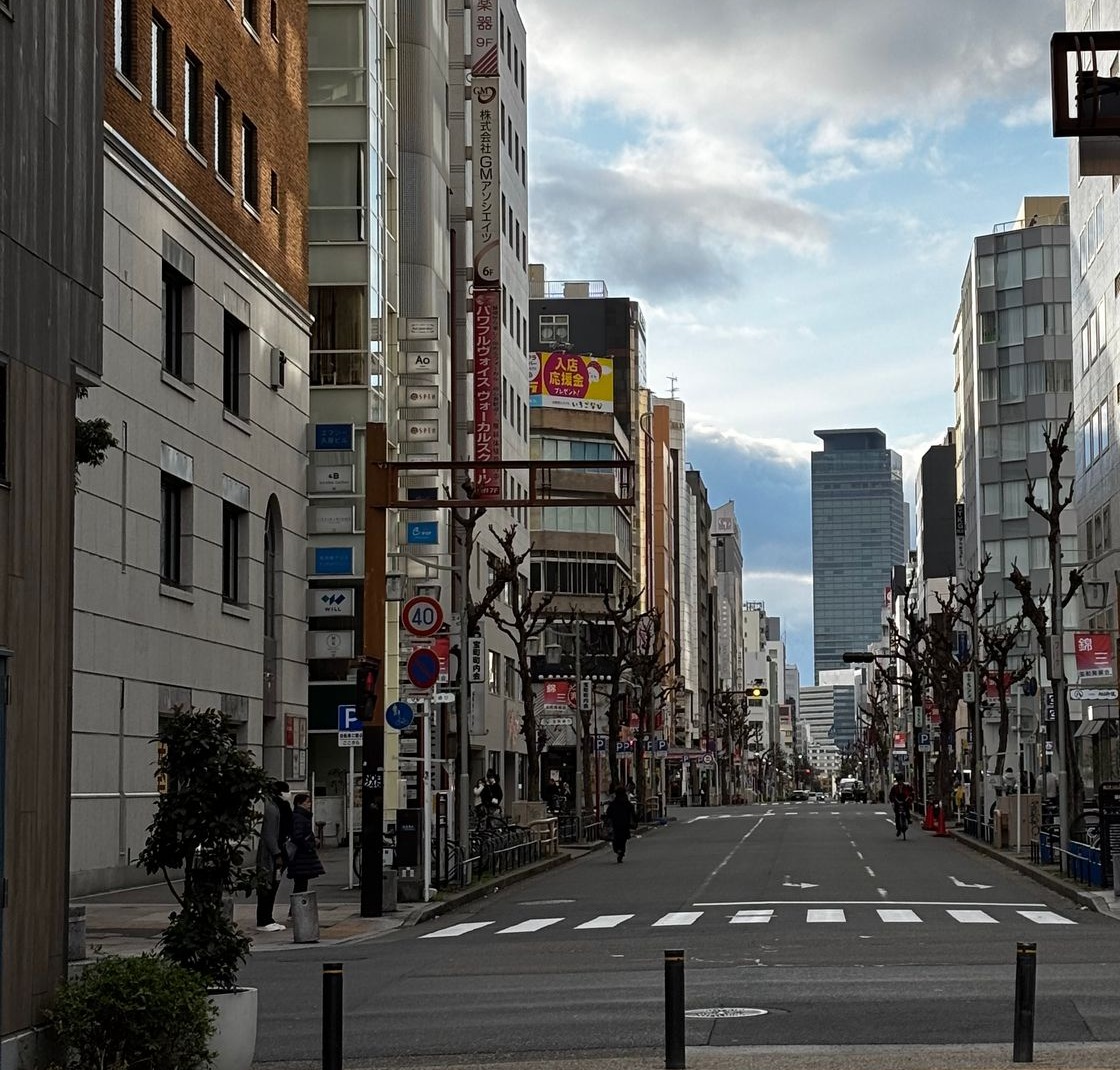
The historic name moved from Osu to Nakamura
Nakamura Yukaku dates from 1923, when the Asahi quarter relocated from Osu. That movement explains why more than one Nagoya place name appears in accounts of the city’s old licensed entertainment districts. Osu’s historical connection is not a description of the shopping district’s present purpose.
The Japanese historical account of Nakamura Yukaku traces later changes under the Meirakuen name and the redevelopment of the Daimon area. Read that history as a record of changing land use, not as a directory of services available now. A building’s former use does not tell you the identity or work of its current occupants.
For a visitor, the interest is in how an entertainment quarter became part of an ordinary urban neighborhood. It is a different outing from looking for a lively bar street: old maps, street patterns and surviving architecture require interpretation rather than a checklist of nightlife venues.
Use old photographs as history, not an admission promise
The ward offers a useful way to investigate its broader history. Its walking cards pair old material with photographs and explanations of the same places. There is an easily missed detail: the city says the “modern” comparison pictures were taken around 2013. They are not a current inventory of buildings you can enter.
Use those cards and the ward map to prepare a daytime walk, then check any particular building you hope to visit. The cards cover Nakamura’s wider history; they are not a dedicated adult-entertainment tour. Distribution points have their own opening days, listed on the city’s page, so a weekend visit should not depend on collecting material from a weekday-only office.
Stay on public streets unless a present-day venue explicitly welcomes visitors. Do not peer into homes, photograph occupants as part of the district’s history or assume an attractive old facade means museum access. If your interest is simply an evening meal, Sakae offers a more direct plan than trying to turn a historical address into a night out.
For an ordinary evening, give Sakae a specific purpose
Sakae is not synonymous with adult entertainment. The city’s official night-time guide brings together dining, live music, shopping and city views. Nishiki addresses appear within that wider picture, including places that have nothing to do with sexual services.
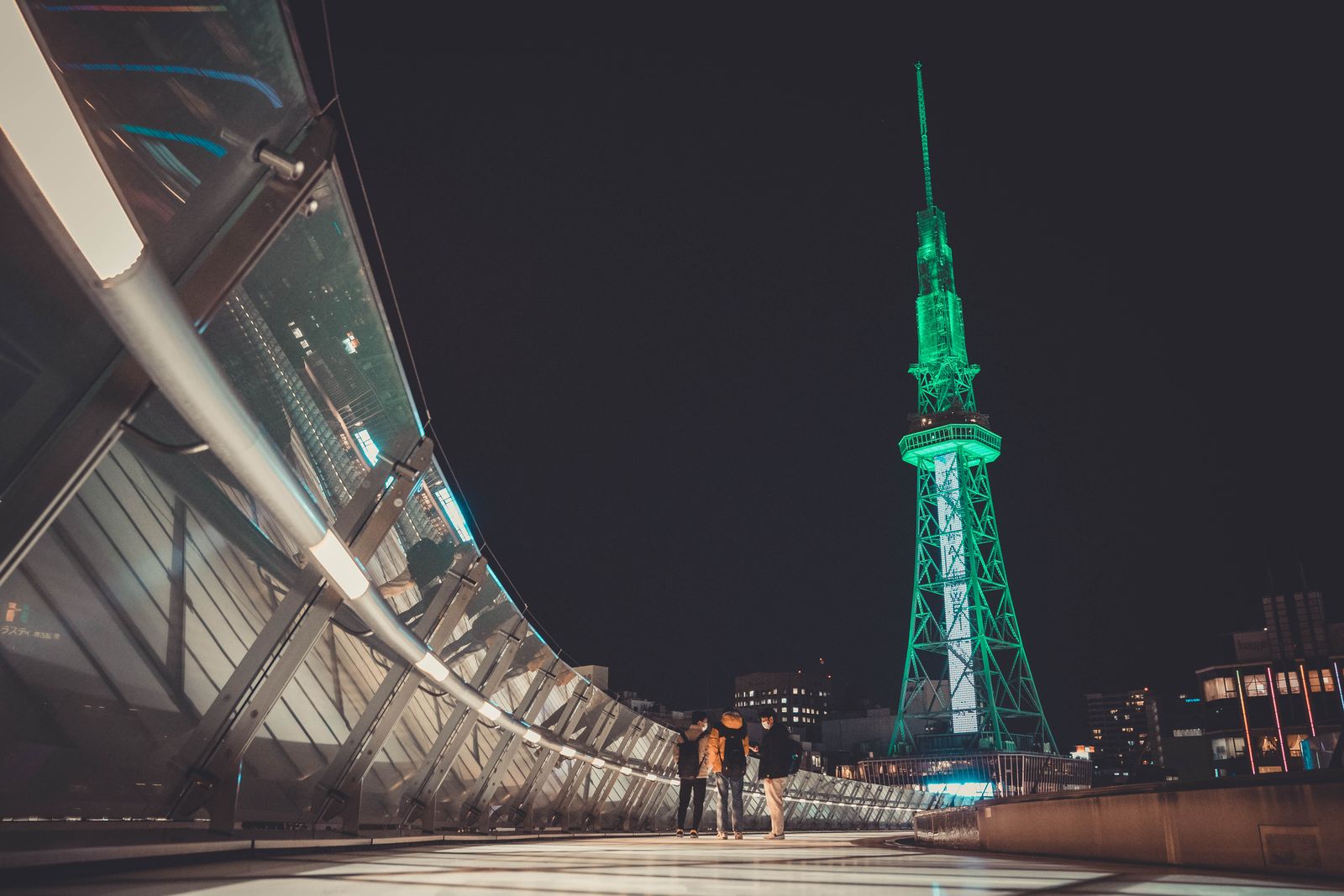
If you want to see the city after dark, use Oasis 21 and the MIRAI TOWER–Hisaya-odori Park area as your orientation points. Seeing a landmark from the street and entering its observation area are separate plans: consult the attraction’s current admission information if going inside matters to your evening.
For dinner, the local tourism guide points to Nagoya specialties such as miso katsu, chicken wings and hitsumabushi, the city’s grilled-eel rice dish. Choose the food first, then a restaurant that serves it. If music is the priority, choose an actual performance and check its date, start time and admission terms rather than assuming any place called a “club” offers the same experience.
Before sitting down somewhere unfamiliar, confirm the full charging arrangement, not just the price of one drink. Ask about any seating or time charge and what the quoted amount includes. A clear menu and an understood bill are more useful selection criteria than a neighborhood’s reputation.
For accommodation, compare the hotel’s exact entrance and recent room-specific noise comments. A Sakae address can suit someone who wants dinner nearby; a station-area address may suit someone continuing by train. Make that decision from your journey and the room you are booking, not from a red-light-district label applied to a whole city.


Content summary
Other blogOther blog
Related blogs

What to Eat in Hue — 10 Dishes Locals Actually Eat
Hue is Vietnam’s food capital and criminally underrated. Here are 10 dishes locals actually eat — where to find them and what they cost.
Where to Stay in Hoi An — Best Areas & Hotels for Every Budget
Old Town or the beach? Here’s the honest breakdown of every Hoi An neighborhood — what each one is like, who it suits, and real hotels at real prices.
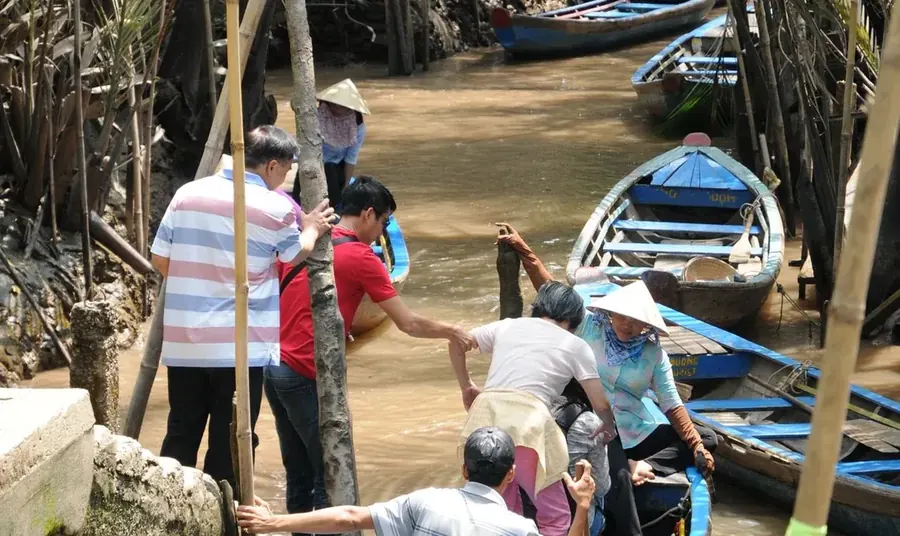
10 Best Things to Do in Ben Tre — Coconut Canals, Sunset Birds & Real Mekong Life
Only 85km from Saigon, Ben Tre is the Mekong at its most authentic. Here are 10 things to do — coconut canals, warm candy, sunset storks and food worth the drive.