






Tipping in Vietnam: When It’s Expected and When It Isn’t
Tipping in Vietnam has no single set amount. Check the bill or booking terms first, then decide whether an optional extra feels right for the service you received.
Vietnam’s official visitor guidance treats tipping as situation-dependent and notes that it is more common in some settings, including with private tour guides and at beauty salons. That is a starting point—not a substitute for checking whether a particular bill or booking already includes gratuities.
Check what you have already agreed to pay
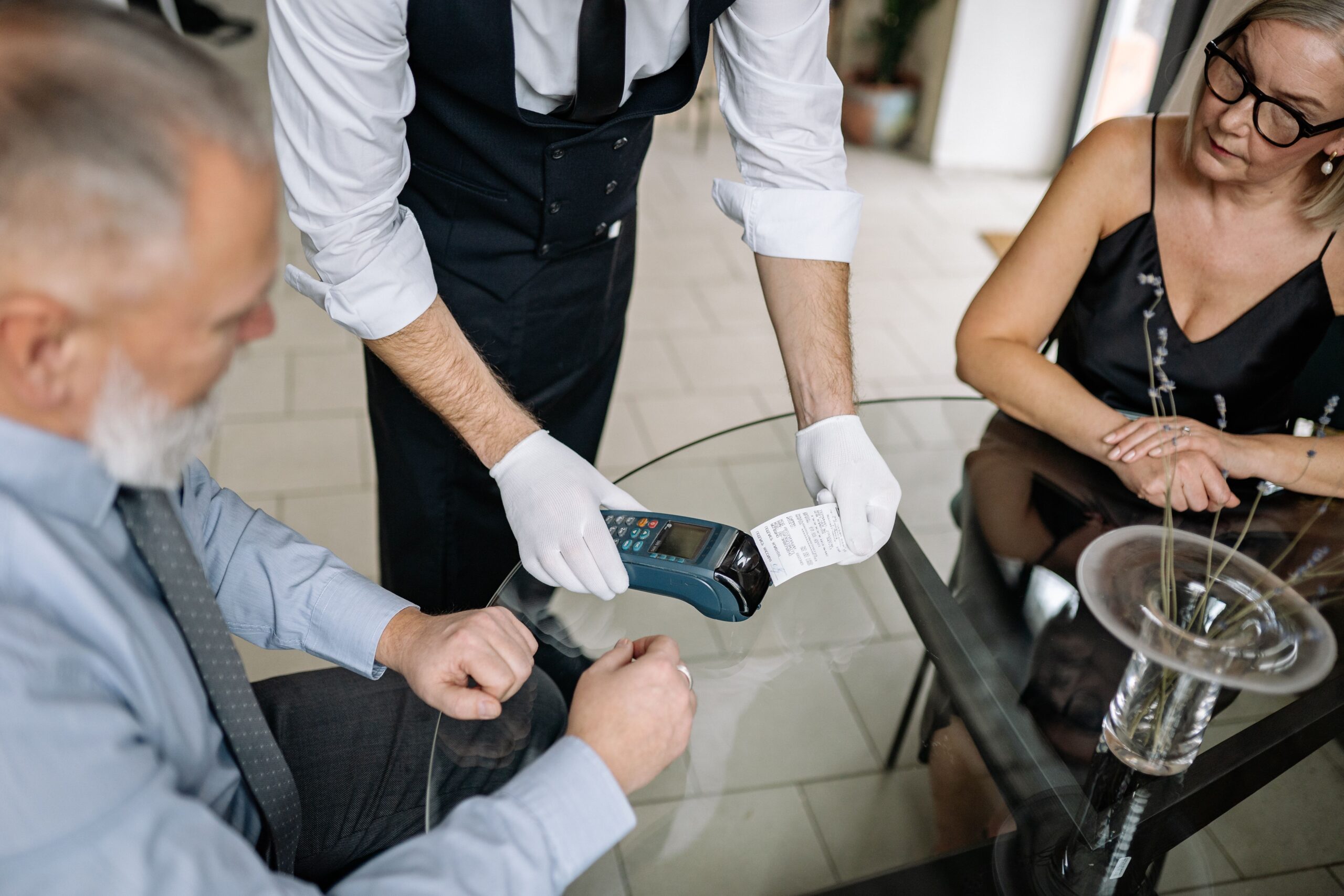
Look for a line labelled “service charge,” “gratuity” or similar before you decide. If a charge is listed, do not assume from its name alone whether it goes to your server or covers a personal tip; ask the business if that distinction matters to you. If no such charge appears, tipping remains your choice rather than a fixed percentage you have to calculate.
The official Vietnam Tourism guide to currency, payments and tipping also notes that cash is useful for small purchases. If you choose to leave a personal tip, cash may be a straightforward option, but the guide does not set a required amount.
For a guide or driver, check the booking you actually made
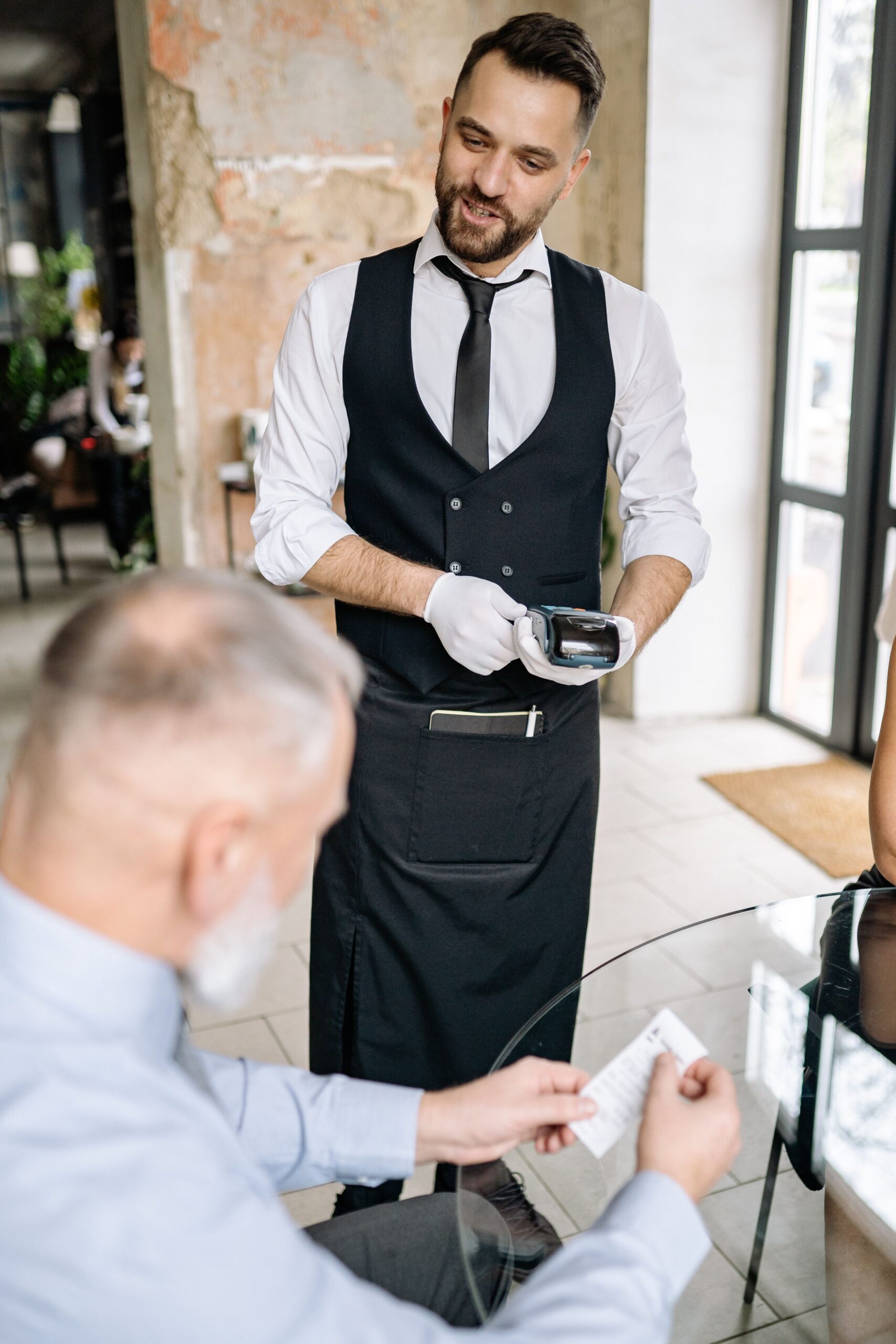
Whether gratuities are included can vary by provider and package. Check the inclusions and exclusions for your own booking instead of treating one online table as a rule for every tour. As one specific example, the public AN Tours Saigon Food Tour by Scooter, Vespa or Motorbike page lists “Gratuities, personal expenses” under Excluded. That means gratuities are not included in that listed tour price; it does not make a tip compulsory.
If the terms are unclear, ask before the trip: “Are gratuities included, and is any additional tip optional?” That gives you the information you need without guessing at a percentage or assuming that the guide and driver share a tip in a particular way.

Hotels, spas and everyday stops
Use the same check at a hotel or spa: review the receipt and the service or package terms, then decide whether you want to leave anything extra. Vietnam Tourism describes tipping as more common in some situations, including beauty salons, but does not prescribe a universal rate. At a café or restaurant, its guidance says an extra is not expected.
A simple way to decide
- Check the written price, inclusions and the final bill for an existing charge.
- Ask what an unclear charge covers rather than assuming it is a staff tip.
- If no gratuity is included, choose freely: leave an amount that feels appropriate for the service and your budget, or leave nothing.
- Do not rely on a universal percentage. Published travel guides give conflicting amounts, while the official visitor guidance sets no single rule.
The useful distinction is simple: a listed charge belongs to the transaction you agreed to pay; a personal tip is an additional choice. Check the specific terms, ask when they are unclear, and decide without pressure.


Content summary
Other blogOther blog
Related blogs

What to Eat in Hue — 10 Dishes Locals Actually Eat
Hue is Vietnam’s food capital and criminally underrated. Here are 10 dishes locals actually eat — where to find them and what they cost.

Where to Stay in Hoi An — Best Areas & Hotels for Every Budget
Old Town or the beach? Here’s the honest breakdown of every Hoi An neighborhood — what each one is like, who it suits, and real hotels at real prices.
10 Best Things to Do in Ben Tre — Coconut Canals, Sunset Birds & Real Mekong Life
Only 85km from Saigon, Ben Tre is the Mekong at its most authentic. Here are 10 things to do — coconut canals, warm candy, sunset storks and food worth the drive.