




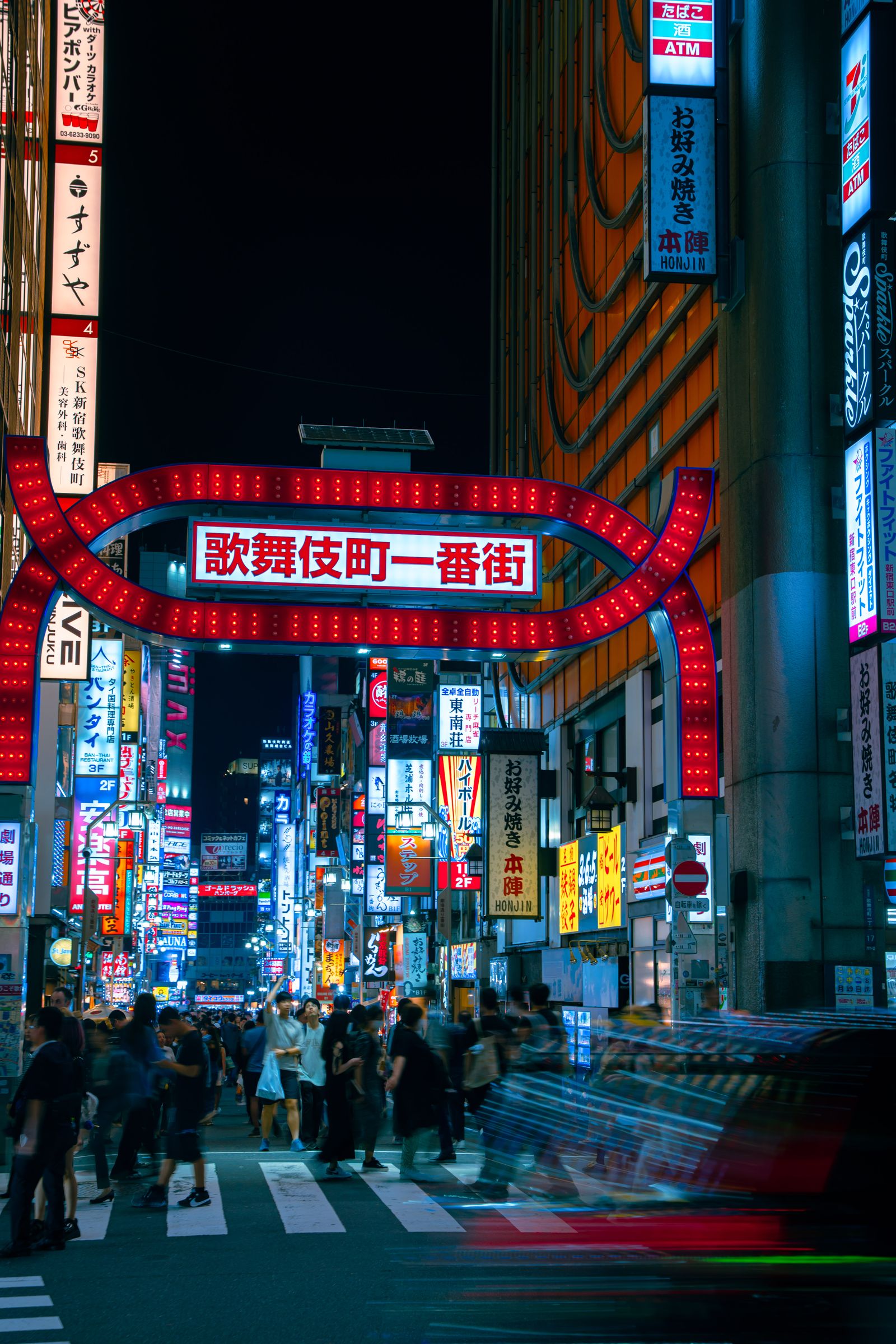


Tokyo Red Light District: Kabukicho and the Names People Confuse
Kabukicho is in Shinjuku; Shibuya and historic Yoshiwara are different places. Understand the names before choosing an evening out or a hotel.
The place most visitors mean by Tokyo red light district is Kabukicho, an entertainment neighbourhood within Shinjuku. Adult businesses are part of it, but so are restaurants, cinemas, karaoke and hotels. You can be interested in the streets without being interested in every business behind their signs.
The names become confusing when a search puts Kabukicho, Shinjuku, Shibuya and Yoshiwara together. They are not interchangeable. One is a neighbourhood within another; one is a separate nightlife centre; another belongs to a different part of Tokyo’s history. Sorting them out is more useful than treating the entire city as a single adult-entertainment zone.
Tokyo, Shinjuku and Kabukicho are different scales
Tokyo is the citywide search. Shinjuku is the much wider urban area around a major transport hub, with shopping, offices, accommodation and entertainment. Kabukicho is the particular neighbourhood on the entertainment side of Shinjuku. A hotel advertised as being “in Shinjuku” is therefore not necessarily in Kabukicho.
The official Tokyo tourism guide to Shinjuku makes the larger geography clear: skyscrapers lie west of the station, while shopping, dining and entertainment occupy the east side. Kabukicho belongs in that wider picture, not in place of it. Use the hotel or venue’s exact address when planning a visit; the station name alone covers too much ground.
For a public-street visit, the appeal is the concentration of illuminated signs and activity. It is not a promise that every door leads to a normal drinks bar, that every venue welcomes walk-ins, or that a prominent building operates the same way as its neighbours. Pick any indoor stop separately.
Yoshiwara is a different historical reference
Yoshiwara is not another name for Kabukicho. The Taito City traditional-crafts centre describes how the Yoshiwara pleasure quarter moved from near Nihonbashi to Asakusa after the Great Fire of Meireki in 1657. That history explains why the name appears in accounts of Edo, the city that became Tokyo.
It does not make all of modern Asakusa a red-light district, nor turn a historical map into a current nightlife itinerary. If your interest is Edo history, begin with the historical place and period you want to understand. If your plan is an evening among Shinjuku’s illuminated streets, Kabukicho is the relevant name. Do not head towards Asakusa expecting another entrance to the same neighbourhood.
An evening in Tokyo does not have to mean Kabukicho
Shibuya is a separate nightlife centre, not an extension of Kabukicho. The official Tokyo nightlife guide describes clubs and music lounges there, alongside the city’s many other evening options. Its distinction is useful if the real goal is music, a meal or a drink rather than visiting an area because of its red-light reputation.
- Shibuya: a choice for clubs and music lounges. Choose a venue by its programme, not just a photograph of the crossing.
- Roppongi: another nightlife base, with English-speaking bars and clubs highlighted by the tourism authority. That does not certify every business in the district.
- Koenji or Shimokitazawa: alternatives if independent music venues, smaller bars or a different neighbourhood setting matter more than the Kabukicho signs.
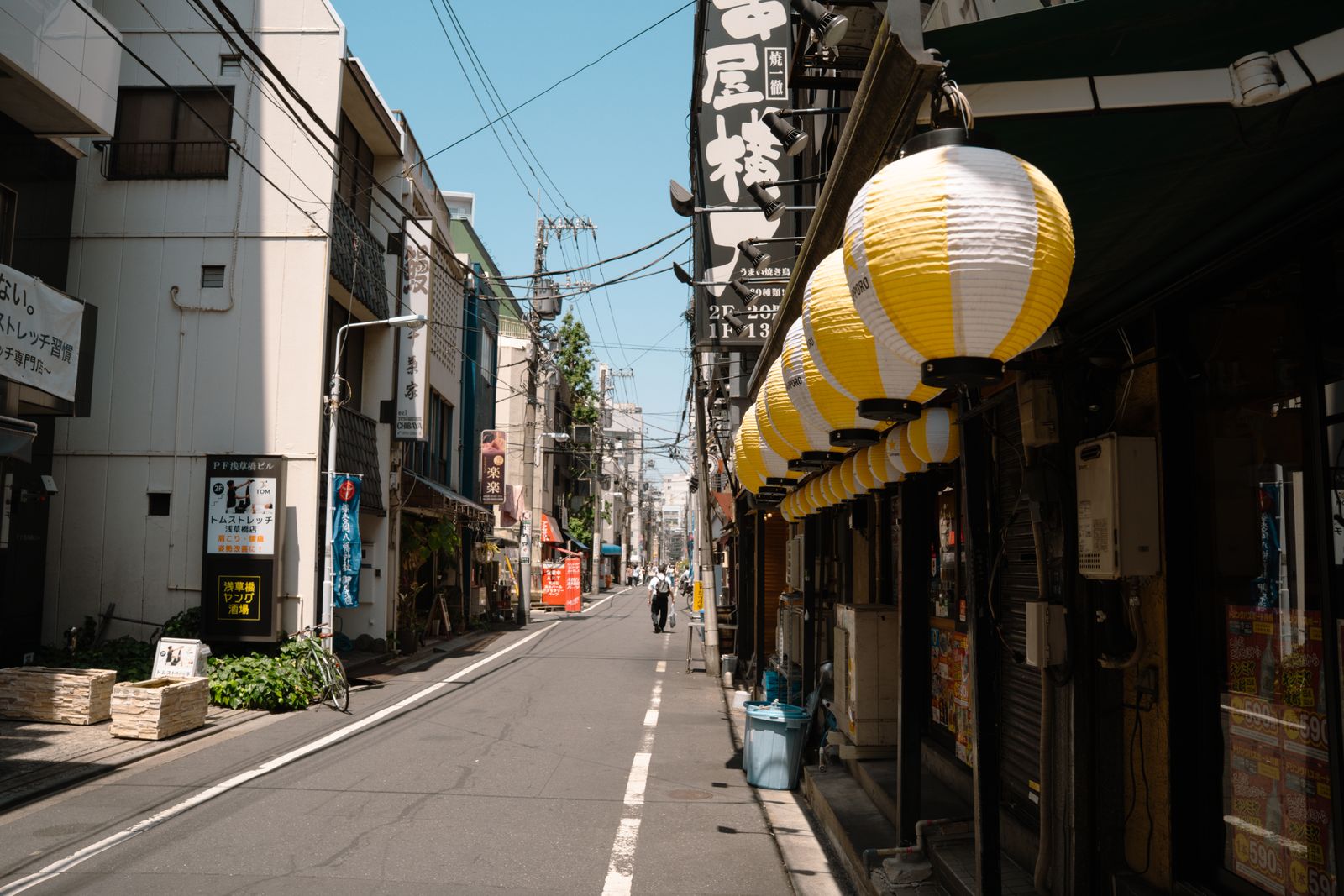
For a food-led evening, an izakaya is a Japanese eating-and-drinking place; a yokocho is an alley, not a category of adult venue. Tokyo’s tourism guide lists examples such as Omoide Yokocho in Shinjuku and Nonbei Yokocho in Shibuya. Look at the individual menu and entrance rather than assuming that lanterns, narrow lanes or late hours tell you what a business offers.
A street walk and a venue recommendation are different decisions
Tokyo Metropolitan Police’s entertainment-district advice, updated in February 2026, warns about tout-led rip-offs, drink-related incidents and credit-card misuse. It includes separate warnings for Shinjuku’s Kabukicho area and other districts, including Shibuya. Moving to another nightlife name is not a substitute for choosing a business carefully.
Do not follow a street tout to a recommended bar. The police also describe people being taken to overpriced venues by someone met through a dating app; an apparently personal invitation is not proof of an independent recommendation. Choose the place yourself, read its charges before ordering and leave if the terms are unclear. Keep your drink and payment card under your own attention.
These warnings are more useful than either “nothing happens in Tokyo” or “the whole district is dangerous.” They describe particular situations to avoid, not a reason to label every restaurant, hotel or person on a public street. Give people privacy when taking photographs, especially around business entrances.
Plan the way back, not just the way there
Shinjuku’s range of rail connections makes it a useful base, but an active nightlife area does not mean its trains run throughout the night. GO TOKYO describes public transport ending around midnight. Treat that as a broad warning, not your departure time: check the last usable connection all the way to your accommodation for your date.
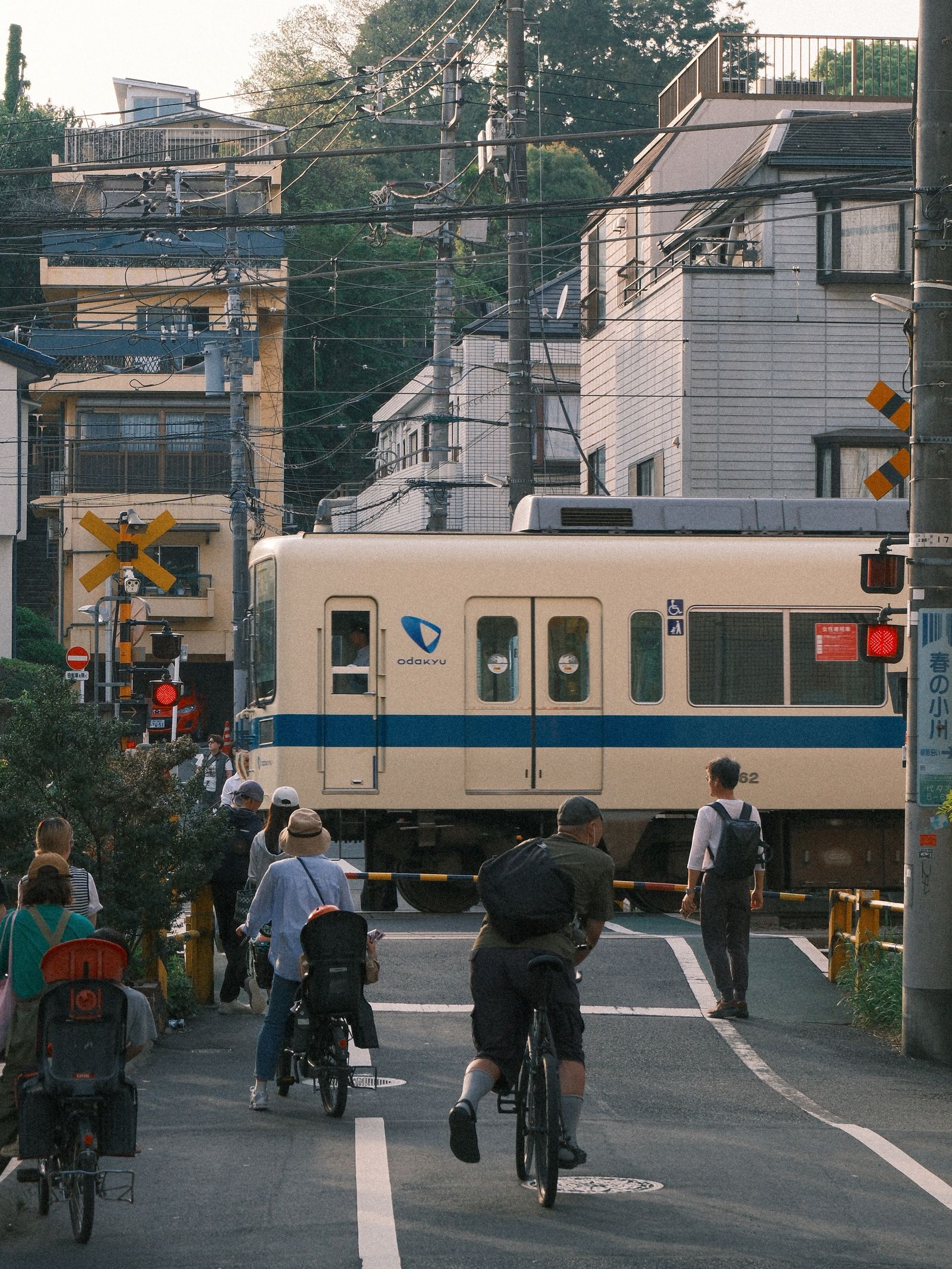
Before leaving the hotel, save its exact entrance and work out whether you will return by train, on foot or by taxi. If a journey needs a change of line, the last train from the first station may be too late for the second leg. A late-night plan needs a return journey that works, not just a station nearby.
For accommodation, separate the convenience of Shinjuku from the setting of a particular street. Check the approach to the hotel and recent room-specific noise comments. Staying elsewhere does not prevent a visit to Kabukicho; staying in Kabukicho does not oblige you to use its adult venues. Choose the neighbourhood for the evening you want and the room for the night you want to sleep.


Content summary
Other blogOther blog
Related blogs

What to Eat in Hue — 10 Dishes Locals Actually Eat
Hue is Vietnam’s food capital and criminally underrated. Here are 10 dishes locals actually eat — where to find them and what they cost.
Where to Stay in Hoi An — Best Areas & Hotels for Every Budget
Old Town or the beach? Here’s the honest breakdown of every Hoi An neighborhood — what each one is like, who it suits, and real hotels at real prices.
10 Best Things to Do in Ben Tre — Coconut Canals, Sunset Birds & Real Mekong Life
Only 85km from Saigon, Ben Tre is the Mekong at its most authentic. Here are 10 things to do — coconut canals, warm candy, sunset storks and food worth the drive.