







Vietnam eSIM vs Local SIM: What Travelers Need to Choose Before Landing
eSIM vs physical SIM is only the format. Check your device, data or local-call needs, plan validity and roaming terms before you buy.
The choice is not simply “eSIM or local SIM.” An eSIM is a digital way to install a mobile plan; a physical SIM is a removable card. What matters for your trip is what the plan actually provides: data, a Vietnamese number, ordinary calls or SMS, hotspot use, and when the plan starts.
If you only need maps, messaging apps and online bookings, a data plan may be enough. If you expect to call Vietnamese numbers or receive ordinary SMS, check for those features before paying. The word “eSIM” by itself does not answer that question.
The SIM format and the plan are separate choices
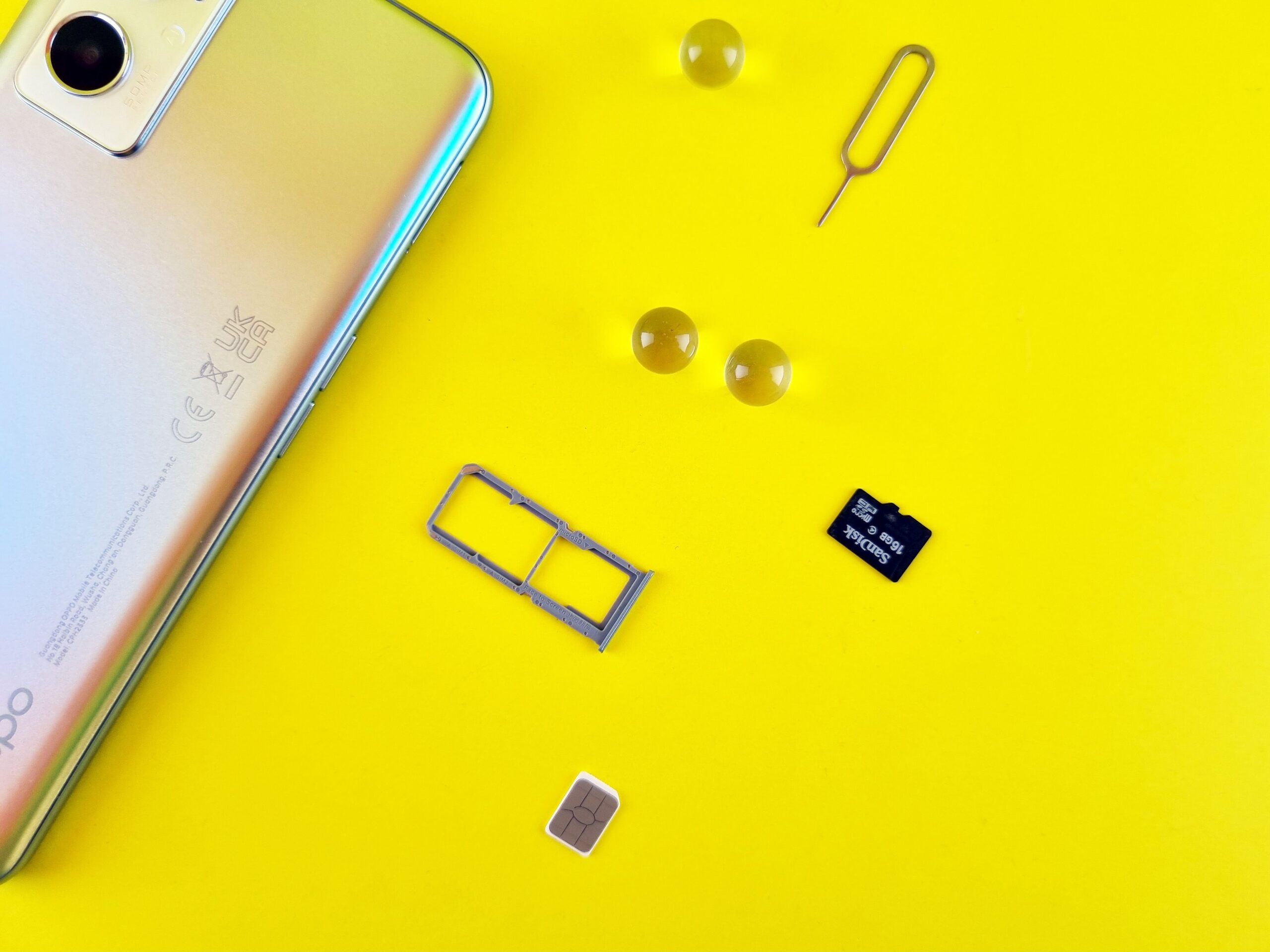
A physical SIM sits in your phone’s SIM tray. An eSIM is a digital SIM profile installed on a compatible device. The GSMA describes eSIM as a system for remotely provisioning a mobile profile. That changes how you add a line; it does not guarantee that the plan includes voice calls, text messages or a local phone number.
You can encounter data-only travel eSIMs, and you can also find local-carrier eSIM offers with different service bundles. A physical SIM’s features also depend on the plan attached to it. Compare the plan details, not just the packaging or the word “local.”
Choose by what you need the phone to do
For maps and internet-based messaging: a data-only plan can support online maps, email and app-based calls or messages, provided you have compatible coverage and enough data. It will not give you standard cellular calls or SMS unless the plan says those are included.
For calls or text messages to Vietnamese numbers: look for a plan that explicitly lists a local number and the relevant incoming or outgoing service. “Calls included” may have limits such as on-network minutes, while a phone number does not automatically mean every type of SMS or app verification will work. Check the exact plan terms.
If your phone does not support eSIM, or you prefer help at a counter: a physical SIM may be simpler. Ask the provider what documents and activation steps it requires. For example, Viettel’s tourist eSIM guidance lists an eSIM-compatible, unlocked device and a passport among its requirements; that is a provider-specific instruction, not a guarantee that every offer has identical conditions.
A local operator may also sell a tourist eSIM. MobiFone’s official international-travel page describes a data-focused free offer and separate packages that add local call minutes. Its activation method and validity terms are specific to that offer, so check the live page before relying on it for arrival connectivity.
Check compatibility before buying
- Confirm that your exact phone model and regional version support eSIM.
- Check that the phone is unlocked if you plan to use a different carrier. On an iPhone, Apple says “No SIM Restrictions” appears beside Carrier Lock when it is unlocked.
- Make sure the provider supports your device and the way you plan to activate the profile, such as a QR code or its own app.
- Keep access to stable Wi-Fi for setup if the provider requires an internet connection to install the plan.
Check the plan before installing it
Before you scan a QR code or activate a line, check these details on the exact plan page:
- Data: total allowance or daily allowance, any speed limit after the allowance, and whether hotspot use is permitted.
- Phone features: whether it includes a Vietnamese number, incoming calls, outgoing calls and SMS. These are separate plan details.
- Start time: validity may begin at purchase, installation, first connection to a local network or a separate activation step.
- Coverage: which mobile network or networks the plan uses and whether they fit the places on your route.
- Support and top-ups: whether you can add data later and how to get help if activation fails.
Do not install a plan early until you know its start rule. As checked on 18 October 2026, MobiFone’s official tourist-offer page tied its free 24-hour data allowance to an activation call after arrival. Other plans can follow different rules. Check the provider’s own instructions on the day you buy.
Set the data line without overlooking your home plan
Some compatible phones let you keep your home line active while using a travel eSIM for data. Apple advises checking the home carrier’s roaming terms: keeping both lines on can still lead to roaming charges on the home line. Select the intended line for mobile data and check data roaming settings for each line separately. Follow the travel eSIM provider’s instructions too, since some plans require roaming to be enabled on the travel line.
Turning off data roaming on your home line can help prevent that line from using roaming data, but it does not make every call or message free. Your home carrier’s plan controls those charges. If you need your regular number for messages, confirm the cost and settings with that carrier before departure.

If you are also deciding how to cover longer distances, see our guide to getting around Vietnam by train, bus, flight or private car. Mobile data can help you check your route as you move between destinations.
A practical choice before you leave
Choose an eSIM when your phone supports it, the plan’s data and activation terms fit your trip, and you want to install a line without swapping a card. Choose a physical SIM when your device needs one or you want in-person setup. For either format, decide whether you need only data or also ordinary local calls and SMS, then verify the exact plan.
For more reliable setup, install or activate only when the provider’s rules say to, keep the QR code and order details accessible, and confirm the correct data line after landing.
Sources checked


Content summary
Other blogOther blog
Related blogs

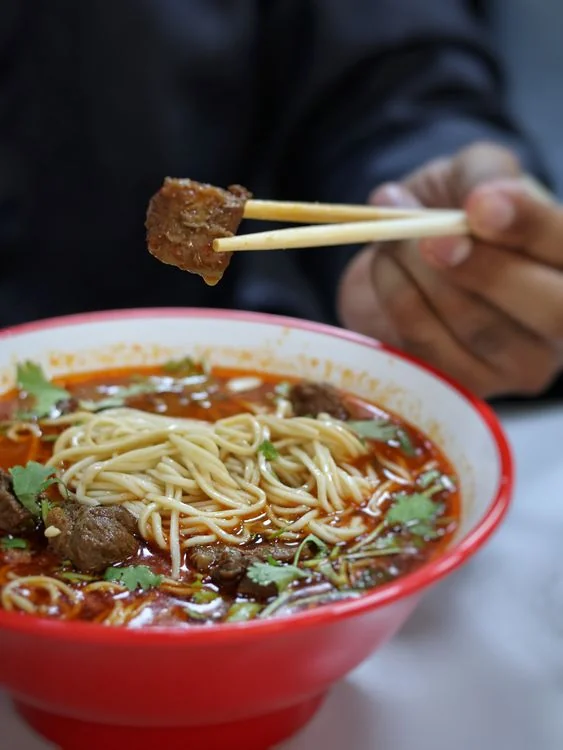
What to Eat in Hue — 10 Dishes Locals Actually Eat
Hue is Vietnam’s food capital and criminally underrated. Here are 10 dishes locals actually eat — where to find them and what they cost.
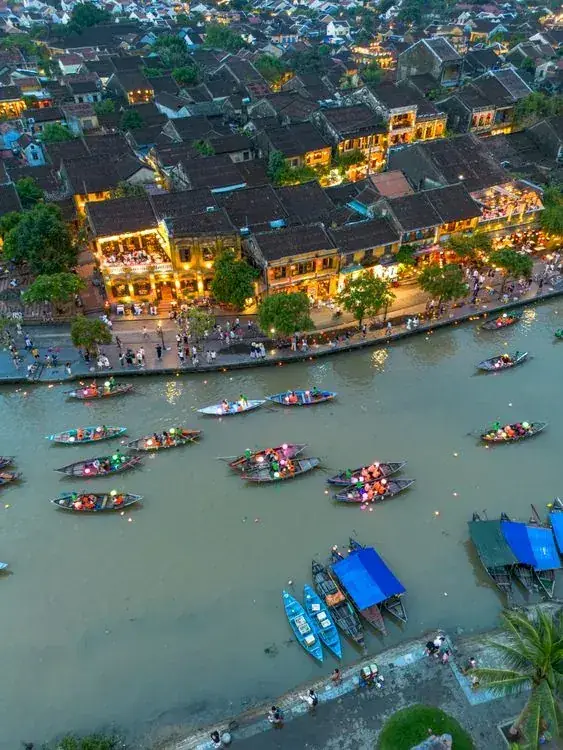
Where to Stay in Hoi An — Best Areas & Hotels for Every Budget
Old Town or the beach? Here’s the honest breakdown of every Hoi An neighborhood — what each one is like, who it suits, and real hotels at real prices.

10 Best Things to Do in Ben Tre — Coconut Canals, Sunset Birds & Real Mekong Life
Only 85km from Saigon, Ben Tre is the Mekong at its most authentic. Here are 10 things to do — coconut canals, warm candy, sunset storks and food worth the drive.