




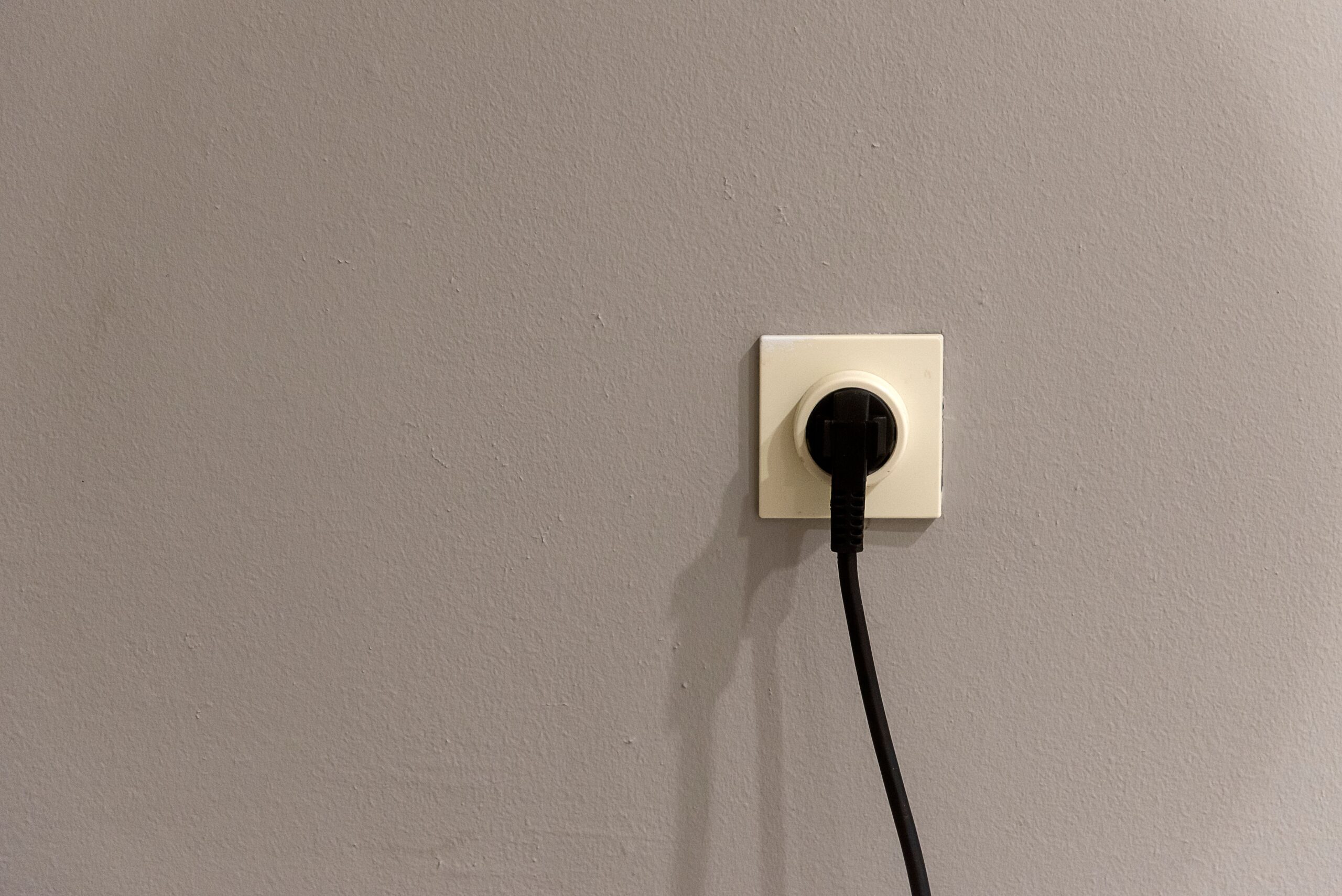


Vietnam Power Plugs: Do You Need an Adapter or a Converter?
Check each device’s INPUT label before packing. A plug adapter changes the fit; only a suitable converter or transformer changes voltage.
A plug adapter and a voltage converter solve different problems. An adapter lets a plug fit a socket; it does not change the electricity. Whether a device needs a converter depends on the voltage and frequency printed on its INPUT label.
The voltage figures differ
A Government of Vietnam page for a new Hanoi low-voltage connection labels the service 220/380V. World Standards lists Vietnam at 230V and 50Hz. These pages report different nominal figures; neither tells you the exact reading at the outlet in a particular room.
For the packing decision, use the range printed on the device. A charger marked 100–240V covers both figures above. A device marked only 110V or 120V does not, so do not plug it directly into either supply.
Read the INPUT label
| Marking on the device or power supply | What to do |
|---|---|
| 100–240V AC, 50/60Hz | The stated range covers both published voltage figures and 50Hz. Use a plug adapter only if the pins do not fit. |
| 220–240V, 50Hz | This range includes both published voltage figures. Use a plug adapter only if the pins do not fit. |
| 110/120V only, or a rating that excludes the cited supply | Do not plug it in directly. Check the manufacturer’s advice; use a correctly rated voltage transformer/converter only if the device supports it, or leave it at home. |
| The input range or frequency is missing or unclear | Check the device maker’s specifications before connecting it. A plug adapter cannot resolve an unknown voltage or frequency requirement. |
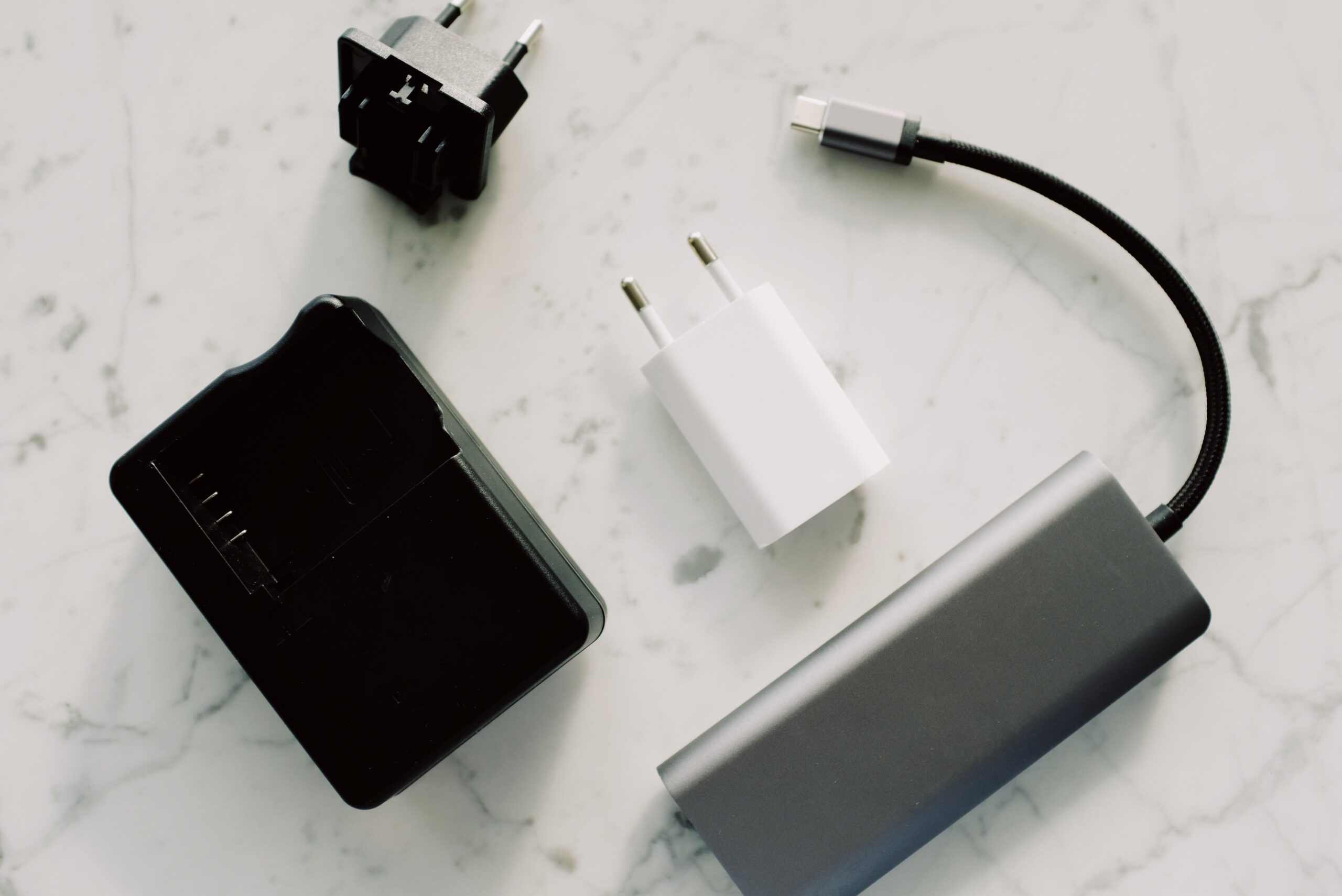
The mark may be on a charger rather than the phone or laptop itself. Apple, for example, lists its USB power adapters as accepting 100–240V AC at 50–60Hz. That is an Apple-adapter specification, not a guarantee about every charger or appliance; read the label on the unit you will bring.
Match the plug shape separately
Vietnam outlet references describe more than one plug configuration, and some list hybrid sockets. A country-level list cannot guarantee which outlet is fitted in your room. If your pins do not fit, use an adapter designed for that plug shape. Do not force a plug into a socket or use one that is cracked or loose.
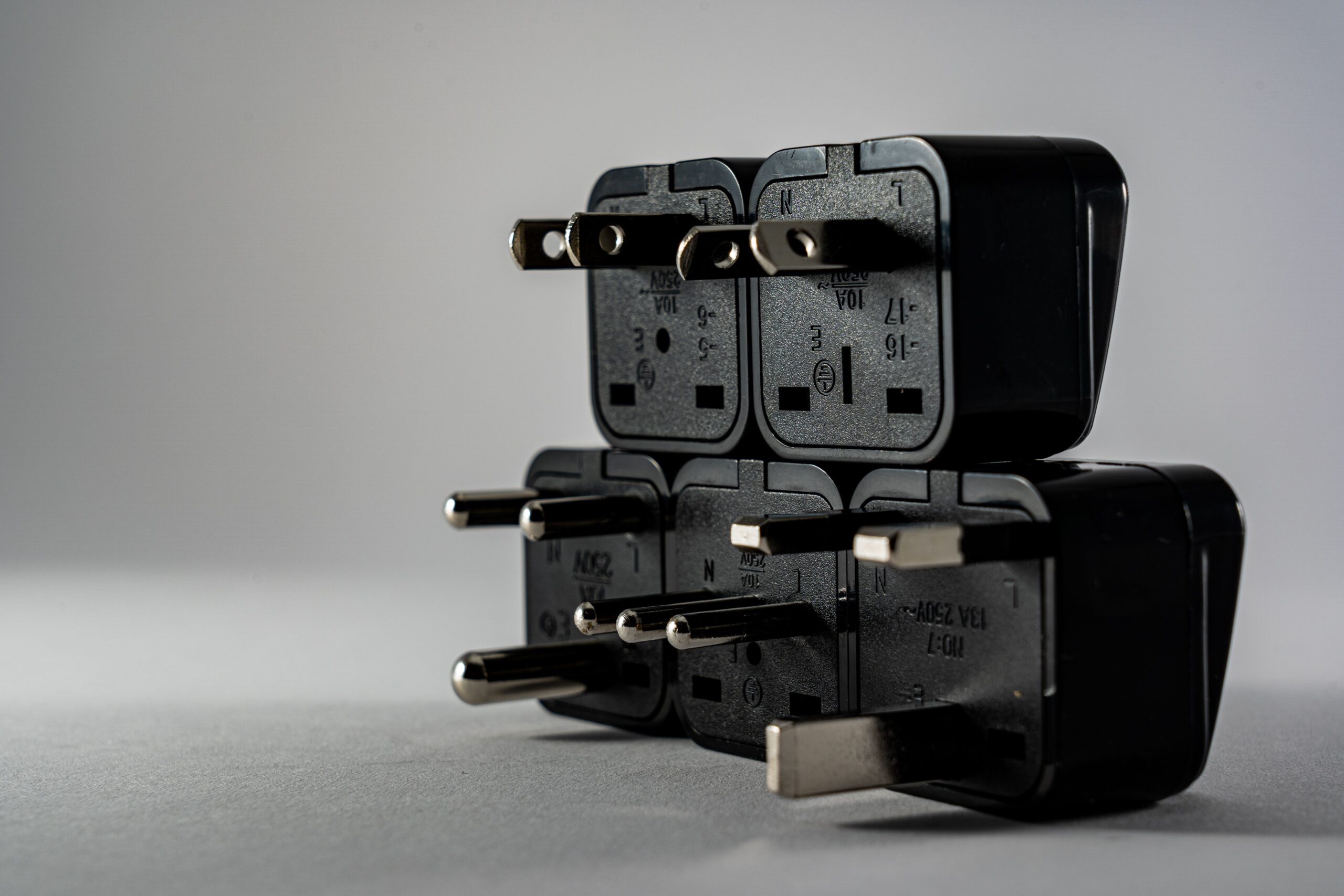
Check grounding as well as fit. Electrical Safety First warns that some travel adaptors do not provide an earth connection and should only be used with double-insulated equipment. If an appliance requires earth, use an adapter that preserves that connection and follow the appliance maker’s instructions. A plug that physically fits is not proof that the connection is grounded.
Before you connect a device
- Check the voltage and frequency marked on the device’s INPUT label or power supply.
- Choose a plug adapter only if the physical pins do not fit; it does not convert voltage or frequency.
- For a single-voltage appliance, confirm a suitable converter/transformer and its power rating with the manufacturer. Otherwise, leave the appliance unplugged.
- Do not use a damaged socket or force an adapter into it.
If you are planning the rest of your Vietnam trip, contact AN Tours for travel itinerary advice and other travel questions.
Sources checked


Content summary
Other blogOther blog
Related blogs

What to Eat in Hue — 10 Dishes Locals Actually Eat
Hue is Vietnam’s food capital and criminally underrated. Here are 10 dishes locals actually eat — where to find them and what they cost.

Where to Stay in Hoi An — Best Areas & Hotels for Every Budget
Old Town or the beach? Here’s the honest breakdown of every Hoi An neighborhood — what each one is like, who it suits, and real hotels at real prices.

10 Best Things to Do in Ben Tre — Coconut Canals, Sunset Birds & Real Mekong Life
Only 85km from Saigon, Ben Tre is the Mekong at its most authentic. Here are 10 things to do — coconut canals, warm candy, sunset storks and food worth the drive.