






Ca Mau Cape Is Not Ca Mau City: Plan the Dat Mui Visit
GPS 0001 and the Ca Mau Cape visitor area are in Dat Mui, not the city center. See what official sources confirm—and what to verify before booking transport.
Ca Mau City and Ca Mau Cape are different stops. The Cape’s GPS 0001 marker and main visitor area are in Dat Mui, at the southern tip of the province—not beside the city-center hotels. If the marker is your reason for going, confirm the full trip to Dat Mui before booking a room or onward transport.
Official sources give a clear picture of what the destination is, but not a live public timetable from the city to the site. That means you should confirm the road or boat arrangement for your date rather than plan around an old fare or a guessed travel time.
First decide which ‘Ca Mau’ you mean
A search for Ca Mau can mean the provincial city, the wider biosphere reserve, Ca Mau Cape National Park, or the visitor area around Dat Mui. They are not interchangeable map pins. The provincial tourism portal places the national tourism area mainly in Dat Mui and lists the GPS 0001 marker and the end point of Ho Chi Minh Road among its landmarks.
The local Dat Mui authority also lists several distinct visitor places in the commune: the Dat Mui tourism area, Khai Long tourism area, GPS 0001, Ca Mau Cape National Park and Hon Khoai island group. Decide which one you want before asking a driver or operator to quote a trip; ‘take me to Ca Mau Cape’ may not identify the exact stop or boat route.
What the visitor area includes
The provincial portal describes a cultural-tourism park with the national coordinate marker, the Ho Chi Minh Road marker, a wave barrier and the ship-shaped Cape symbol. It also describes mangrove ecology, local food and community life. Those landmarks make the visit more than a single photo at a map pin, but they do not mean every part of the much larger national tourism area is open to independent visitors.
\nThe official Dat Mui tourism page reports that the area prepares visitor facilities and community experiences, including locally run activities. Treat seasonal event or holiday-preparation notices as date-specific: a past announcement does not confirm the same service is operating on your travel day.
A biosphere reserve is not one open attraction
UNESCO describes the Mui Ca Mau Biosphere Reserve as a large coastal landscape of wetlands, mangroves, peat-swamp forests and marine habitats. It includes protected core zones within Mui Ca Mau and U Minh Ha national parks. A biosphere-reserve label describes a wider conservation and community area; it is not a promise that every forest, island or protected zone can be entered by visitors.
\n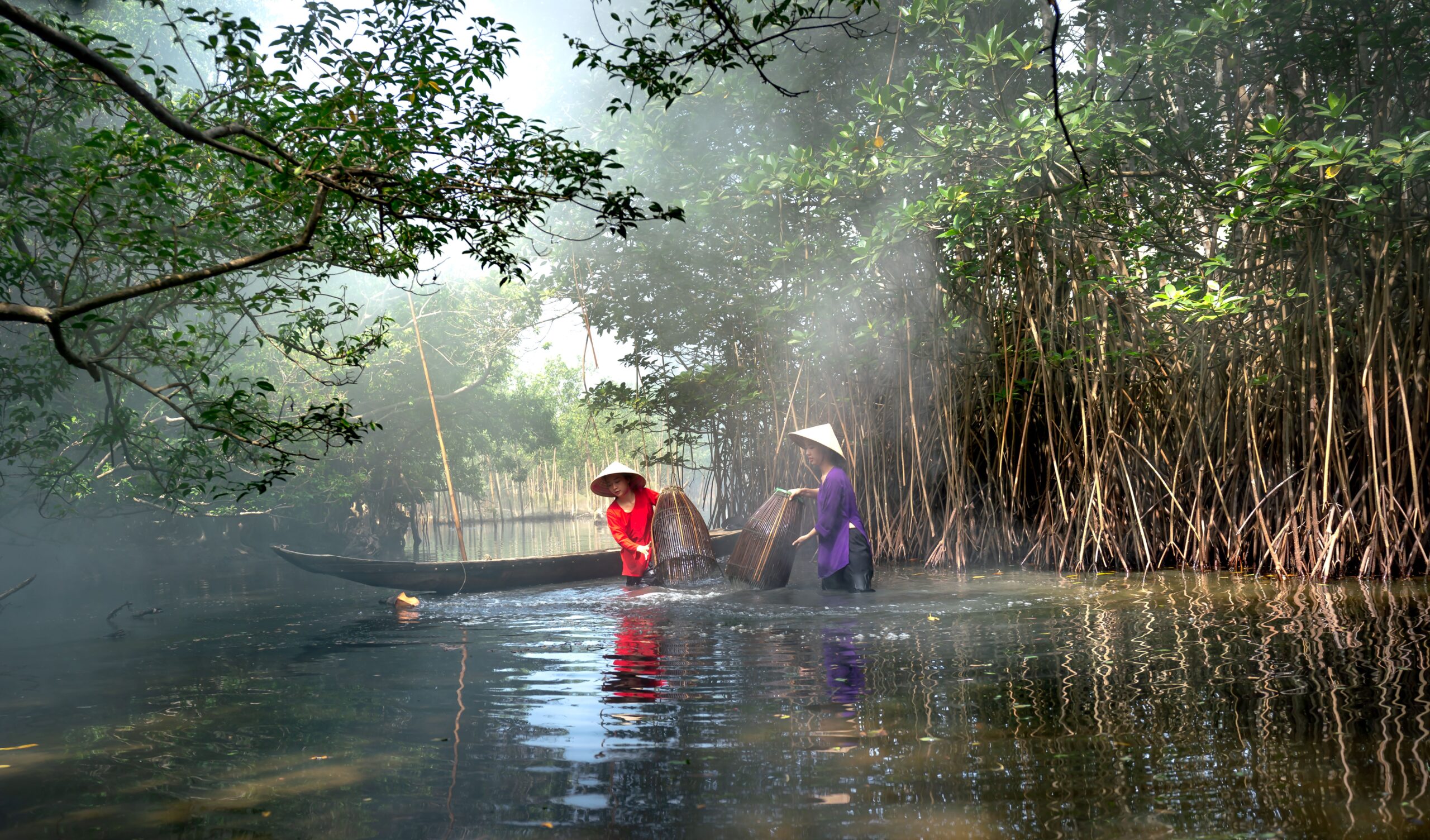
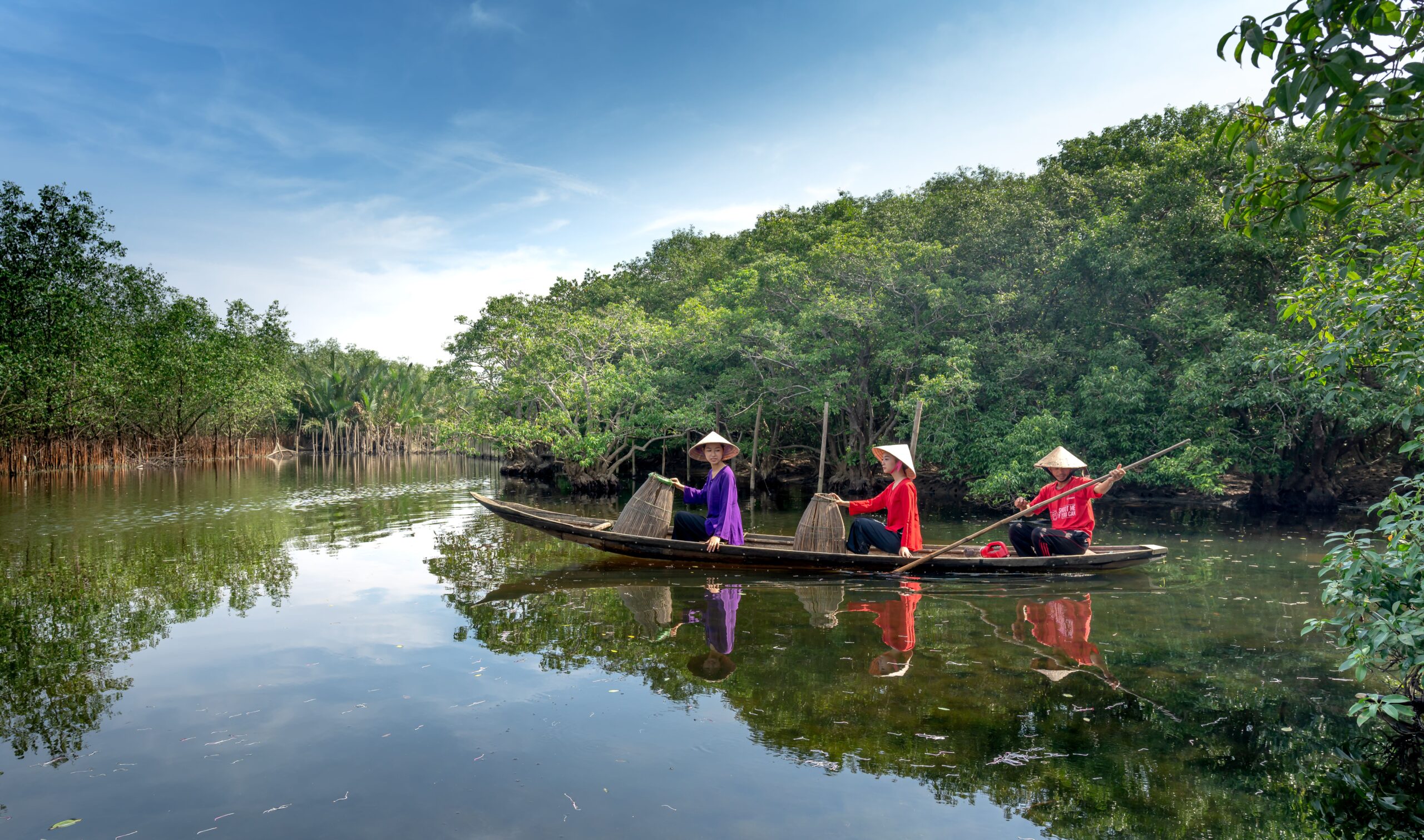
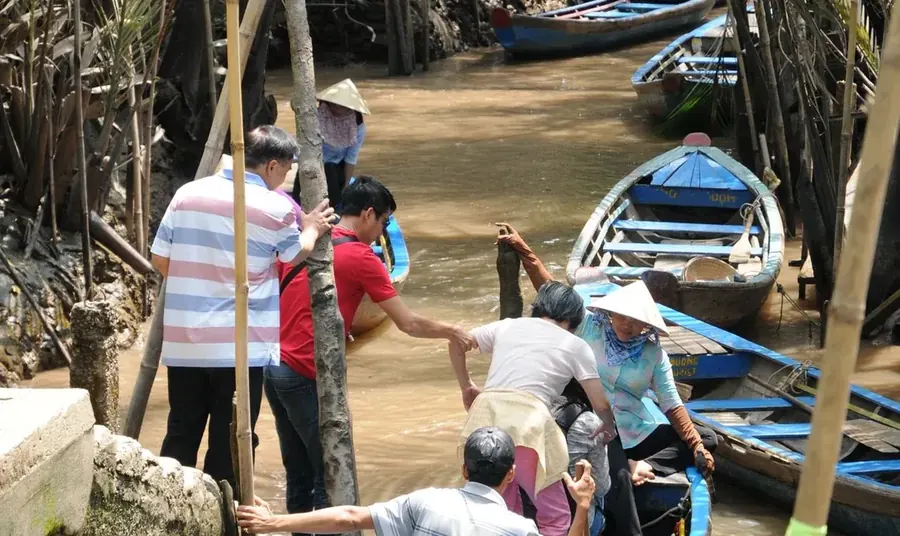
For a short visit, keep the plan to places the local tourism manager confirms are open and accessible. If you want a forest boat trip, ask which operator and launch point serve that route, what is included, and whether weather or water conditions change the plan. Do not assume a boat shown in a general Mekong photo is the service available at this site.
Confirm the last leg before you reserve
The official pages reviewed describe attractions and visitor facilities, but do not publish a current bus or boat timetable from Ca Mau City to the GPS marker. Before paying, ask for the exact pickup and drop-off points, total door-to-door time on your date, return arrangements, and whether the quote includes any site or boat fees. If the answer is only ‘Ca Mau’, ask which Ca Mau location they mean.
\n
- Is the destination the GPS 0001 marker, the tourism park, a national-park boat route, Khai Long, or another Dat Mui stop?
- Does the trip return to Ca Mau City the same day, or finish in Dat Mui? Confirm the return point and latest departure directly.
- Which boat or forest activities are included, and which need separate tickets or advance arrangements?
- Are the stated services operating on your date, especially around public holidays or in poor weather?
If the exact route cannot be confirmed, leave room to change the plan rather than connecting it to a tight onward departure. A broad online estimate is not a substitute for a dated booking confirmation from the transport provider.
Sources
Ca Mau Province’s portal: Mui Ca Mau National Tourism Area


Content summary
Other blogOther blog
Related blogs

What to Eat in Hue — 10 Dishes Locals Actually Eat
Hue is Vietnam’s food capital and criminally underrated. Here are 10 dishes locals actually eat — where to find them and what they cost.
Where to Stay in Hoi An — Best Areas & Hotels for Every Budget
Old Town or the beach? Here’s the honest breakdown of every Hoi An neighborhood — what each one is like, who it suits, and real hotels at real prices.
10 Best Things to Do in Ben Tre — Coconut Canals, Sunset Birds & Real Mekong Life
Only 85km from Saigon, Ben Tre is the Mekong at its most authentic. Here are 10 things to do — coconut canals, warm candy, sunset storks and food worth the drive.