






What to Eat in Hoi An — 10 Local Dishes You Can’t Miss
Wondering what to eat in Hoi An? Here’s the honest guide — 10 local dishes, where to find them, prices in VND, and tips from someone who’s been back four times.
Hoi An is one of those places where you can eat your way through the day and still not scratch the surface. Cao lầu here tastes different than anywhere else in Vietnam — something about the water, the locals say. The bánh mì? Some people argue it’s better than Saigon’s.
I’ve been to Hoi An four times now, and every trip I discover something new. A stall I walked past three times. A dish I’d never heard of. That’s the thing about this town — the food scene is deep, and most of it happens on plastic stools, not in restaurants.
Here are 10 dishes you shouldn’t miss, and where to find them.
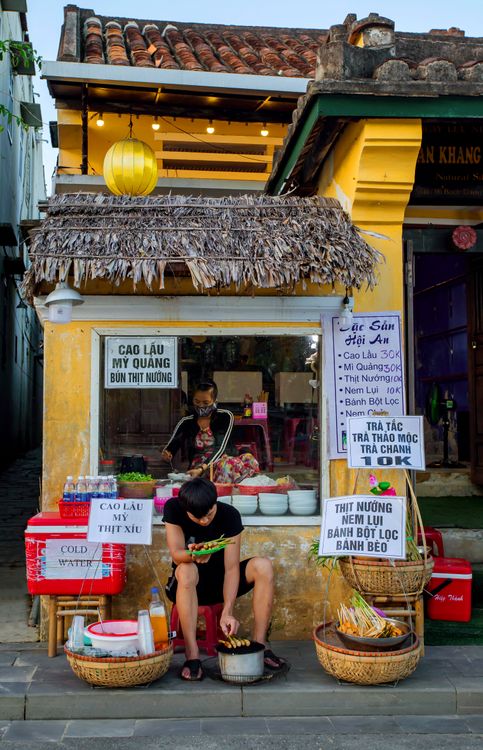
Cao Lầu — Hoi An’s Signature Noodle Dish
Thick rice noodles, slices of BBQ pork, fresh greens, and a handful of crispy croutons. The noodles are chewy, almost al dente, and the broth is dark and concentrated — nothing like the clear broths you get in the north.
What makes cao lầu special is that the noodles are made with water from the ancient Cham wells in Hoi An. Or so the story goes. Either way, you won’t find cao lầu this good anywhere else.
Where to try: Bá Lễ (49/3 Phan Chu Trinh) or Cao Lầu Bích (110 Nguyễn Trãi)
Price: 25,000 – 40,000 VND
Tip: Add a squeeze of lime and fresh chili. Don’t drown it in sriracha — the broth is the point.
Mì Quảng — Turmeric Noodles That Punch Above Their Weight
Wide rice noodles stained yellow with turmeric, topped with shrimp, pork, peanuts, and crushed sesame rice crackers. The broth is minimal — just enough to coat the noodles, not swim in them. It’s more of a salad-noodle hybrid than a soup.
Mì Quảng originated in Quảng Nam province (Hoi An’s region), so this is as local as it gets.
Where to try: Mì Quảng Bà Mua (15 Trần Quý Cáp) or Mì Quảng Bích (110 Nguyễn Trãi)
Price: 25,000 – 50,000 VND
Tip: Mix everything together before eating. The sesame crackers should stay crunchy — don’t let them sit too long.
Bánh Mì — Yes, It Deserves Its Own Category
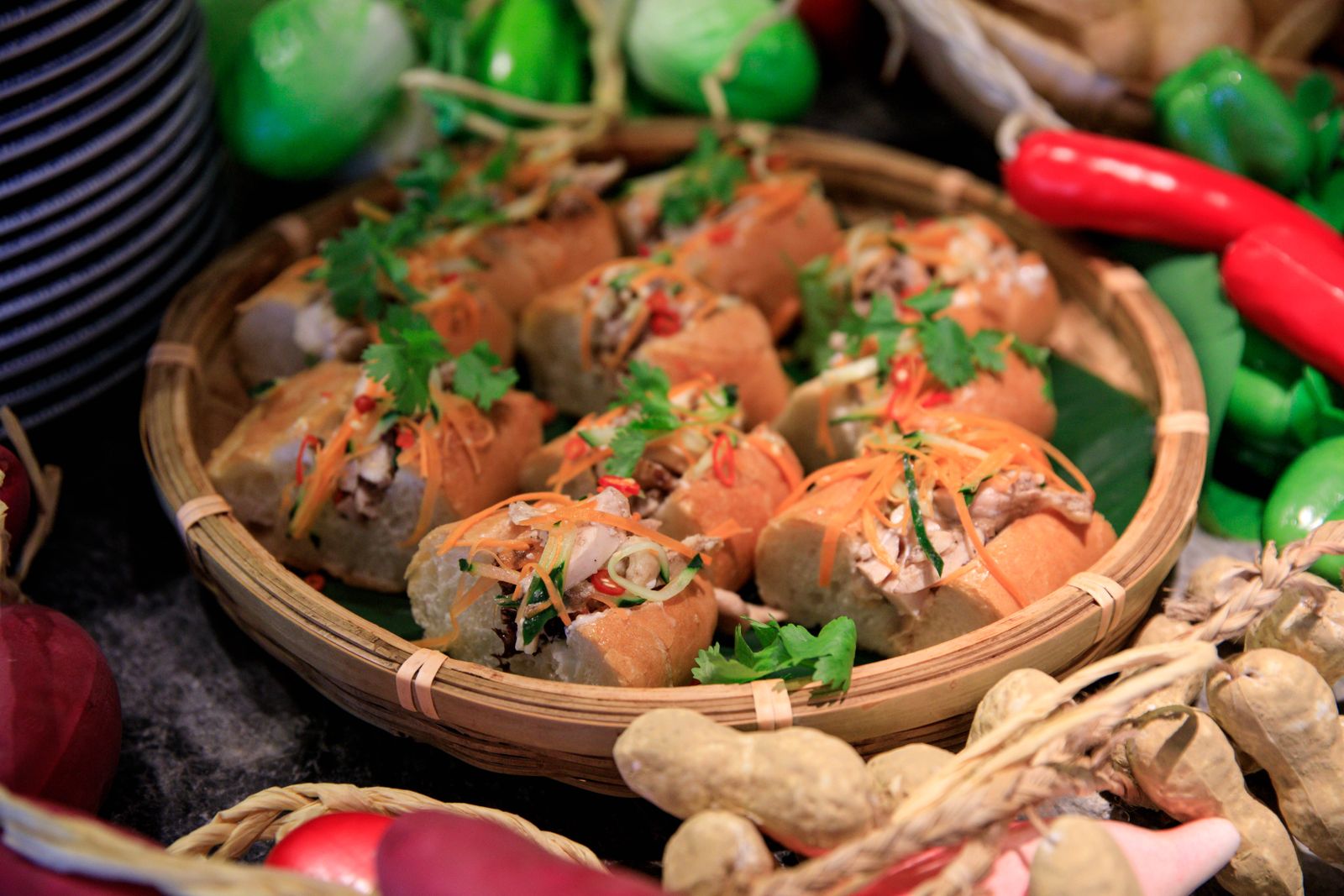
Hoi An has two famous names: Bánh Mì Phượng and Madam Khanh (aka Bánh Mì Queen). Phượng got famous after Anthony Bourdain showed up with Barack Obama. Khanh has been around since the 80s. Both are excellent, and locals have strong opinions about which is better.
The Hoi An style is different from Saigon’s — the bread is lighter, the fillings are simpler, and they use a specific local pâté you won’t find elsewhere.
Where to try: Bánh Mì Phượng (2B Phan Chu Trinh) or Madam Khanh (115 Trần Cao Vân)
Price: 15,000 – 40,000 VND
Tip: Go to Phượng for the experience and the BBQ pork version. Go to Khanh for the classic. Or do what I did — eat both in one afternoon.
White Rose Dumplings (Bánh Bao Bánh Vạc) — Hoi An’s Delicate Specialty
Translucent white dumplings shaped like rosebuds, filled with minced shrimp or pork, and served with crispy fried shallots on top. They’re steamed, delicate, and nothing like the heavier dumplings you get in Chinese cuisine.
White Rose is made by a single family in Hoi An who’s been making it for generations. Most restaurants source from them. The recipe is technically a secret.
Where to try: White Rose Restaurant (533 Hai Bà Trưng) or Morning Glory (106 Nguyễn Thái Học)
Price: 40,000 – 80,000 VND per plate
Tip: Dip in the nước chấm (fish sauce dip) that comes with it — the salty-sweet balance is the whole point.
Cơm Gà Hội An — Chicken Rice, Hoi An Style
Shredded chicken on turmeric-stained rice, with shredded papaya, fresh herbs, and a side of chicken broth. It’s not the same as Hainanese chicken rice — the rice here is dry and yellow from turmeric, not oily.
Every local has a favorite spot. The good ones sell out by early afternoon.
Where to try: Cơm Gà Bà Bảy (21 Phan Chu Trinh) or Cơm Gà Hội An (35 Trần Hưng Đạo)
Price: 25,000 – 40,000 VND
Tip: Go for lunch. By 2pm most places are either sold out or serving the dregs.
Bánh Xèo — Crispy Crepe That Sizzles
A crispy, golden crepe filled with shrimp, pork, and bean sprouts. The name means ‘sizzling cake’ — named after the sound it makes when the batter hits the hot pan. You wrap pieces in lettuce and herbs, then dip in nước chấm.
Hoi An’s bánh xèo is smaller and crunchier than the Central Vietnam standard. Some places also do bánh khọt (mini savory pancakes) which are worth trying side by side.
Where to try: Bánh Xèo Cô Hồng (82 Bạch Đằng) or morning market stalls on Trần Quốc Toản
Price: 20,000 – 50,000 VND
Tip: Don’t be shy with the herbs — the mint, perilla, and lettuce are part of the dish, not garnish.
Hến — Tiny Clams, Big Flavor
Small clams harvested from the Thu Bồn River, stir-fried with turmeric, chili, and herbs, served over rice crackers or rice. It’s a forager’s dish — born from the local habit of scooping clams from the riverbanks.
You’ll mostly see it as cơm hến (clam rice) or hến xào (stir-fried clams). Simple, earthy, and completely different from the seafood you get on the coast.
Where to try: Quán Hến Giấm (street stalls along Bạch Đằng) or Thu Bồn River morning market
Price: 15,000 – 35,000 VND
Tip: Go early — stalls sell out by late morning, and you want them freshly dredged.
Bánh Bèo — Steamed Rice Cakes That Disappear Fast
Tiny, saucer-sized steamed rice cakes topped with minced shrimp, scallions, and crispy pork skin. You eat them in one or two bites. The texture is silky, almost like a rice pudding that somehow holds its shape.
Bánh bèo is originally from Huế, but Hoi An does a version with more topping and less sweetness in the dipping sauce.
Where to try: Morning market (Bà Lê market, Nguyễn Thái Học area) or Bánh Bèo Bà Đỡ
Price: 10,000 – 25,000 VND per plate
Tip: Use the spoon, not chopsticks — the cakes are too delicate. And pour the nước chấm over, not on the side.
Chè — Sweet Soup to End the Day
Hoi An’s version of chè is particularly good — they have a local specialty called chè bắp (corn sweet soup) made with sticky rice, coconut milk, and fresh corn kernels. It’s served warm or cold, and it’s not too sweet.
Walk through the night market after dinner and you’ll see a dozen chè stalls. Each one has a slightly different take.
Where to try: Chè Hè Quán (night market on Nguyễn Hoàng) or Chè Mỹ (along Bạch Đằng street)
Price: 10,000 – 25,000 VND
Tip: Get the chè bắp (corn) — it’s the local specialty. If they have sương sáo (grass jelly), grab that too.
Bánh Tráng Cuốn Thịt Heo — DIY Rice Paper Rolls
Boiled pork belly sliced thin, served with rice paper, fresh herbs, green banana, starfruit, and a fermented shrimp paste (mắm nêm) that you either love or run from. You DIY the rolls at the table.
This is more of a group dish, but some stalls serve single portions. It’s a classic Central Vietnam meal, and Hoi An does it right.
Where to try: Quán Mậu (42 Phan Chu Trinh) or Bà Mưa (street stall near Chùa Cầu)
Price: 50,000 – 100,000 VND
Tip: The mắm nêm is strong. Taste a tiny drop first. If it’s too much, use regular fish sauce. The green banana slices are not optional.
Before You Go
- Cash. Most street stalls don’t take cards, and the ones that do charge a fee. Bring small bills — 10,000 and 20,000 VND notes are gold.
- Timing. Breakfast and lunch are when the best stalls are open. Dinner is more restaurant-focused. The night market is for chè and grilled skewers, not the classic dishes.
- Hygiene. The street stalls with long queues are usually the safest bet. High turnover = fresh ingredients. If there’s no queue and raw ingredients sitting out, walk past.
- Language. Menu boards are mostly in Vietnamese with pictures. Pointing works fine. If you say “ngon quá” after eating, you’ll make their day.
- Water. Stick to bottled water for drinking. The ice at reputable stalls is factory-made and safe.
FAQs — What Travelers Are Actually Asking
Is Hoi An street food safe for tourists? Yes. Street food in Hoi An is generally very safe. The high tourist turnover means ingredients are fresh. If locals are eating there, you’re fine.
How many days do you need in Hoi An for food? Three days minimum. Two days if you eat aggressively. One day is not enough — you’ll spend half of it figuring out where things are.
What’s the spiciest dish in Hoi An? Mì Quảng can be surprisingly spicy if the stall owner uses fresh chili. Bún bò Huế (which you can find in Hoi An) is spicier, but it’s technically a Hue dish.
Are there vegetarian options? Yes. Hoi An has a strong Buddhist influence, so many stalls offer chay (vegetarian) versions. Look for stalls with yellow signs or ask for “chay”.
What’s the best time for a food tour in Hoi An? Morning (7-10am) for the full market experience. The afternoon is quiet — many stalls close between 2-4pm.
The Short Version
Hoi An has one of the best street food scenes in Vietnam. Period. The dishes here — cao lầu, mì quảng, bánh mì, white rose — are unique to the region and worth building a trip around.
If you’re heading further north to Hue, check out MIA Hue Tours for the best local food experiences in the former imperial capital. And if you need help planning your Central Vietnam trip — from airport transfers to guided food tours — get in touch. We’ve been doing this for years.
WhatsApp/Zalo: +84 70 6666 520


Content summary
Other blogOther blog
Related blogs

What to Eat in Hue — 10 Dishes Locals Actually Eat
Hue is Vietnam’s food capital and criminally underrated. Here are 10 dishes locals actually eat — where to find them and what they cost.
Where to Stay in Hoi An — Best Areas & Hotels for Every Budget
Old Town or the beach? Here’s the honest breakdown of every Hoi An neighborhood — what each one is like, who it suits, and real hotels at real prices.
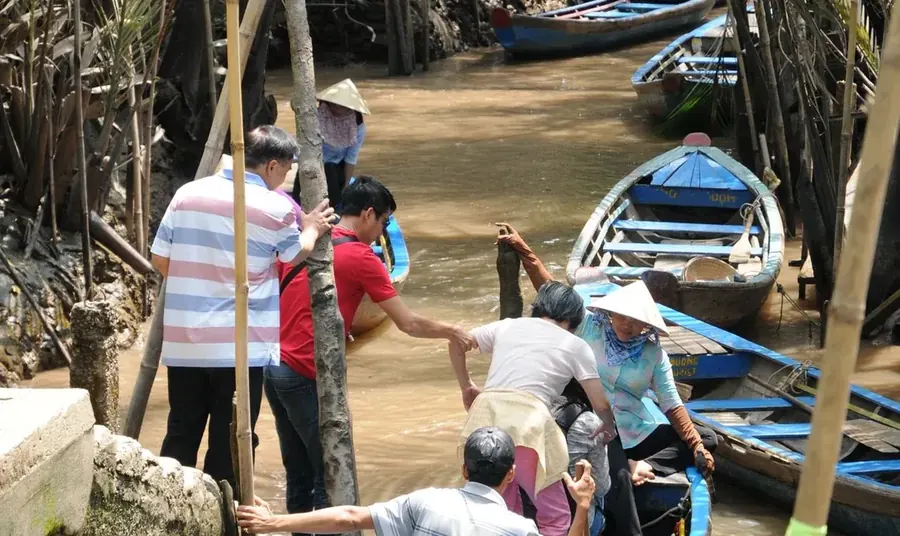
10 Best Things to Do in Ben Tre — Coconut Canals, Sunset Birds & Real Mekong Life
Only 85km from Saigon, Ben Tre is the Mekong at its most authentic. Here are 10 things to do — coconut canals, warm candy, sunset storks and food worth the drive.