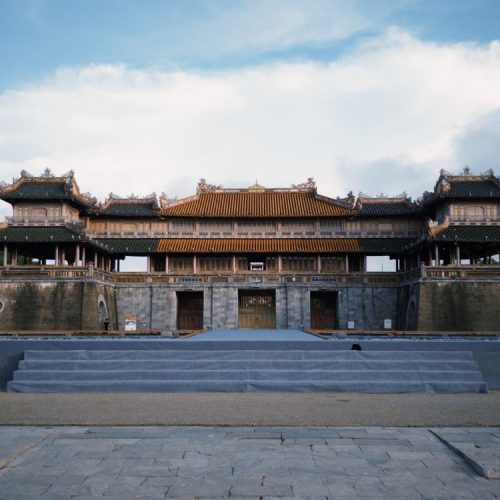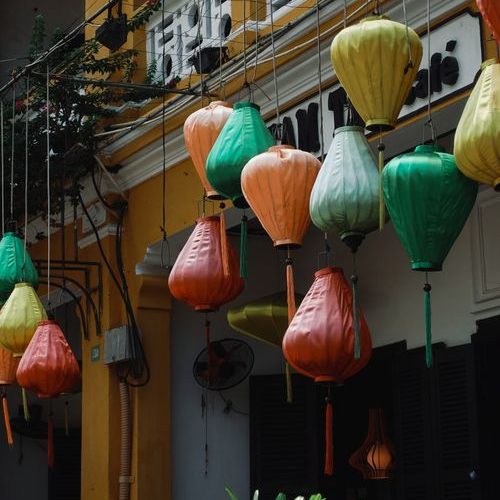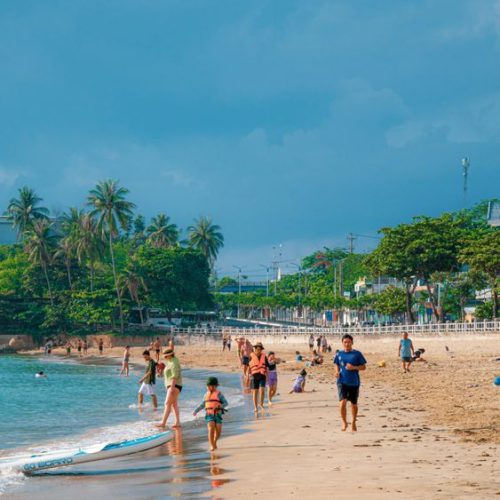
You know that feeling when a city just feels different from the moment you arrive? That’s Hue.
While Hanoi has the chaos and HCMC has the energy, Hue moves at its own pace. The old imperial capital sits quietly on the banks of the Perfume River, serving up some of the best food in the country and letting you walk through centuries of Vietnamese history without the crowds you’d expect.
Here’s what not to miss — eight things that make Hue worth the trip.
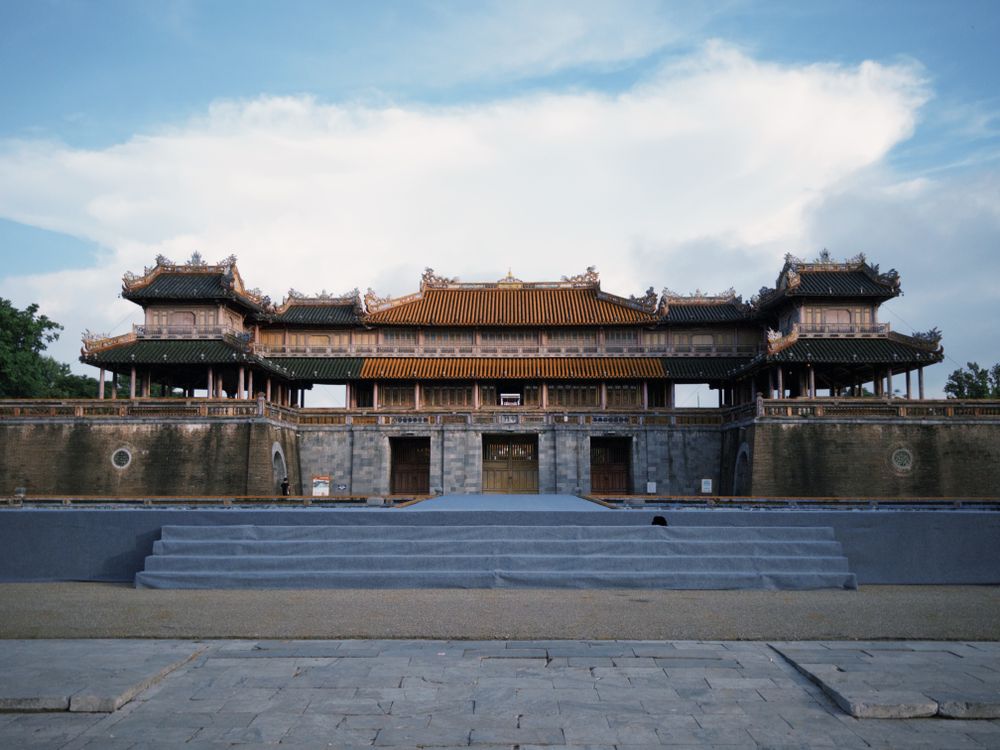
1. Hue Imperial City (The Citadel)
This is the big one. The UNESCO-listed Imperial City is a sprawling walled complex that was once the administrative and ceremonial center of the Nguyen Dynasty. Think palaces, temples, gardens, and the iconic Ngo Mon Gate — all set inside a massive moated citadel.
And it’s huge. You could easily spend 2-3 hours wandering through the courtyards and halls. The good news? It’s not nearly as crowded as similar sites in other Southeast Asian capitals. You’ll have plenty of space to yourself.
Where: Inside the Citadel, central Hue
Entrance: 200,000 VND per adult (~$8 USD)
Hours: 8:00 AM – 5:30 PM daily (ticket office closes at 5:00 PM)
Tip: Go early (8 AM) to beat the heat and the tour groups. The light is also better for photos.
2. The Royal Tombs — Pick Your Favorites
Hue’s royal tombs are scattered across the countryside south of the city, each one built by a different Nguyen emperor. They’re not really tombs in the Western sense — more like sprawling palace complexes where the emperors could relax even in the afterlife.
You won’t have time for all seven. Pick 2-3 based on what sounds interesting:
- Tu Duc Tomb (150,000 VND) — The most beautiful and poetic. Tu Duc designed it himself, complete with a lake and pavilion where he’d compose poetry.
- Khai Dinh Tomb (150,000 VND) — The weirdest and most striking. A bizarre blend of Vietnamese and European styles with insane mosaic work. Splits opinion — you’ll either love it or hate it.
- Minh Mang Tomb (150,000 VND) — The most balanced and traditional. Huge, ordered, and symmetrical. If you can only see one, this is the safest bet.
Pro tip: there’s a combo ticket (420,000 VND) that covers the Imperial City plus any two tombs. Valid for 2 days, so you can spread it out.
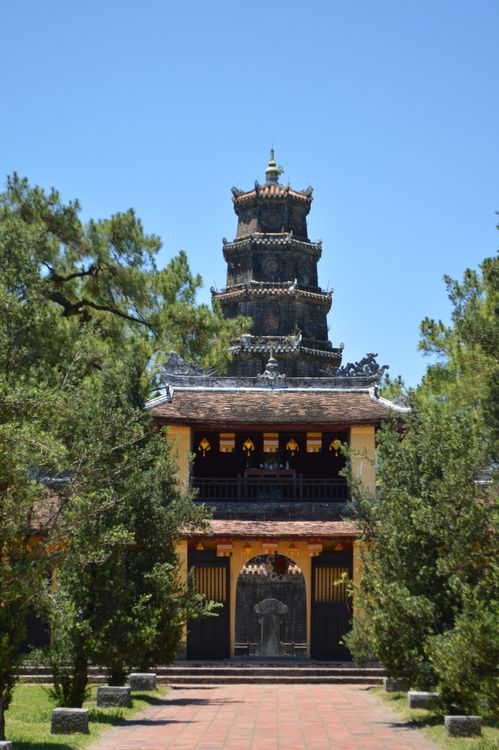
3. Thien Mu Pagoda
Hue’s most recognizable landmark, and it’s free. The seven-tiered pagoda sits right on the Perfume River, surrounded by gardens and ancient trees. It’s an active place of worship, so you’ll see monks going about their day — which honestly makes it feel more real than a museum.
The story goes that the site was chosen after a local prophecy said someone would build a temple there to bring peace to the land. A noblewoman (literally “Thien Mu” means “Heavenly Lady”) appeared and said exactly that. Whether you believe it or not, the pagoda has been here since 1601.
Where: On the north bank of the Perfume River, about 4 km from city center
Entrance: Free
Best time: Late afternoon — the light on the river is gorgeous and crowds thin out
4. Perfume River Dragon Boat Cruise
Yeah, it’s touristy. But so is every boat ride on every famous river in the world. Here’s the thing — a dragon boat cruise on the Perfume River is genuinely pleasant if you do it right.
Skip the crowded group tours and hire a private boat from the dock near the Trang Tien Bridge. You’ll float past the pagodas, under the bridges, and get a completely different perspective on the city. The best time is sunset, when the river turns golden and the temperature drops.
Price: Around 300,000 – 500,000 VND for a private boat (1-2 hours)
Best time: Sunset — around 5:00-5:30 PM
5. Dong Ba Market
Hue’s main market is loud, chaotic, and exactly what you want from a Vietnamese market. It’s been here since 1899 and covers everything from fresh produce and live seafood to souvenirs and motorbike parts.
But the real reason to go is the food section. Dong Ba has a massive covered area where locals come to eat — and this is where you’ll find some of the best versions of Hue’s famous dishes. Bun bo Hue (beef noodle soup), banh khoai (Hue-style crepe), and che (Vietnamese sweet soup) are all here, served on tiny plastic stools.
Where: Tran Hung Dao Street, near the Perfume River
Hours: 6:00 AM – 6:00 PM
Tip: Go hungry. The food section is in the center of the market. Point at what looks good.
6. Eat Hue’s Food (This is the Real Reason to Come)
Hue is the culinary capital of Vietnam, and I will fight anyone who argues otherwise. Over half of all Vietnamese dishes are said to have originated here — partly because the Nguyen emperors demanded a completely different meal every single day for years on end, and the chefs had to keep inventing.
You don’t need a fancy restaurant. Some of the best food comes from tiny street stalls:
- Bun bo Hue — The city’s signature dish. A rich, spicy beef noodle soup that’s completely different from pho. Deeper flavor, more kick, and it comes with chunks of beef shank and pig’s blood jelly.
- Banh khoai — A crispy turmeric crepe stuffed with shrimp, bean sprouts, and pork belly. Dip it in the thick peanut sauce.
- Banh beo — Tiny steamed rice cakes in ceramic saucers, topped with dried shrimp and scallion oil. You eat about 10 in one sitting without realizing it.
- Com hen — Rice with baby mussels, herbs, and crispy pork skin. A local breakfast staple.
For a full food tour, check out the stalls at O Le (dumpling heaven) or Huyen Anh (noodles and rolls). Bring cash.
7. Thuan An Beach
Central Vietnam has some fantastic beaches, and Thuan An is Hue’s closest one — about 15 km from the city center. It’s not as polished as Da Nang’s beaches, and that’s exactly the point.
You’ll find mostly local families here, not Instagram tourists. The water is clean, the seafood restaurants along the shore serve ridiculously fresh catch, and the vibe is completely low-key. Rent a chair, order a coconut, and watch fishing boats come in.
Getting there: 15 km from Hue center — rent a motorbike (150,000 VND/day) or take a Grab (~200,000 VND)
Best time: Early morning for sunrise or late afternoon to avoid the midday heat
Food: Seafood restaurants along the beach — pick the one with the most locals
8. Bach Ma National Park
About an hour from Hue, Bach Ma is a former French hill station that got turned into a national park. Think misty waterfalls, jungle trekking, and views that stretch all the way to the coast on a clear day.
The main attraction is the trek to Do Quyen Waterfall — a 300-meter cascade that’s at its most impressive during the rainy season (October-January). But even in June, the park is cool and green, and the Five Lakes trail offers swimming spots in emerald pools.
Entrance: 60,000 VND per adult
Getting there: ~40 km from Hue — motorbike or taxi
Best for: Hikers, nature lovers, anyone who wants a break from the city heat
What to Know Before You Go
- Getting there: Most people fly into Da Nang airport (DAD) and take the train or car to Hue (about 2.5 hours). The train ride over Hai Van Pass is one of the most scenic in Vietnam — don’t sleep through it.
- Getting around: Hue is very bikeable. Rent a bicycle (cheap) or motorbike (150,000 VND/day). Taxis and Grab are also easy.
- Best time to visit: March-August for the best weather. June is hot but clear — perfect for the beaches and tombs. September-November can get heavy rain.
- How long to stay: 2-3 days is enough to hit the main sites without rushing. Add a day if you want to do Bach Ma.
- Cash is king: Most markets, street food stalls, and small shops only take cash. ATMs are available in the city center.
FAQs — What Travelers Actually Ask About Hue
Is Hue worth visiting? Is it better than Da Nang or Hoi An?
Short answer: It depends. Hue has way more history and better food. Da Nang has better beaches and nightlife. Hoi An is prettier but way more touristy. Most travelers do all three — they’re only a couple hours apart.
How many days do you need in Hue?
Two days is the sweet spot. Day 1: Imperial City + tombs. Day 2: pagoda, market, and food tour. Add a third day if you want to visit Bach Ma National Park or hit the beach.
Can you do Hue as a day trip from Da Nang?
Technically yes — it’s about 2.5 hours each way by car or train. But you’ll spend most of the day traveling and rush through the main sites. Not recommended. Stay overnight.
Is Hue expensive?
Not at all. Street food bowls are 20,000-40,000 VND (~$1-1.50 USD). The main expenses are entrance fees (Imperial City 200,000 VND, tombs 150,000 VND each). A budget of 500,000-700,000 VND/day (~$20-30 USD) for food, entrance fees, and transport is comfortable.
The Short Version
Hue is Vietnam’s most underrated city. It has the history of the Imperial City and royal tombs, the food scene is genuinely world-class, and it doesn’t have the crowds you’ll find in Hanoi, HCMC, or Hoi An.
Three days is ideal. Go for the citadel, stay for the bun bo Hue. And if you’re already planning a trip to central Vietnam, make sure to check out our guide to the best destinations in Vietnam — and arrange your airport pickup from Da Nang with our Da Nang airport transfer service to start your trip stress-free.
Got questions about visiting Hue? Contact us on WhatsApp/Zalo at +84 70 6666 520 — we run tours across Vietnam and can help you plan your trip.