So you’re planning a Vietnam trip this summer and you’ve heard the horror stories. “It’s monsoon season.” “Everything floods.” “Don’t go in July.”
Here’s the thing — that advice is mostly wrong. Or at least, it’s incomplete. Vietnam is 1,600 kilometers long with three completely different climate zones. When it’s pouring in Hanoi, the beaches of Da Nang are sitting under blue skies. When Phu Quoc gets rough seas, Nha Trang is perfect for snorkeling.
I’ve been doing this for years — bringing groups through Vietnam in every season — and summer is honestly one of the best times if you know where to go. Here’s the breakdown.
Central Vietnam — The Summer Sweet Spot
June through August is central Vietnam at its best. Da Nang, Hoi An, Hue, Nha Trang — they’re all in their dry season while the rest of the country swims.
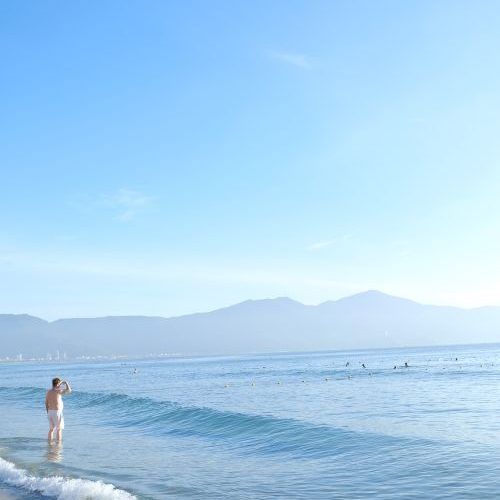
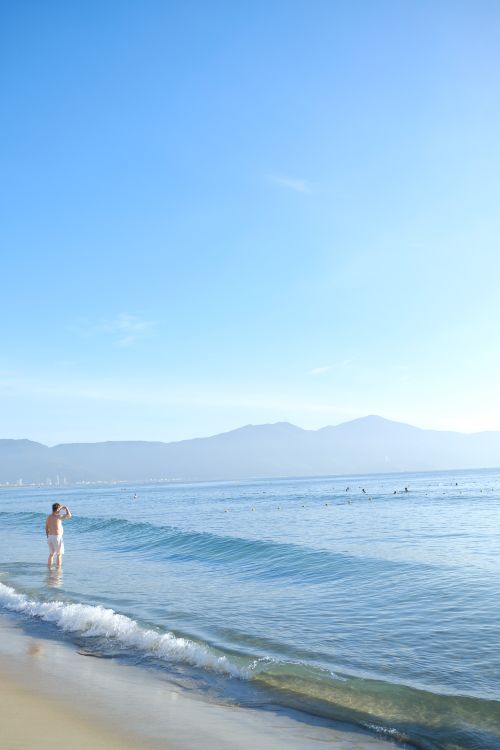
Think 28–35°C, clear skies, calm seas. My Khe Beach in Da Nang? Flat water, sunshine, barely a cloud. An Bang Beach in Hoi An? Same story.
Last June I took a group of Australians through Da Nang and they spent every afternoon on the beach. “We were told it’d be raining all over Vietnam,” one of them said. “Glad we came here.”
Where: Da Nang, Hoi An, Hue, Nha Trang
Best for: Beaches, snorkeling, sightseeing, photography
Watch out: October onwards is true monsoon season — floods in Hoi An happen. But June–August? You’re golden.
The only catch: it’s peak domestic tourism season too. Vietnamese families flock to Da Nang and Nha Trang in summer. Hotels are busier, but honestly, that energy is half the fun.
The North — Hot, Humid, and Honestly? Still Worth It
Let’s not sugarcoat it: Hanoi in July is brutal. 35–38°C, humidity that hits you like a wall, and sudden downpours that flood the streets in 20 minutes.
But here’s what nobody tells you about summer in the north: the mornings are beautiful. Before 10am, Hanoi is nearly tolerable. The tree-lined streets of the Old Quarter have actual shade. The cafes along Hoan Kiem Lake are pleasant. And the food? Summer doesn’t change that.
Sapa and Ha Giang are a different story — cooler at elevation (18–25°C), misty valleys, and the rice terraces are at their greenest. I did the Ha Giang Loop last July and yeah, I got rained on. But the landscapes were unreal. Everything was so green it almost hurt the eyes.
Where: Hanoi, Sapa, Ha Giang, Ninh Binh
Weather: 28–38°C (Hanoi), 18–25°C (mountains), afternoon showers
Best for: Food tours (Hanoi), trekking (Sapa), motorbike loop (Ha Giang)
Heads up: July–August has typhoon risk around Halong Bay. Don’t lock in a cruise without cancellation flexibility.
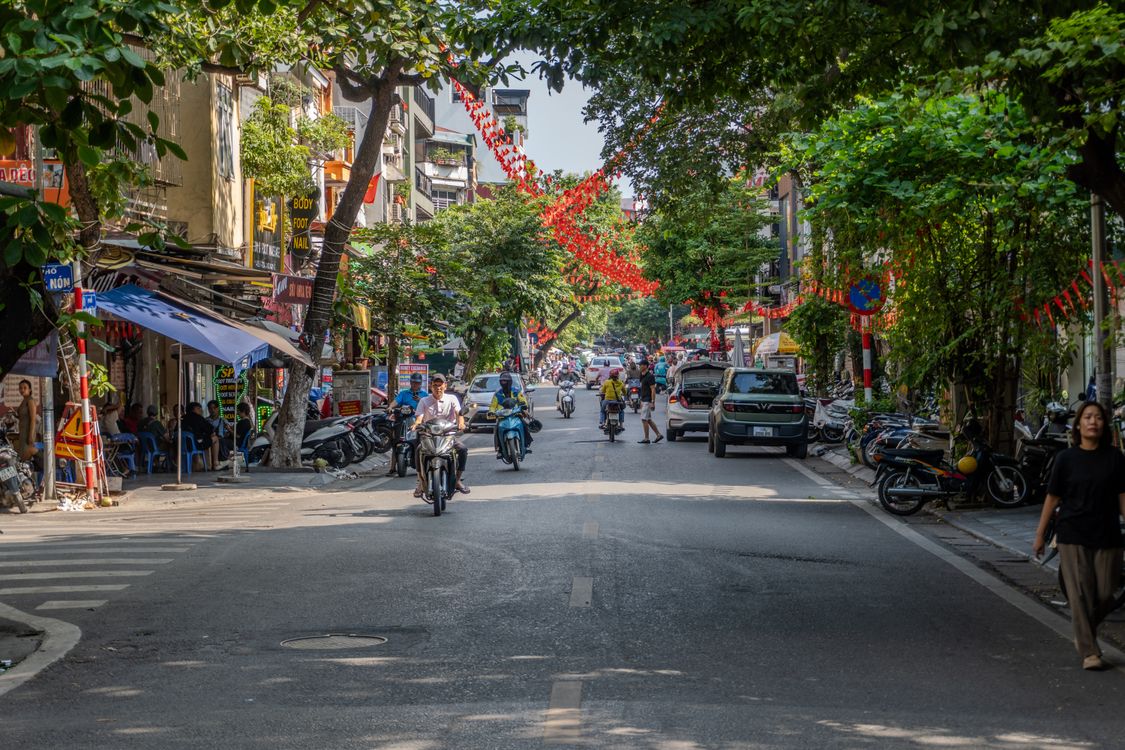
The South — Short Storms, Still Travel-Friendly
Ho Chi Minh City in summer follows a predictable rhythm: hot morning, clear until about 2pm, then the sky opens up for 30–60 minutes, then clears again. Like clockwork.
It’s not the kind of rain that ruins your trip. It’s the kind where you duck into a cafe, drink an iced coffee, and by the time you finish, the sun’s back out and the streets are steaming.
The Mekong Delta is actually at its most impressive in summer. The rivers are full, the fruit orchards are loaded with durian and rambutan, and the floating markets are bustling (okay, fine — “busy” — the right word is busy).
One thing: skip Phu Quoc in July–August. The seas get rough, skies go grey, and the island loses its whole appeal. Come back in December–April for the Phu Quoc you see on Instagram.
Where: Ho Chi Minh City, Mekong Delta
Weather: 25–34°C, daily afternoon rain for 30–60 min, then clear
Best for: Food tours, city exploration, Mekong day trips
Skip: Phu Quoc (July–Aug) — rough seas and overcast skies
At a Glance — Summer Weather by Destination
Here’s a quick reference. Take it from someone who’s run trips through all three regions in every month of the year:
| Destination | June | July | August | Best For |
|---|---|---|---|---|
| Da Nang | ☀️ Dry | ☀️ Dry | ☀️ Dry | Beach, sightseeing |
| Hoi An | ☀️ Dry | ☀️ Dry | ☀️ Dry | Old town, beaches |
| Hue | ☀️ Dry | ☀️ Dry | ☀️ Dry | History, citadel |
| Nha Trang | ☀️ Dry | ☀️ Dry | ☀️ Dry | Beach, snorkeling |
| Hanoi | 🌧️ Rain | 🌧️ Rain | 🌧️ Rain | Culture, food |
| Sapa | 🌤️ Cool | 🌤️ Cool | 🌤️ Cool | Trekking, views |
| Ha Giang | 🌧️ Rain | 🌧️ Rain | 🌧️ Some rain | Motorbike loop |
| Halong Bay | 🌧️ Storm risk | 🌧️ Storm risk | 🌧️ Storm risk | Cruises (risky) |
| HCMC | 🌧️ PM storms | 🌧️ PM storms | 🌧️ PM storms | City, food tours |
| Mekong Delta | 🌧️ PM storms | 🌧️ PM storms | 🌧️ PM storms | River tours |
| Phu Quoc | 🌧️ Rainy | 🌧️ Rough seas | 🌧️ Rough seas | Skip in summer |
Before You Go — What to Know
- Timing — Plan outdoor stuff for the morning (7–11am). Rain almost always comes in the afternoon. You can still eat, shop, and explore under cover.
- Gear — A rain jacket beats an umbrella 10 times over. Also: a waterproof phone pouch is the smartest 50,000 VND you’ll spend.
- Hydration — Drink coconut water. It’s everywhere, it’s cheap (15,000–25,000 VND), and it’s basically nature’s Gatorade.
- Booking — July and August are low season in most of Vietnam. Flights and hotels are cheaper. Fewer crowds at major attractions. Use it.
- Flights — If you’re flying Hanoi ↔ HCMC, check for delays. Afternoon storms can stack up departures. Book morning flights if you can.
FAQs — What Travelers Are Actually Asking
“Is July a bad time to visit Vietnam?”
Not at all — just don’t try to do the whole country. Stick to central Vietnam (Da Nang, Hoi An, Nha Trang) and you’ll have great weather. The north is rainy, the south has short storms. Central is the summer sweet spot.
“Should I skip Phu Quoc in the summer?”
Honestly? Yes. July and August have rough seas, overcast skies, and prolonged rain. It’s not the Phu Quoc you want. Come back in the dry season (December–April) and you’ll get the postcard version.
“Can I still do the Ha Giang Loop in summer?”
You can, but expect rain. Roads get slippery, visibility drops, and landslides happen. If you’re an experienced rider, go for it — the landscapes are spectacularly green. If not, wait until September–October when the rice is golden and the roads are drier.
“Is the rain in HCMC really that bad?”
No. It pours hard for 30–60 minutes in the afternoon, then clears up. The city runs on its own schedule — shops stay open, taxis keep moving, street food vendors pull out umbrellas and keep cooking. Carry an umbrella, wait it out, and you’ll be fine.
“Where’s the best beach weather in July?”
Da Nang (My Khe Beach), Hoi An (An Bang Beach), and Nha Trang. Central Vietnam’s coast is in its dry season all summer. The water is calm, the skies are clear, and the sunsets are ridiculous.
The Short Version
Summer in Vietnam isn’t one season — it’s three, running simultaneously. Central Vietnam has picture-perfect weather while the north gets drenched and the south has afternoon showers.
If you’re flexible, base yourself in Da Nang or Nha Trang and take day trips from there. If Hanoi’s on your list, go for the food and culture and accept the rain as part of the experience. And if someone tells you not to visit Vietnam in summer — ask them which part they went to.
Need help planning? Check out our tours across Vietnam or reach out on WhatsApp/Zalo: +84 70 6666 520. We run trips in every season — we know exactly where to send you.