




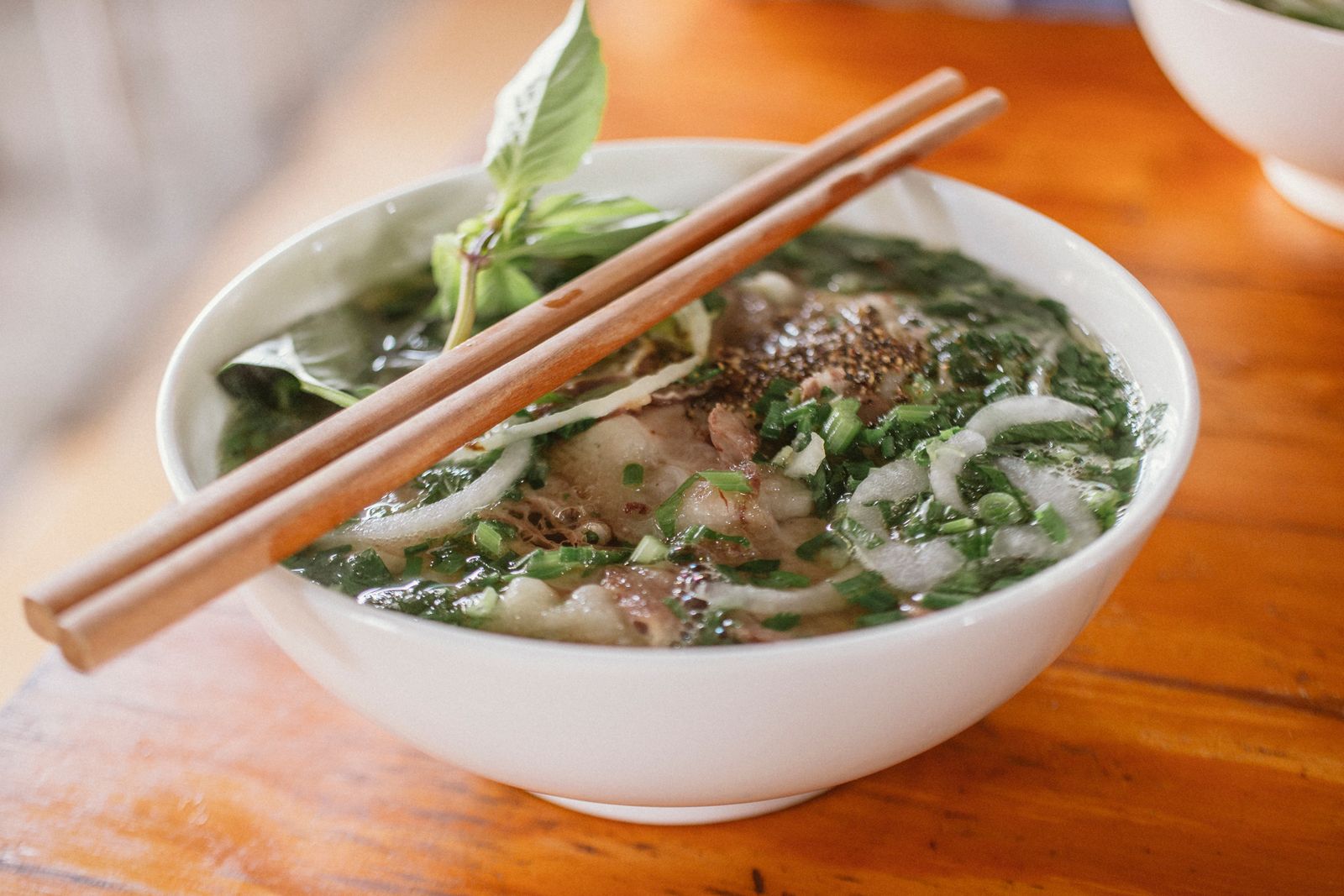


What to Eat in Bac Lieu: Six Dishes and How to Order Them
Only have a meal or two in Bac Lieu? Start with the right noodle dish, understand the fermented flavours, and order without guessing.
If you have one meal in Bac Lieu, start with the choice that matches your tolerance. Bún bò cay is the signature hit if you want a hot, spicy beef broth. Bánh tằm bì is the safer first order if you want thick noodles, herbs, pork and coconut sauce without a bowl of chili. Save lẩu mắm and ba khía for a group that already likes fermented seafood.
Choose by flavour before choosing by name
- Want the dish most associated with Bac Lieu? Order bún bò cay if you want heat. Some vendors can reduce garnish or serve extra chili separately, but the chili is already cooked into the broth, so that cannot guarantee a mild bowl; choose bánh tằm bì instead if heat is a concern.
- Want a filling but gentler lunch? Choose bánh tằm bì, a mixed plate of thick rice-and-tapioca noodles, shredded pork skin, pork, herbs, bean sprouts and coconut sauce.
- Want a snack? Look for bánh củ cải, a soft-chewy radish cake that may contain shrimp and meat.
- Like strong fermented flavours? Try lẩu mắm as a shared hotpot or ba khía as a salty crab side.
- Want something fresh beside a rich meal? Ask about bồn bồn or pickled vegetables.
Bún bò cay: the first bowl to try
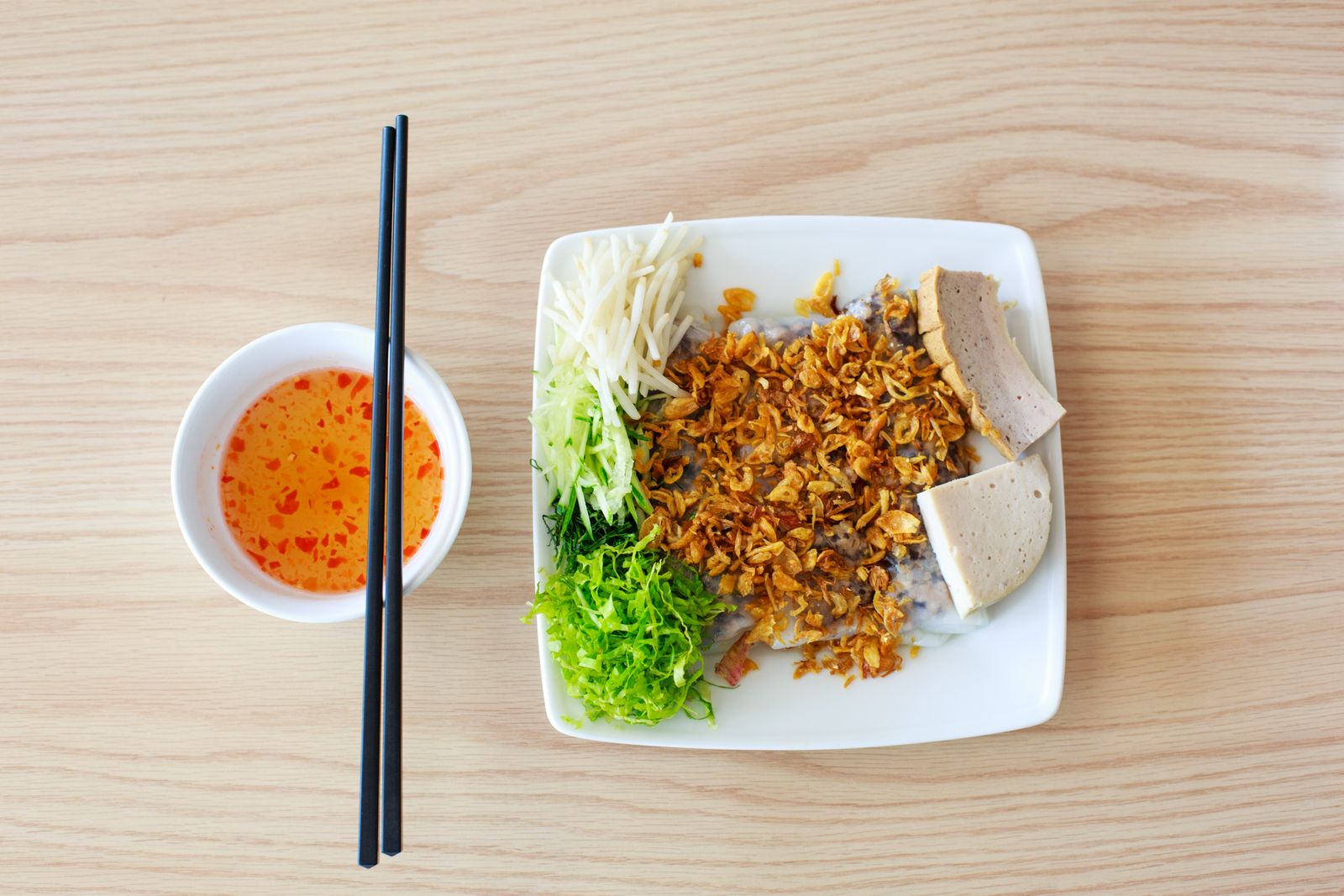
This beef noodle soup gets its heat from red chili in the broth, not only from sliced chilies added at the table. A VietnamNet feature on a long-running Bac Lieu vendor describes beef bones simmered overnight, beef and tendons cooked with aromatics, and buffalo-horn chili giving the soup its colour and punch. Basil, coriander, salt and lime balance the bowl.
Order it when you want a distinctly local first meal and can handle heat. If you are unsure, say ít cay (less spicy) and ask whether the broth itself can be made milder. Extra chili can be served separately, but the base is already seasoned with chili, so choose bánh tằm bì if you need a reliably gentler dish.
Bánh tằm bì: the calmer plate
Thick rice-and-tapioca noodles, shredded pork skin, pork, herbs, bean sprouts and coconut-based sauce make this a textural dish rather than a broth meal. Mix the sauce through the noodles before eating. Otherwise the top stays dry and the sweet-savoury sauce collects at the bottom.
Choose it for lunch when you want something filling but less fiery than bún bò cay. The coconut sauce makes it a poor fit for anyone avoiding that ingredient, so ask what is in the dressing if you have a dietary restriction.
Bánh củ cải: a small snack with a soft bite
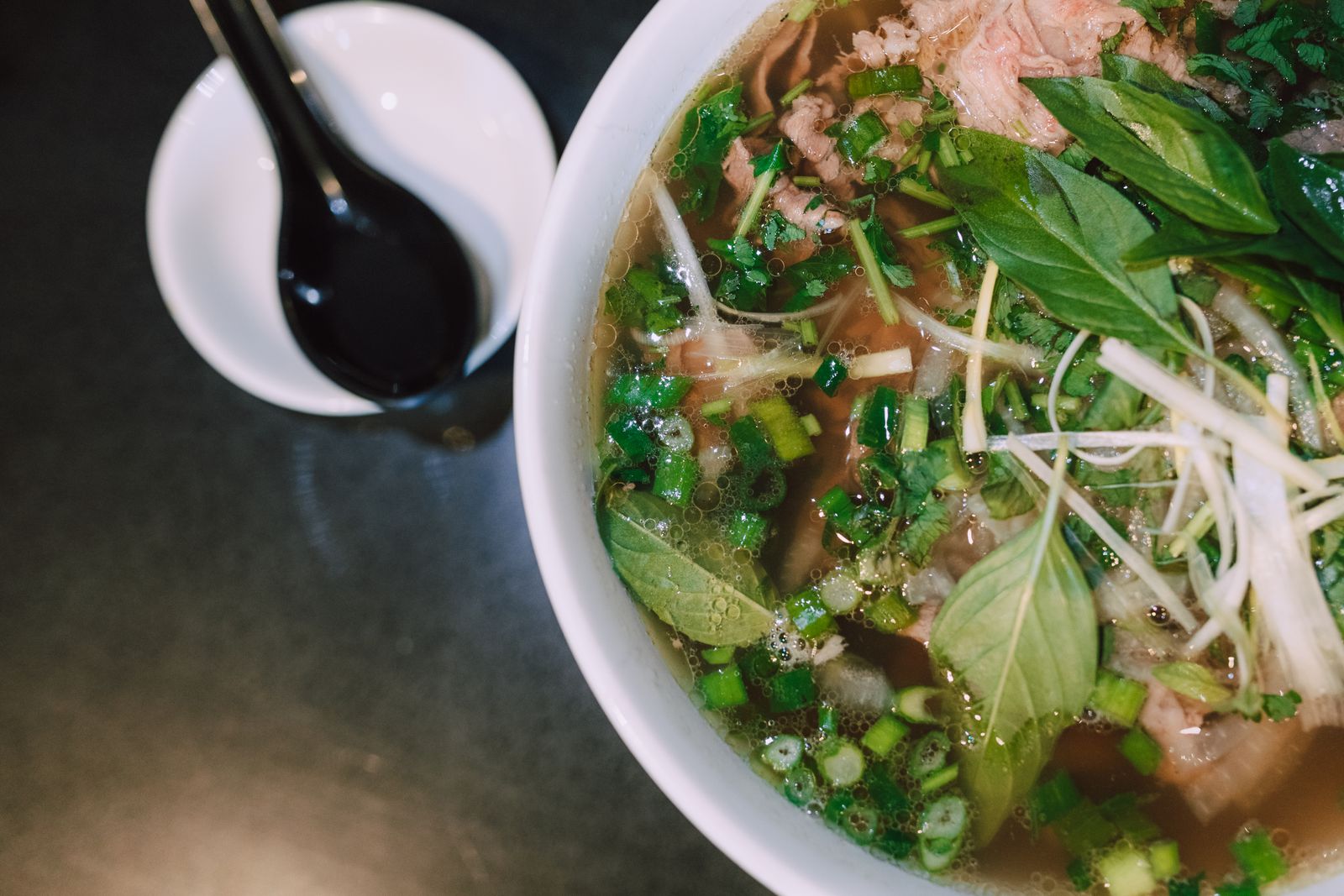
This thin radish cake is associated with Bac Lieu’s Chinese community. The wrapper uses wheat flour and grated white radish; fillings can include shrimp, meat and more radish. It is steamed or pan-fried, so expect soft-chewy texture rather than a crisp spring roll.
Eat it hot from a market stall or small local eatery. It works well between two larger meals, especially if you want to sample rather than commit to another bowl.
Lẩu mắm and ba khía: only if the group is ready
Lẩu mắm uses fermented fish sauce in the broth, with fish, prawns or other seafood and plenty of vegetables. The smell is intense when the pot arrives; that is part of the dish. Order it when the group has time to eat slowly and at least one person already enjoys fermented flavours.
Ba khía is a small brackish-water crab found across the Mekong Delta. It may be salted, mixed with aromatics, or served with rice and vegetables. Treat it as a shared side. If you avoid fermented seafood, choose a noodle dish instead.
Small sides worth asking about
Bồn bồn, a southern wetland plant, is served as a crunchy pickle or vegetable side. It cuts through richer fish, hotpot and rice dishes. You may also see cải xá bấu, preserved radish associated with Teochew food traditions. Ask what is fresh that day; the pickle beside a stall’s breakfast may differ from its dinner side.
Ordering without a Vietnamese menu
- Say không cay for no chili, or ít cay for less chili.
- Ask about fermented fish before ordering anything with mắm. That word is a warning about flavour, not a mild soy sauce.
- Order one portion first. Add another dish after you know whether the broth, coconut sauce or fermentation suits you.
- Try noodle soup early in the day and look for market snacks later, when possible.
- Carry small cash for stalls and markets. Do not assume card payment outside larger restaurants.
A low-risk food day
Start with bún bò cay for breakfast, adjusting the chili to your tolerance. Choose bánh tằm bì for lunch if you want a cooler herb-and-coconut plate. In the afternoon, share bánh củ cải or a pickle side. Make lẩu mắm dinner only if everyone wants fermented seafood; otherwise, order another noodle or seafood dish.
Bac Lieu’s food sits alongside Khmer heritage and đờn ca tài tử, the southern musical tradition inscribed by UNESCO in 2013. That context is useful, but it should not turn a meal into a checklist. Pick the dish you can enjoy, then let the city provide the rest.
Planning a nature stop as well? Our Bac Lieu Bird Sanctuary visitor guide explains the current map label and which access details to confirm.
The VietnamNet feature on Bac Lieu’s bún bò cay explains why the chilli in the broth matters. If heat is a problem, changing dishes is more dependable than asking for a spicy broth without its garnish.


Content summary
Other blogOther blog
Related blogs

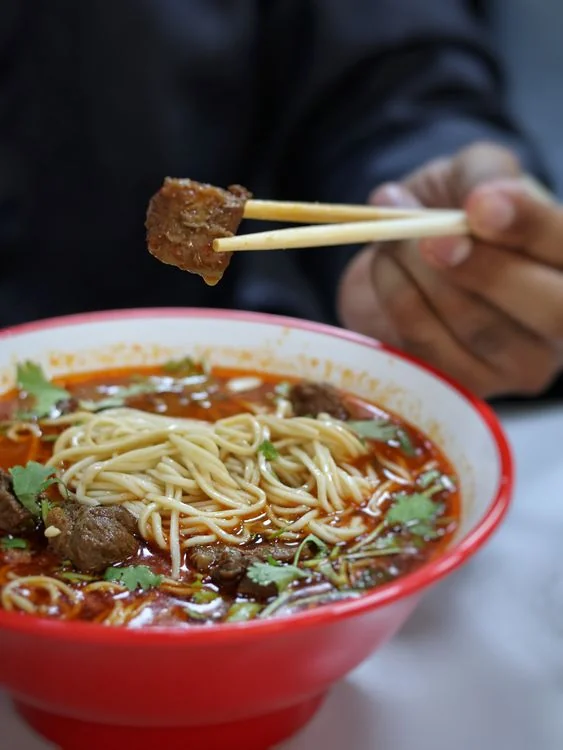
What to Eat in Hue — 10 Dishes Locals Actually Eat
Hue is Vietnam’s food capital and criminally underrated. Here are 10 dishes locals actually eat — where to find them and what they cost.

Where to Stay in Hoi An — Best Areas & Hotels for Every Budget
Old Town or the beach? Here’s the honest breakdown of every Hoi An neighborhood — what each one is like, who it suits, and real hotels at real prices.

10 Best Things to Do in Ben Tre — Coconut Canals, Sunset Birds & Real Mekong Life
Only 85km from Saigon, Ben Tre is the Mekong at its most authentic. Here are 10 things to do — coconut canals, warm candy, sunset storks and food worth the drive.