




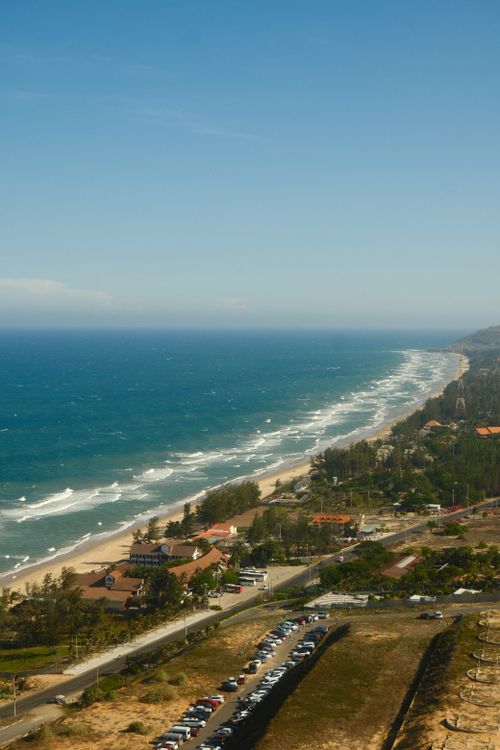


8 Best Things to Do in Mui Ne — Vietnam’s Desert Beach Town
Mui Ne has red sand dunes, a fairy stream, kiteboarders, and seafood grills by the sea. Here are eight things you shouldn’t miss on Vietnam’s weirdest coast.
Mui Ne — Vietnam’s Weirdest Beach Town
Four hours east of Ho Chi Minh City, there’s a stretch of coast that doesn’t look like the rest of Vietnam. Red sand dunes roll down to the sea. A creek runs through a canyon of layered clay. Fishermen unload their catch on a beach dotted with colorful round boats.
Mui Ne used to be a quiet fishing village. Now it’s a resort strip with kiteboarders in the water, seafood grills along the seawall, and jeeps heading out at sunrise toward the dunes. It’s weird, it’s beautiful, and it’s nothing like Nha Trang or Da Nang.
Here are eight things you shouldn’t miss.
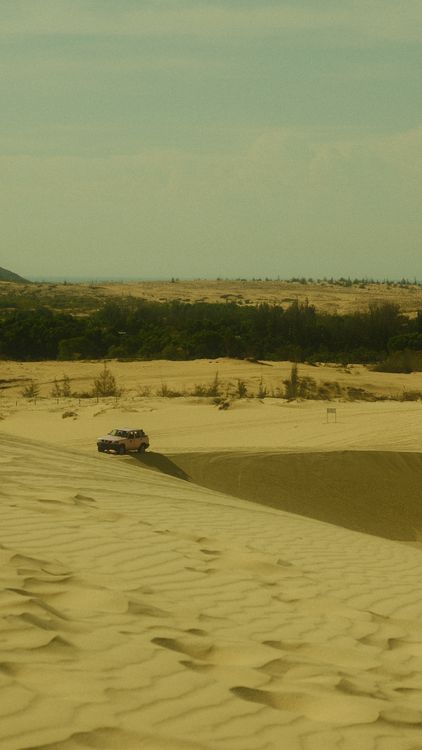
1. White Sand Dunes at Sunrise
The White Sand Dunes are about 25km northeast of town, and the only good time to go is sunrise. The jeep tour picks you up around 4:30am. It sounds brutal. It’s worth it.
You climb the dunes just as the sky turns from black to deep purple to pink. The sand is cool under your feet. In the distance, a freshwater lake sits between the dunes — lotus flowers in season. By 7am the sun is already hot and the dunes are crowded. Get there early.
You can rent an ATV or a plastic sled to ride down the slopes. ATV costs around 300,000–500,000 VND for 15–20 minutes. Sandboarding is free with your tour. The sleds don’t slide well on dry sand — wait for the morning dew or bring a waxed board.
Tip: Book a jeep tour through your hotel. Standard price is 200,000–400,000 VND per person for a half-day trip covering the dunes, fishing village, and Fairy Stream.
2. Red Sand Dunes at Sunset
The Red Sand Dunes are smaller and closer to town — about 15 minutes by motorbike. The sand here is a deep rust color, and at sunset it glows orange against the sky.
This is the better spot for photos. The dunes are lower, so you get the sunset over the horizon behind you. Kids rent plastic sleds for 10,000–20,000 VND and slide down the slopes. It’s not the fastest ride, but it’s fun.
The red dunes are also less crowded than the white ones. The local kids are friendly — they’ll show you the best sledding spots. A small tip goes a long way.
Go around 4:30pm. Bring water. The walk up is short but the sun is still punishing at that hour.
3. Fairy Stream
Suoi Tien is a shallow creek that cuts through a narrow canyon of red and white limestone. You walk barefoot in ankle-deep water between walls of layered rock. Bamboo groves shade parts of the trail. It’s quiet, surreal, and about 2km long.
The entrance is on Huynh Thuc Khang Street, just past the Mui Ne market. Take your shoes off at the start. The sandy bottom is soft, but there are rocks in some sections. Go early — by 10am the tour groups roll in.
Honestly, this was my favorite thing in Mui Ne. It’s free (no entrance fee), takes about 45 minutes each way, and the colors in the canyon walls are unlike anything else in Vietnam. The locals sell coconut water and dragon fruit along the way. Grab one.
4. Mui Ne Fishing Village
The fishing village is at the northern end of the Mui Ne strip. Go early — 5:30 to 6:30am. That’s when the boats come in.
Hundreds of round bamboo basket boats line the shore. Fishermen haul nets onto the beach. Women sort the catch into colored crates. The smell is strong (it’s fish, after all), but the scene is pure Vietnam.
You don’t need a tour. Park your motorbike on the road and walk down to the beach. Stay out of the way of the workers. Photos are fine, but don’t shove a camera in anyone’s face.
The village is also where you’ll find the best seafood in Mui Ne. More on that below.
5. Kiteboarding
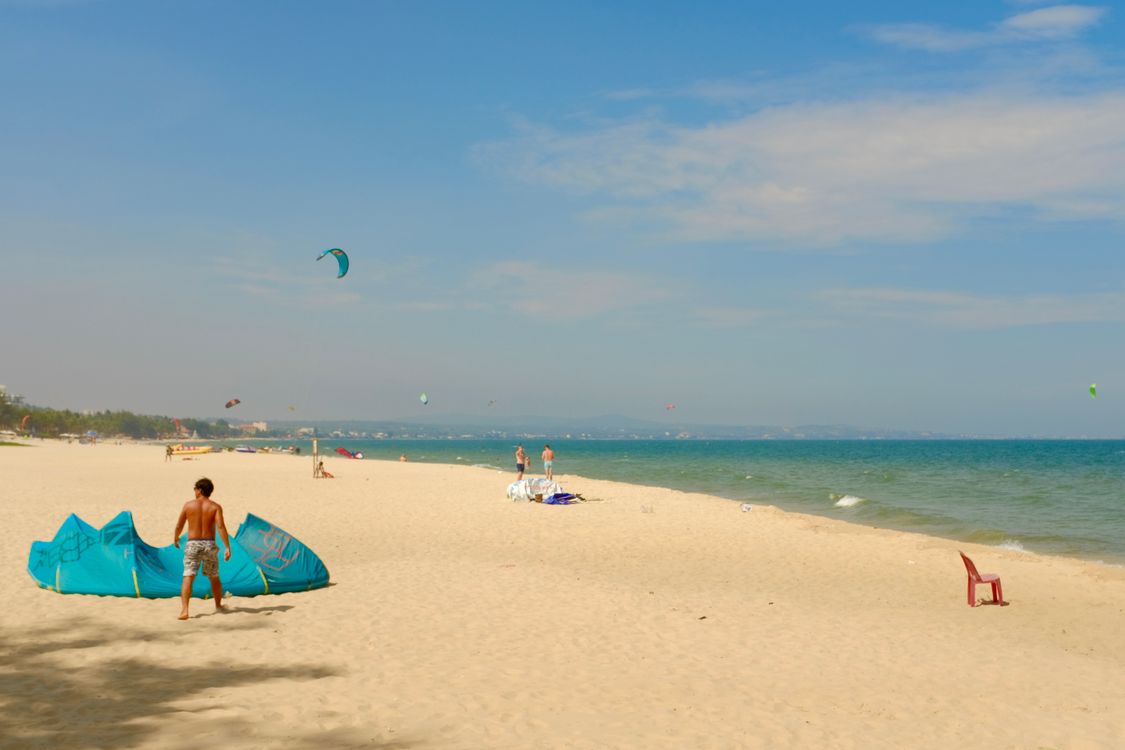
Mui Ne is one of Asia’s top kiteboarding destinations. The wind picks up in the afternoon, and from December to March it’s consistent enough for beginners and pros alike.
Several schools operate along the beachfront. A beginner lesson (2–3 hours) runs about 1,500,000–2,500,000 VND including equipment. Most schools speak English. You don’t need to book weeks ahead — walk in the day before.
If kiteboarding isn’t your thing, there’s stand-up paddleboarding, jet skis, and windsurfing. The water is calm in the morning and gets choppier as the wind picks up.
Not a watersports person? Grab a hammock at a beachfront resort, order a coconut, and watch the kiteboarders carve across the bay. That counts.
6. Bo Ke Seafood Along the Seawall
Bo ke (pronounced “bow kay”) is Mui Ne’s version of a seafood grill. Tables on the sidewalk. Tanks of live fish, crabs, clams, and shrimp. You pick what you want, they grill it with garlic, chili, or lemongrass, and you eat it with cold beer.
The main stretch is along Nguyen Dinh Chieu Street, facing the sea. Prices vary. A meal for two with beer runs 300,000–600,000 VND. Go for the grilled scallops with garlic and the chili squid. Skip the set menus — they’re overpriced.
We ate at two different bo ke spots and both were excellent. The difference is the view: some have tables right on the sand. The food quality is consistent across most of them.
7. Ta Cu Mountain
About 30km south of Mui Ne near Phan Thiet, Ta Cu Mountain is home to a 49-meter-long reclining Buddha — the largest in Southeast Asia. You take a cable car up (5 minutes, 200,000–300,000 VND round trip), then walk a short trail to the statue.
The cable car ride gives you views over the coastal plains and the sea. At the top, the Linh Son Truong Tho pagoda complex is worth a wander. The reclining Buddha itself is massive — you don’t realize the scale until you’re standing next to a single finger.
It’s a half-day trip from Mui Ne. Rent a motorbike or book a private car. Combine it with a stop at the nearby Cham Towers (Po Sah Inu) on the way back.
8. Beach Days & Resort Hopping
The beach itself is long, clean, and lined with palm trees. Unlike Nha Trang, it’s not packed with loungers and jet ski vendors. You can walk for a kilometer without passing anyone.
Many resorts offer day passes if you’re not staying there. Prices range from 100,000–300,000 VND for pool access and a lounger. Coco Beach, one of the oldest resorts in Mui Ne, is a favorite among locals.
The water is swimmable most of the year. July is fine — warm, calm in the morning, a bit of chop in the afternoon. The sun is strong. Reapply sunscreen every hour.
Before You Go
Getting there: Mui Ne is about 4–5 hours from Ho Chi Minh City by car or bus. Fly into Tan Son Nhat first — we offer HCMC airport transfer to your hotel. Sleeper buses run from the Mien Dong station (200,000–300,000 VND). Private cars cost 1,000,000–1,500,000 VND for a one-way trip.
Getting around: Rent a motorbike (150,000–200,000 VND/day). Most hotels arrange this. A taxi from one end of the strip to the other costs about 30,000–50,000 VND.
When to go: December to March has the best weather — sunny, dry, steady wind. July is still good: hot, short afternoon showers, fewer crowds. Avoid October–November (rainy season, rough seas).
What to bring: Sunscreen, a hat, sandals that can get wet, cash (ATMs are limited). The Fairy Stream and fishing village both involve walking through water.
The Short Version
Mui Ne is the kind of place you go to do nothing — and somehow end up doing everything. Sunrise at the white dunes. Sunset at the red dunes. Barefoot walks through Fairy Stream. Grilled seafood with beer overlooking the ocean.
It’s not as polished as Da Nang or as party-heavy as Nha Trang. It’s weirder, quieter, and more interesting. If you’re in Ho Chi Minh City and want a real beach escape — not a resort bubble — this is it. And if you’re heading further north to explore Central Vietnam, MIA Hue Tours runs the best local experiences in Hue.


Content summary
Other blogOther blog
Related blogs

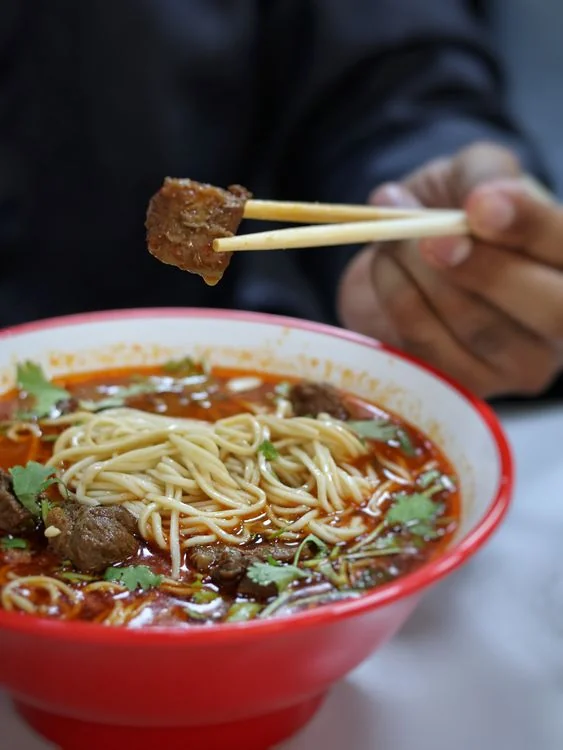
What to Eat in Hue — 10 Dishes Locals Actually Eat
Hue is Vietnam’s food capital and criminally underrated. Here are 10 dishes locals actually eat — where to find them and what they cost.
Where to Stay in Hoi An — Best Areas & Hotels for Every Budget
Old Town or the beach? Here’s the honest breakdown of every Hoi An neighborhood — what each one is like, who it suits, and real hotels at real prices.
10 Best Things to Do in Ben Tre — Coconut Canals, Sunset Birds & Real Mekong Life
Only 85km from Saigon, Ben Tre is the Mekong at its most authentic. Here are 10 things to do — coconut canals, warm candy, sunset storks and food worth the drive.