






Cham Island Day Trip from Hoi An — Boats, Snorkeling & What to Expect
Cham Island (Cu Lao Cham) is 20 minutes from Hoi An by boat. Here’s how to do the day trip right — boat prices, snorkeling spots, and what’s actually worth it.
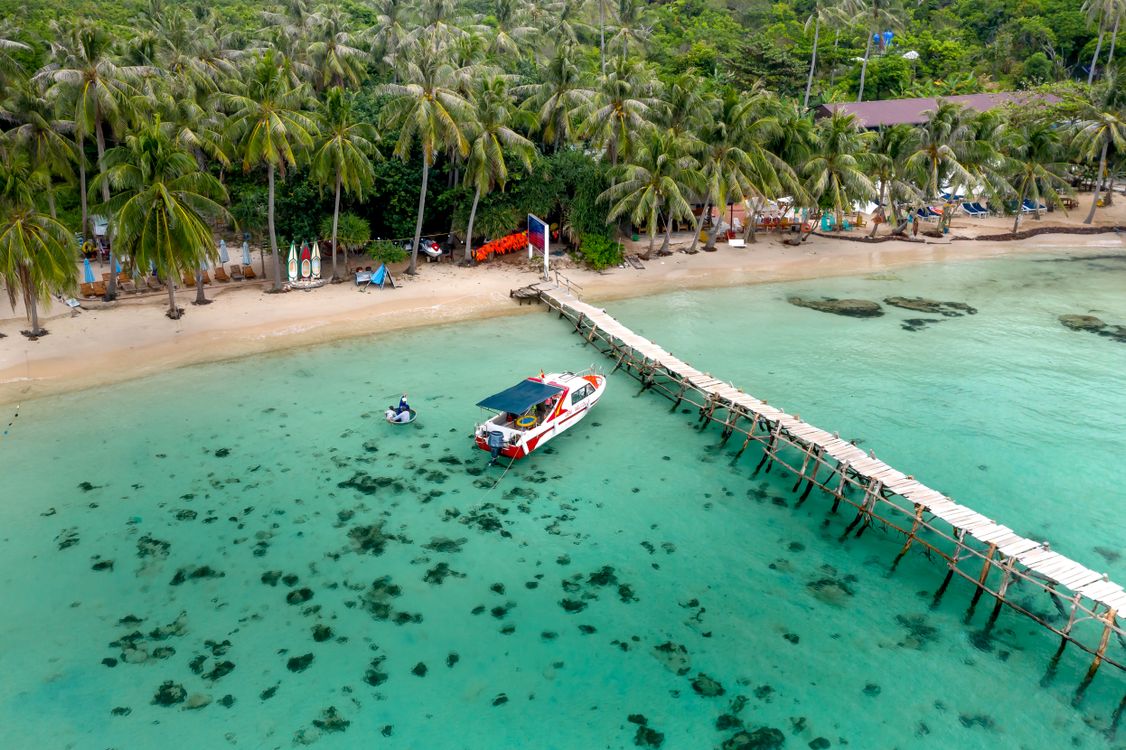
Hoi An’s old town is beautiful. It’s also busy — you know the squeeze, shoulders brushing shoulders under the lanterns at night. Twenty minutes offshore sits the exact opposite: Cu Lao Cham, better known as Cham Island. A UNESCO biosphere reserve with two fishing villages, a handful of quiet beaches, and water clear enough to see the reef from the boat.
Now the honest bit, before the pretty pictures: reviews of Cham Island are weirdly split. Half the people who go rave about the snorkeling. The other half say it’s a waste — dead coral, no fish, bad food. Both groups are telling the truth. It depends on the season, the spot, and which boat you end up on.
We’ve sent plenty of guests on this trip over the years, so here’s the full breakdown — boats and prices, where to actually snorkel, and how to do it without getting herded around like a package-tour sheep.
At a Glance — Boats from Hoi An
| Option | Cost (round trip) | Duration | Departures | Best for |
|---|---|---|---|---|
| Speedboat | 500,000 – 600,000 VND | 20–30 min | ~8am, 9am, 10am, 1:30pm, 2pm | Most people |
| Wooden ferry | 350,000 – 400,000 VND | 50–60 min | ~8–8:30am (once daily) | Budget travelers, the patient |
| Private charter | 7,500,000 – 18,500,000 VND (whole boat) | Flexible | Custom | Groups of 8+ |
| Organized day tour | from ~900,000 – 1,400,000 VND (~$35–55) | Full day | Morning pickup | First-timers, zero planning |
All prices are per person unless noted. The ~70,000 VND marine conservation fee is usually folded into the boat ticket.
Getting There — Cua Dai Pier and the Crossing
Every boat to Cham Island leaves from Cua Dai Pier, about 5–7 km east of Hoi An old town — 15–20 minutes by taxi or motorbike. Get there with time to spare; the morning boats leave on schedule, not on you.
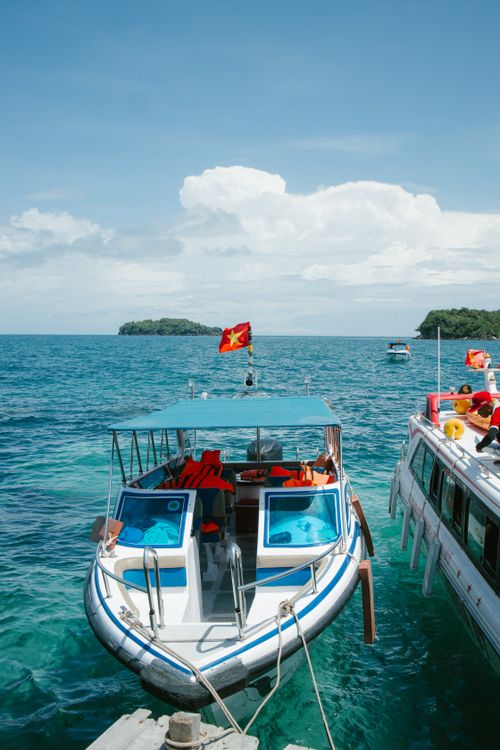
The speedboat is the obvious choice for most people: 20–30 minutes across, 500,000–600,000 VND round trip. Departures hover around 8am, 9am, 10am, then again around 1:30pm and 2pm — exact times shift with season and weather, so confirm your slot the day before.
Want to save a bit and don’t mind a slower ride? The wooden ferry costs 350,000–400,000 VND and takes 50–60 minutes. The catch: usually one departure, around 8–8:30am. Miss it and you’re on the speedboat anyway.
Coming from Da Nang? It’s about 45 km to the pier — roughly an hour by car. Most Da Nang visitors book a package that throws in the transfer, or fly into Da Nang airport and take an airport transfer to Hoi An, then do the day trip from here. We run that transfer daily — 4, 7, and 16-seaters, from 350,000 VND between Da Nang and Hoi An.
Private charter runs 7.5–18.5 million VND for the whole boat. Only makes sense for a big group or a special occasion.
Snorkeling — The Honest Part
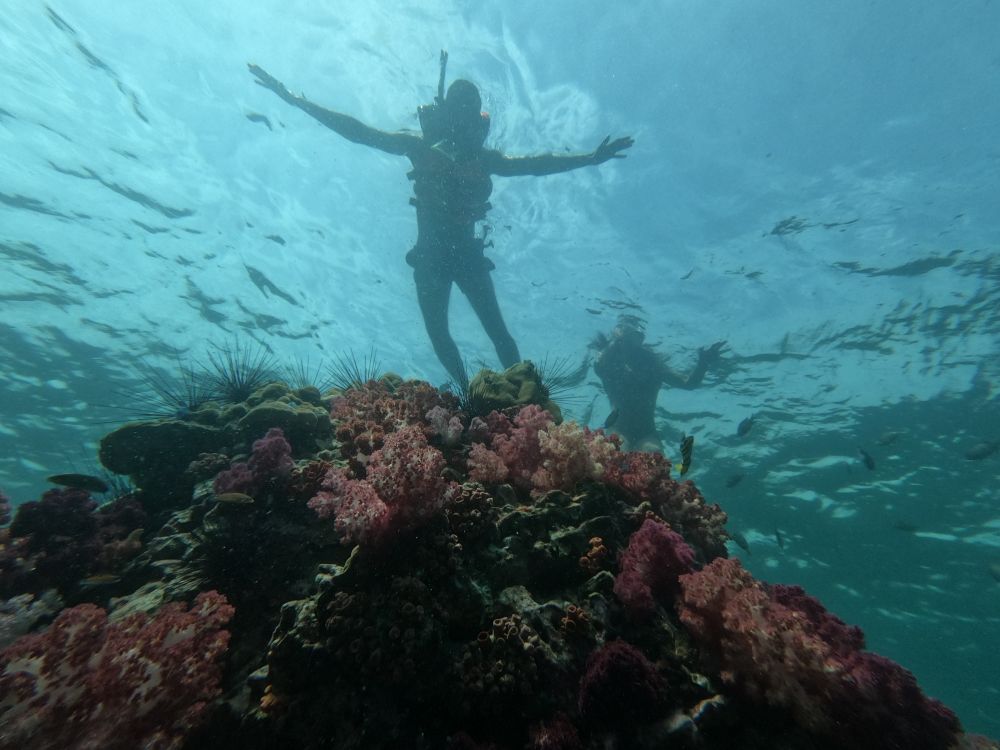
Here’s where reviews go to war, so let’s settle it. Cham Island’s reefs sit inside a Marine Protected Area, and from March to September the water is calm and clear. Snorkel at the right spots — Bai Chong, Bai Huong, Hon Dai, Bai Xep — and you’ll see coral and fish, no problem.
The disappointed reviews almost always come from the same setup: someone goes off-season (October to February, when the sea turns rough and boats cancel), or gets dropped at the first rocky patch near the pier by a cheap package tour. Dead coral, no fish, and a 40-minute boat ride to show for it. That’s not the island’s fault.
What you’ll pay: snorkeling tours run about 400,000–600,000 VND per person including gear and a guide. Organized day tours from Hoi An or Da Nang start around $35–55 and bundle boat, lunch, and guide. Going independent? Rent gear separately, around 200,000 VND. Certified divers can add a proper dive from about $80.
Two rules, no exceptions: use reef-safe sunscreen (the regular stuff kills coral, and rangers do check), and don’t touch the reef. Take your trash back to the mainland — the island staying clean is the whole point.
What to See on the Island
Landing at Bai Lang, the main village, you’re straight into island life. There’s Tan Hiep Market for local snacks, the small Whale Temple (Lang Ong) where fishermen pay respects before heading out, and a marine museum that explains why this reserve matters.
Hai Tang Pagoda, from the mid-1700s, sits at the base of the mountain — fishermen still pray there before voyages. Then there’s the Ancient Cham Well (Gieng Xom Cam), which locals swear produces the water that makes the island’s seafood taste better than anywhere else. And Eo Gio, the windy strait, is the viewpoint you’ll see in every photo.
No cars on the island. Motorbike, bicycle, or your own two feet — that’s it.
The Beaches
Bai Ong is closest to the pier and the easiest stop — white sand, shallow water, seafood shacks on the shore. It’s also the busiest; by midday it fills with day-trippers. Go early, or skip it for the others.
Bai Chong is wider and quieter, ringed by green hills and inside the protected area — loungers for rent (around 20,000–50,000 VND), kayaks, calm water. Bai Xep, further along the coast, is the wild one: no facilities, just shade huts, so bring water. Bai Huong, at the island’s southern tip, is the fishing village beach with homestays along the sand — calm, local, and where you want to be if you stay overnight.
Seafood Lunch
The island’s economy runs on the morning catch, so lunch is the easy highlight. At Tan Hiep Seafood Market near the pier, you pick your seafood and they cook it on the spot — clams, fish steamed in banana leaves, crabs. Dishes run about 80,000–200,000 VND depending on the catch.
For a sit-down meal, Dan Tri Restaurant in Bai Lang is the local favorite — sea view, fresh seafood, run by a chef-owner couple. Steamed stone crab, sea snails, grilled fish. Most dishes start around 50,000 VND. Budget 150,000–300,000 VND for a proper lunch.
Back on the mainland the eating doesn’t stop — our what to eat in Hoi An guide covers the dishes you shouldn’t miss in town.
What to Know Before You Go
- Cash only — there are no ATMs on the island, and most vendors don’t take cards. Bring small bills
- Season matters — boats run reliably from March to September. October to February, the sea turns rough and trips get cancelled
- Book ahead in peak — August is busy. Book your boat a day or two out, then confirm the morning of
- Seasick-prone? — the speedboat is fast but can bounce. The wooden ferry rides steadier. Take meds before you board, not after
- Water shoes — the beaches are gorgeous; the rocky paths to them are not barefoot-friendly. Hot sand, too
- Stay overnight if you can — homestays in Bai Huong are cheap, and the island empties out once the last boat leaves. Sunset over the fishing boats is worth the extra night
The Short Version
Yes, Cham Island is worth it — in season, on a good boat, with realistic expectations. The island itself is genuinely lovely, and the snorkeling is good to great from March to September if you pick the right spot. Show up in October expecting turquoise water and you’ll be the one leaving the bad review.
While you’re in Hoi An, our guide to the best things to do in Hoi An covers the rest of your itinerary. Need a hand with transfers or a custom day? Message us on WhatsApp/Zalo at +84 70 6666 520. And if you’re heading north to Hue after this, check out MIA Hue Tours for the best local experiences up there.


Content summary
Other blogOther blog
Related blogs

What to Eat in Hue — 10 Dishes Locals Actually Eat
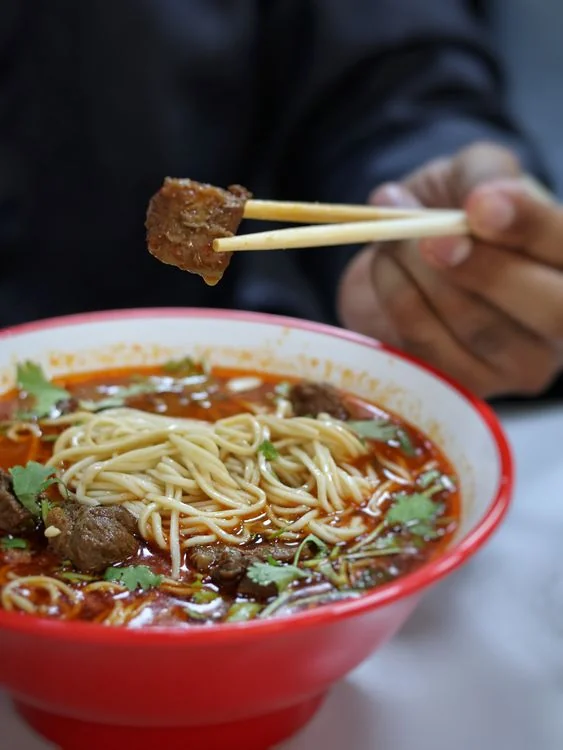
Hue is Vietnam’s food capital and criminally underrated. Here are 10 dishes locals actually eat — where to find them and what they cost.
Where to Stay in Hoi An — Best Areas & Hotels for Every Budget
Old Town or the beach? Here’s the honest breakdown of every Hoi An neighborhood — what each one is like, who it suits, and real hotels at real prices.
10 Best Things to Do in Ben Tre — Coconut Canals, Sunset Birds & Real Mekong Life
Only 85km from Saigon, Ben Tre is the Mekong at its most authentic. Here are 10 things to do — coconut canals, warm candy, sunset storks and food worth the drive.