






Fukuoka Red Light District: Navigating Nakasu at Night
Nakasu mixes nightlife with riverside food stalls. Know how yatai seating works, check evening openings and take the right train from Hakata.
Nakasu is the area associated with searches for the Fukuoka red light district. It mixes adult-oriented entertainment with ordinary bars, restaurants and riverside food stalls. Visiting for dinner does not mean entering an adult venue, and the district’s reputation is not a description of every business there.
For a first evening, decide whether you want a yatai meal, a conventional restaurant or a bar. They involve different seating arrangements, prices and expectations. Choose the actual place rather than following someone who offers to take you to one.
Locate the food stalls, not just the Nakasu map pin
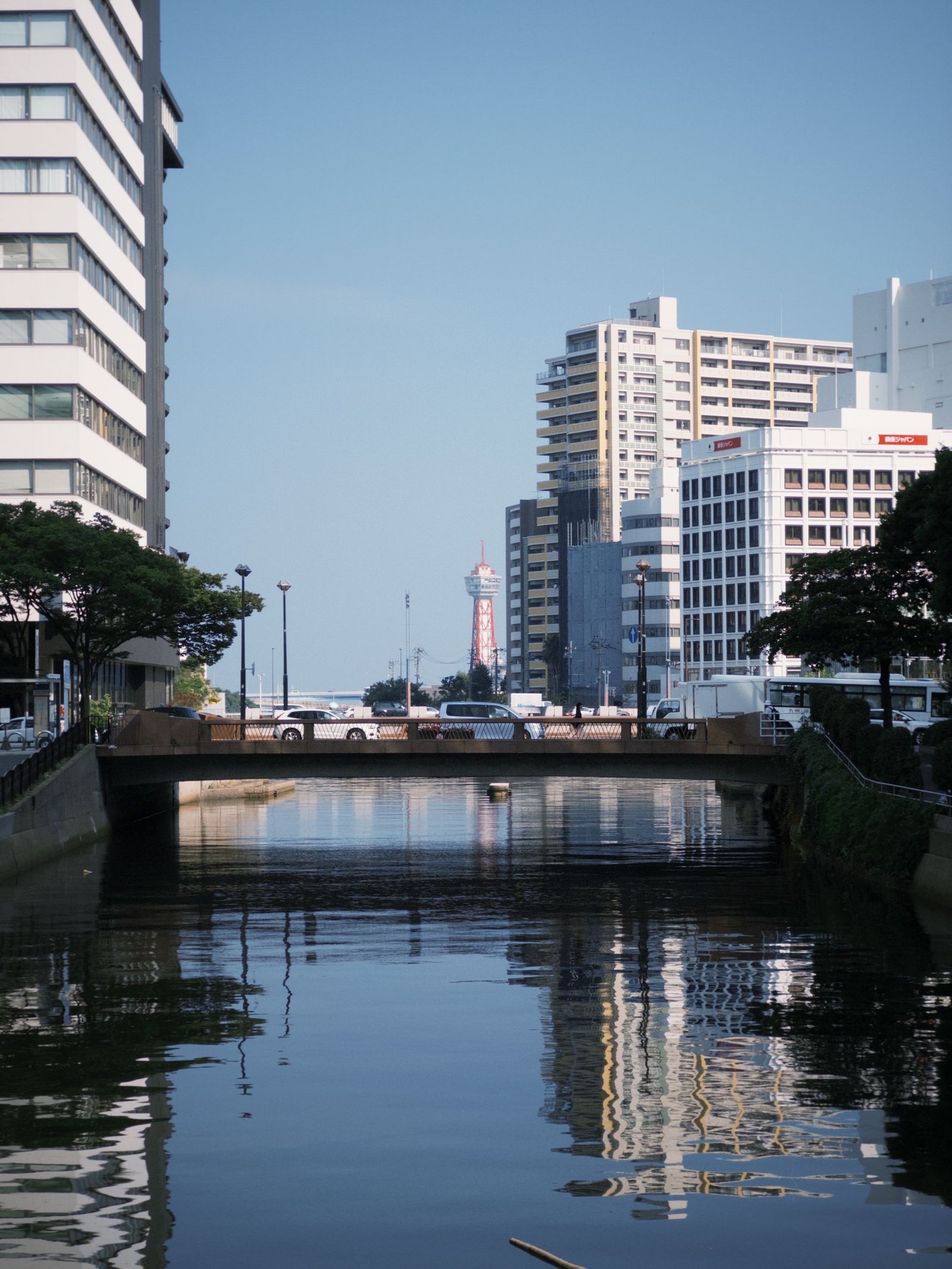
Nakasu sits between the Nakagawa River on its western side and the Hakatagawa River to the east. The Japan National Tourism Organization’s Nakasu guide places the riverside yatai towards the southern end. A yatai is a small street-food stall with counter seating, not a nightclub or an adult-entertainment business.
The station area offers other reasons to visit. Hakataza theater and the Fukuoka Asian Art Museum connect with Nakasu-Kawabata Station, while the Kawabata shopping street is primarily a daytime shopping option. Do not assume the entire area follows the late-night timetable of its bars.
This distinction matters beyond Fukuoka, too: our Osaka district guide separates ordinary dining neighborhoods from Tobita Shinchi rather than treating every illuminated street as the same experience.
Can a yatai be your dinner?
Yes. Yatai serve food as well as drinks; ramen is one option, not the only reason to sit down. Read the actual menu before choosing a counter. If you have allergies or dietary restrictions, ask about the dish and broth rather than relying on its name or a photograph.
The space is the main practical constraint. Fukuoka City’s yatai manners guide asks visitors to leave large luggage at a hotel or locker, share the limited counter space and place an order for each seated customer. It also asks people not to occupy seats for a long time without ordering.
- Ask whether your group can sit together before taking the available seats. A small counter is not equivalent to a restaurant table reservation.
- Check food and drink prices before ordering, and bring a way to pay that the particular stall accepts. Do not assume every counter takes cards.
- If you need room for a stroller, a long meal or a detailed conversation about ingredients, consider an ordinary restaurant instead. That is a space-and-service decision, not a judgment about the whole neighborhood.
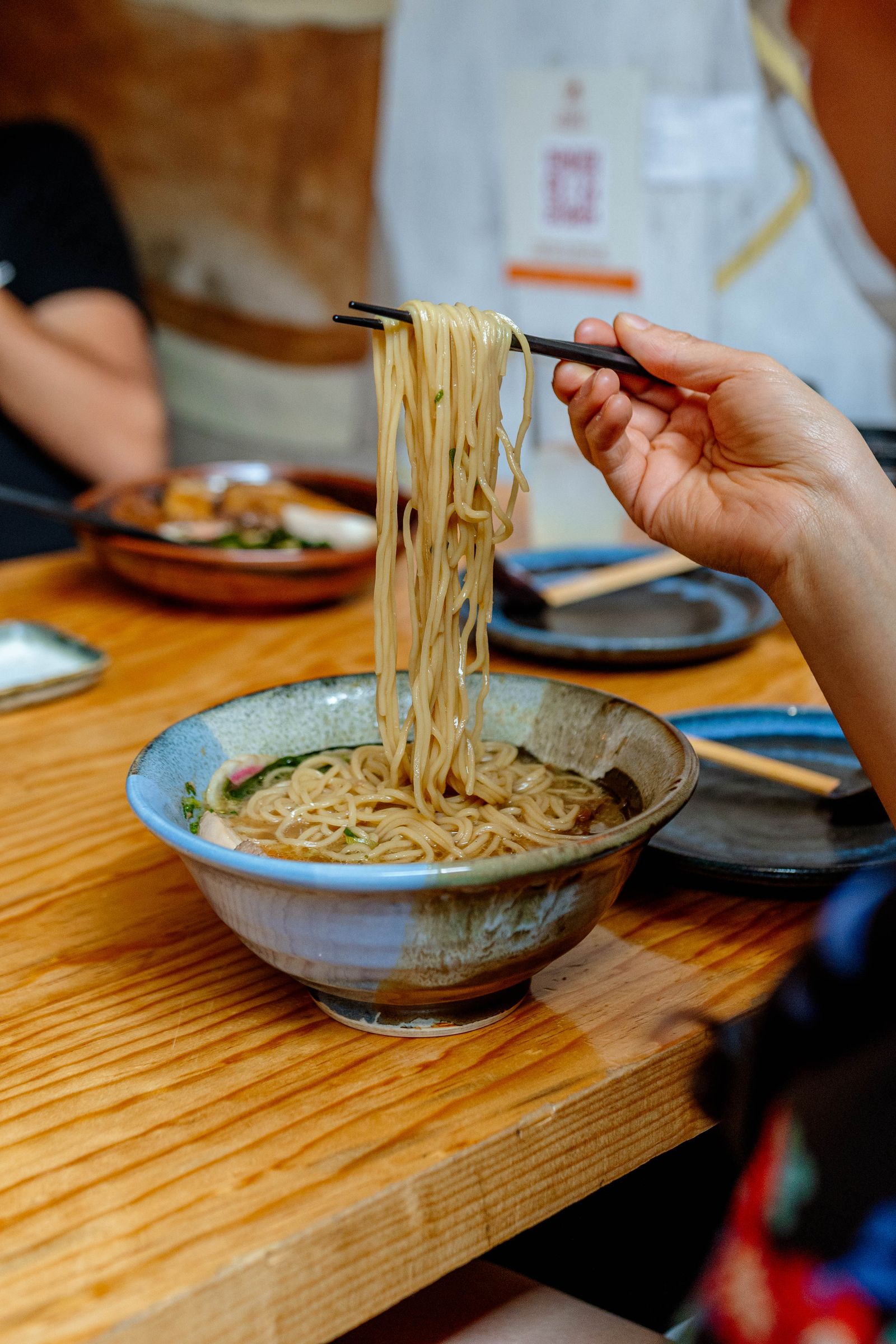
The city also says yatai do not offer takeaway. Plan to eat at the counter, not to buy a meal for later in your hotel room.
Check the evening opening status after the stalls start operating
Around 6pm is a useful starting point for planning an evening visit, but it is not a promise that every stall opens then. Weather can prevent yatai from operating. Keep an indoor dinner option for a wet or windy night instead of making one outdoor counter your only plan.
The city’s yatai guide explains how to check stalls through its FUKUOKA GUIDE LINE service. Its open-status icon appears from around 6pm when a stall is operating. Checking during the daytime and seeing no open icon does not establish that it will be closed that evening.
Nakasu is not the only yatai area. The same guide distinguishes Nakasu, Tenjin and Nagahama. If your accommodation or onward journey is nearer another area, compare those options rather than crossing town solely because Nakasu is the name you recognize.
Before entering a bar, settle the cost
Ask what you will pay before sitting down: drink prices, any cover or seating charge, and whether a quoted amount applies per person or to a timed session. If the explanation is unclear, leave before ordering. A bright sign or an English-speaking invitation does not answer those questions.
Hakata Police’s Nakasu anti-touting notice is a reason to make your own choice of venue rather than follow a street invitation. This is not evidence that every bar is dishonest, nor a basis for promising that a particular street is risk-free.
Hakata and Nakasu-Kawabata are not adjacent subway stops
Use the Fukuoka City Subway route map for the actual station order. On the Airport Line, the sequence is Hakata → Gion → Nakasu-Kawabata → Tenjin. That makes Nakasu-Kawabata two stops from Hakata and one from Tenjin. Nakasu-Kawabata also serves the Hakozaki Line.
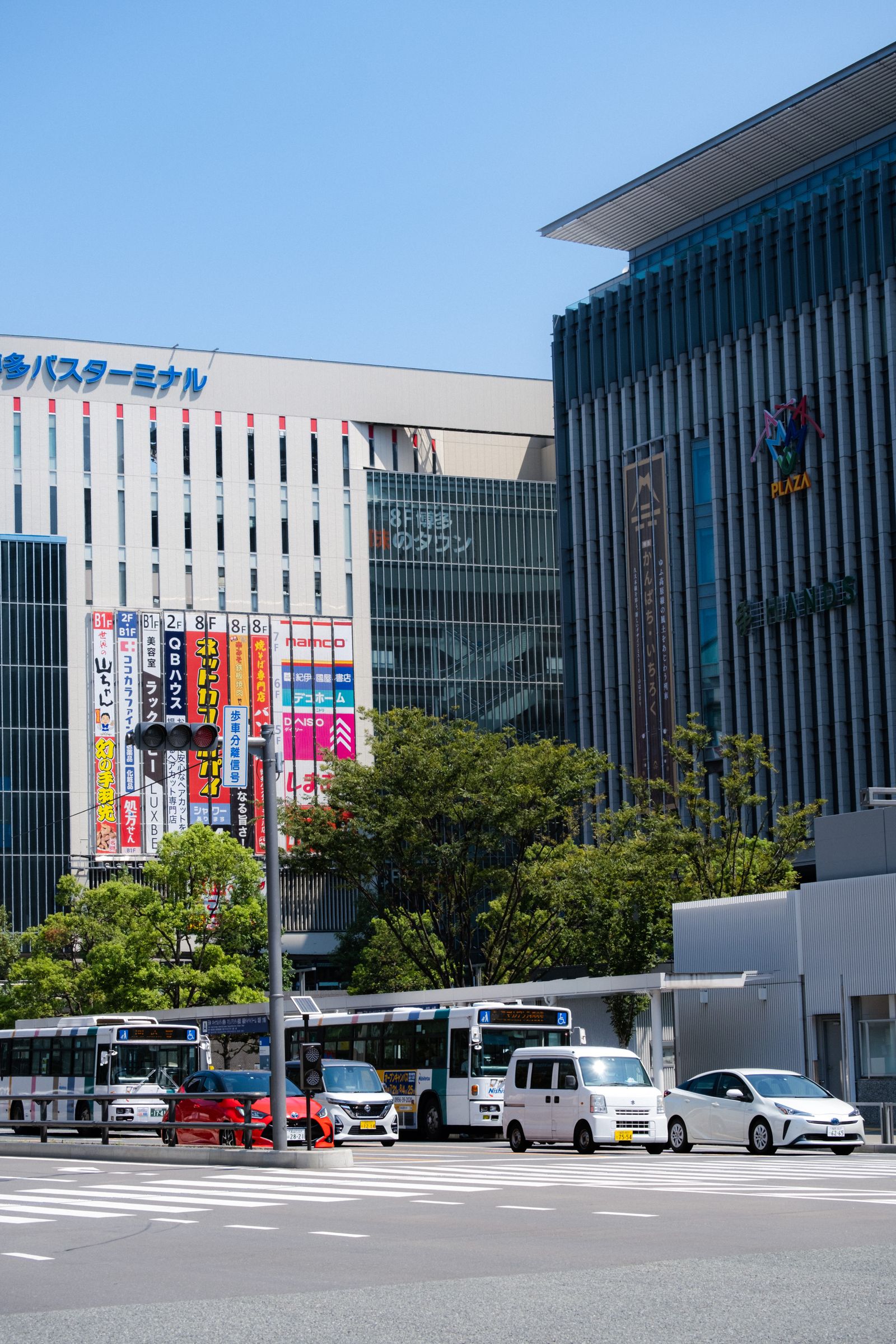
When choosing accommodation, compare the exact entrance and your return route, not just “Hakata” or “Nakasu” in a listing. Staying near Hakata Station can suit a trip organized around rail arrivals; staying near Nakasu-Kawabata can reduce the return journey from a Nakasu evening. Neither station name guarantees a quiet room. Ask about the room’s position and recent noise reports for the actual building.
Check your final train for the destination and travel date before dinner. A network’s general operating hours are not the last departure from your platform. If you intend to stay later, arrange another way back rather than assuming trains continue overnight.


Content summary
Other blogOther blog
Related blogs

What to Eat in Hue — 10 Dishes Locals Actually Eat
Hue is Vietnam’s food capital and criminally underrated. Here are 10 dishes locals actually eat — where to find them and what they cost.
Where to Stay in Hoi An — Best Areas & Hotels for Every Budget
Old Town or the beach? Here’s the honest breakdown of every Hoi An neighborhood — what each one is like, who it suits, and real hotels at real prices.
10 Best Things to Do in Ben Tre — Coconut Canals, Sunset Birds & Real Mekong Life
Only 85km from Saigon, Ben Tre is the Mekong at its most authentic. Here are 10 things to do — coconut canals, warm candy, sunset storks and food worth the drive.