






Osaka Red Light District: Where Tobita Shinchi Fits
Tobita Shinchi is not Dotonbori or Shinsekai. Understand the history, legal distinction and what a nearby hotel address really tells you.
Tobita Shinchi is the place most directly associated with the Osaka red light district label. It is not another name for Dotonbori, and it does not describe the whole of Shinsekai or Nishinari Ward.
That distinction matters if you are planning a night out or checking a hotel address. Canal-side restaurants, the streets around Tsutenkaku Tower and the historic adult quarter are different destinations. You can choose an evening of food and sightseeing without making Tobita part of it.
Put Tobita Shinchi in the right part of Osaka
Tobita Shinchi is associated with the Sanno area of Nishinari, near the wider Shinsekai and Tennoji area. Dotonbori belongs to the separate Namba/Minami nightlife conversation. A search result that uses “Osaka nightlife” for all of these places can obscure a useful difference:
- Tobita Shinchi: the historic adult-quarter name relevant to this search, not a general restaurant or family-sightseeing district.
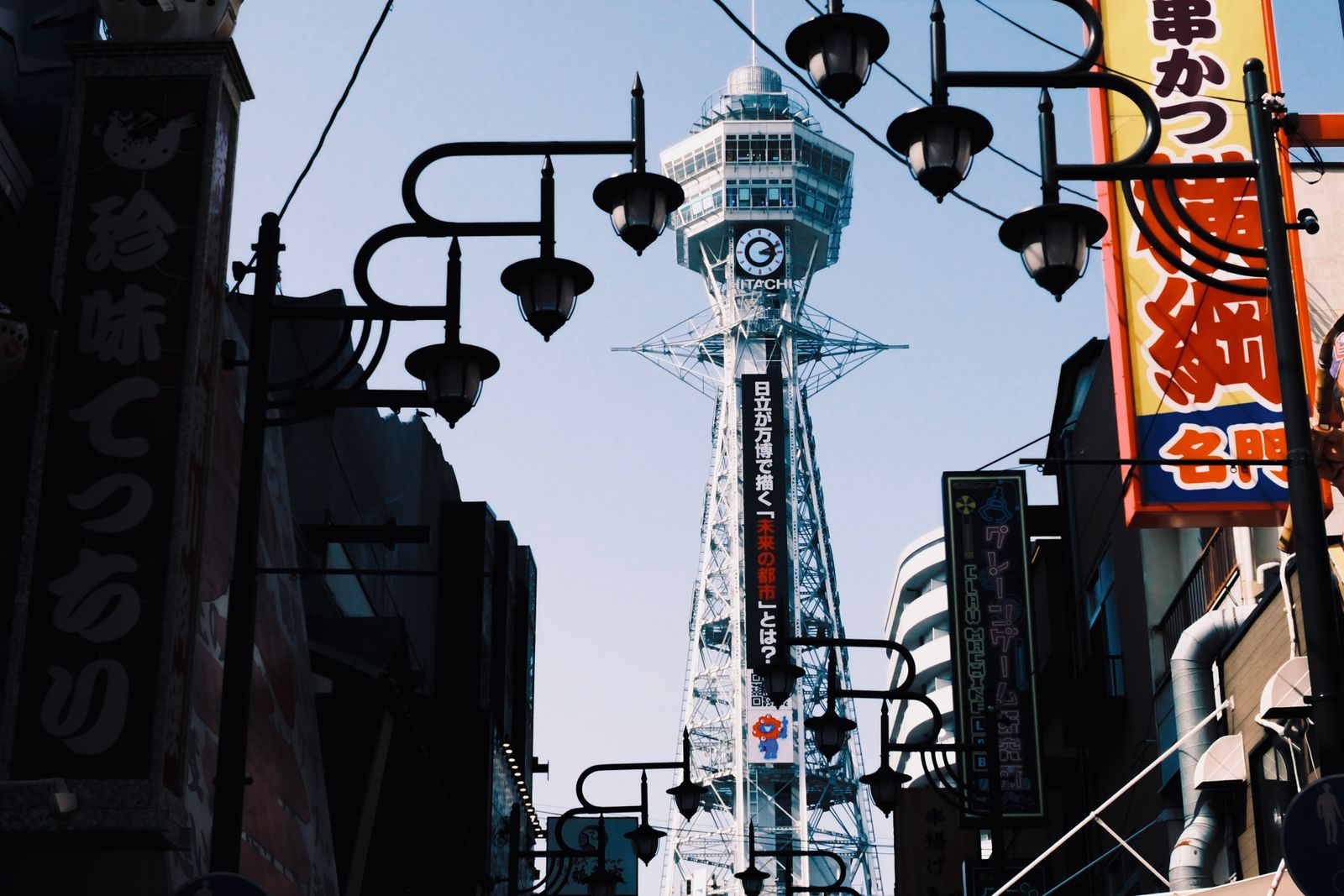
- Shinsekai: the sightseeing and food area associated with Tsutenkaku Tower, Janjan Yokocho and kushikatsu, the fried skewers found on its restaurant menus.
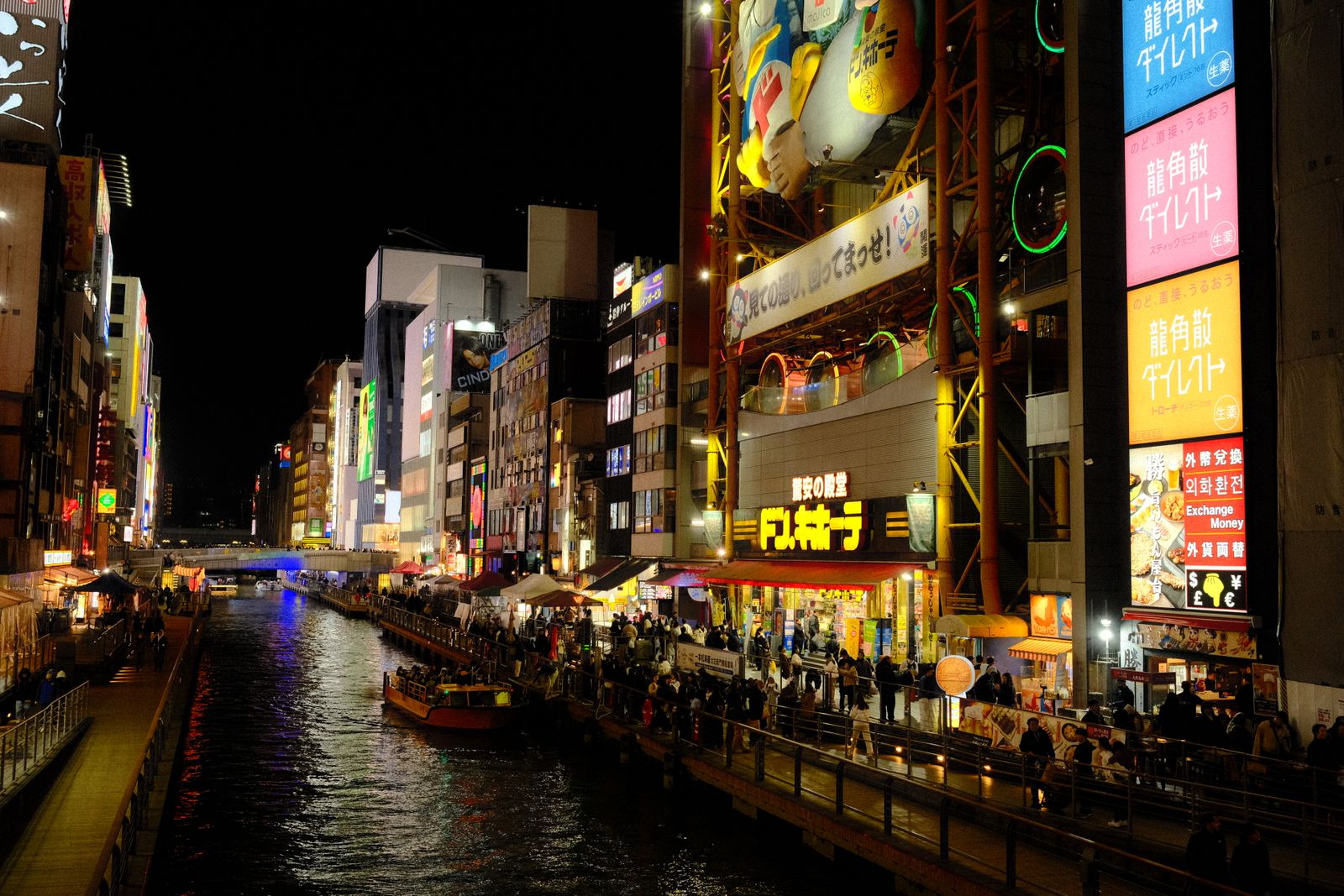
- Dotonbori and nearby Soemon-cho: canal-side entertainment and a mix of restaurants, bars, karaoke and other nightlife businesses. A neon sign or late-night opening does not make a business part of Tobita.
Nishinari is an administrative ward, not a synonym for the adult quarter. Judge a hotel by its actual entrance, surrounding street and route from the station rather than applying one label to every address in the ward.
A historic quarter, not an open-air museum
Tobita’s history is part of why it attracts curiosity beyond adult entertainment. The Osaka tourism bureau describes Taiyoshi Hyakuban as a Taisho-era building from the establishment of the new Tobita district. Its decorated rooms reflect that earlier setting; the building was registered as a national tangible cultural property in 2000.
Today the bureau lists Taiyoshi Hyakuban as a reservation-only restaurant. That gives an architecture-minded visitor a specific dining venue to investigate, rather than assuming every old building is open for a look around. A restaurant reservation is not permission to enter neighbouring premises or photograph their occupants.
Keep the same distinction on the street. Historic interest does not turn people’s workplaces and private doorways into exhibits. Do not photograph people at entrances, point a camera inside premises or treat a refusal as something to negotiate. Respect posted restrictions and leave anyone who does not want attention alone.
What the historic label does not tell you about the law
Descriptions of Tobita as a historically licensed quarter do not establish that prostitution is legal there today. Japan’s Prostitution Prevention Act defines prostitution in Article 2 as intercourse with an unspecified partner in exchange for payment or a promise of payment. Article 3 prohibits engaging in it or being the other party. These are specific statutory terms, not a blanket definition of every form of adult entertainment. The Japanese legal text was checked on 28 September 2026.
Do not treat a “restaurant loophole” explanation on a travel website as legal clearance. The name on a business registration, the existence of a district and the legality of a particular activity are different questions. This distinction also cuts the other way: an ordinary bar, restaurant or karaoke venue should not be described as offering sexual services without evidence.
For dinner and a night out, choose the experience first
If you want the tower-and-skewer-food evening, follow the places in the tourism bureau’s Shinsekai walking guide. Tsutenkaku and Janjan Yokocho give the outing a clear focus. There is no need to add Tobita simply because it appears in nearby search results.
For the canal and a choice of eating and drinking venues, look at Dotonbori and the surrounding Minami streets. The Soemon-cho association’s shop directory separates eating, drinking, entertainment and accommodation, with business types ranging from restaurants to karaoke and hostess clubs. Those categories are not interchangeable. Pick a business whose offer and charges you understand rather than entering somewhere just because it is presented as “Osaka nightlife.”
Choose the venue independently if someone approaches you on the street. Osaka City’s solicitation rules restrict obstructive or persistent approaches against a refusal and designate prohibition zones in parts of Kita and Minami. This does not mean every invitation across the city is illegal; it does mean you do not have to follow someone to see a menu.
If your hotel is nearby
Before cancelling a booking because a map mentions Nishinari or Tobita, check what the route actually involves. Ask the accommodation to mark its guest entrance and the approach it recommends from your arrival station. A map pin on the middle of a building is not always the door you will use.
For a family visit, plan around the specific attractions you want and leave Tobita out of the route. For a late arrival, save the hotel name and address in Japanese and check reception arrangements directly. These are practical choices about your stay, not a claim that every neighbouring street is dangerous or that any route is risk-free.
Use the Osaka Metro route and station information for the underground part of your journey, checking the service you will actually take rather than assuming a station name covers every rail operator. If your itinerary also includes Tokyo, the Tokyo district overview makes a different set of distinctions: Kabukicho, Shibuya and historic Yoshiwara should not be read as equivalents of Tobita.


Content summary
Other blogOther blog
Related blogs

What to Eat in Hue — 10 Dishes Locals Actually Eat
Hue is Vietnam’s food capital and criminally underrated. Here are 10 dishes locals actually eat — where to find them and what they cost.
Where to Stay in Hoi An — Best Areas & Hotels for Every Budget
Old Town or the beach? Here’s the honest breakdown of every Hoi An neighborhood — what each one is like, who it suits, and real hotels at real prices.
10 Best Things to Do in Ben Tre — Coconut Canals, Sunset Birds & Real Mekong Life
Only 85km from Saigon, Ben Tre is the Mekong at its most authentic. Here are 10 things to do — coconut canals, warm candy, sunset storks and food worth the drive.