




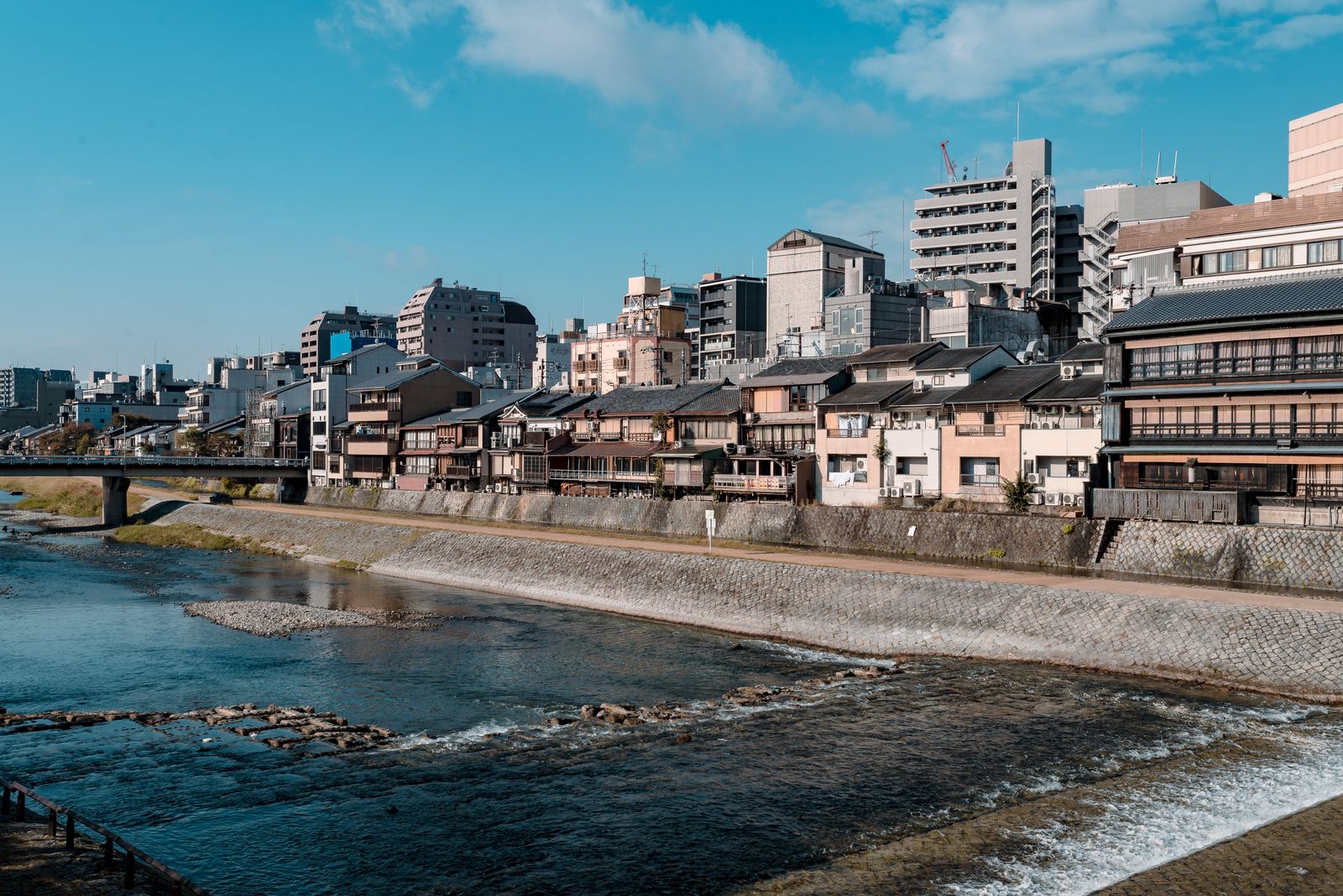


Kyoto Red Light District: Visit the History, Not the Stereotype
Shimabara’s history and Gion’s geiko culture are different subjects. Plan a Sumiya visit around its opening days, or choose a traditional-arts show.
For a historical visit connected with the Kyoto red light district search, start with Shimabara and Sumiya, not a search for geiko on the streets of Gion. Shimabara belongs to Kyoto’s old entertainment-quarter history. Gion’s geiko and maiko are professional performing artists; their work is not a synonym for sexual services.
The distinction changes what you should book. Sumiya offers an architectural and cultural visit on a restricted opening calendar. A traditional-arts performance is a separate evening choice. Dinner and drinks in central Kyoto need neither a museum ticket nor access to a private teahouse.
Shimabara: the historic quarter behind the label
Shimabara is in the Nishishinyashiki area of Shimogyo Ward, separate from Gion. The Sumiya Preservation Society’s history dates the district’s relocation to its present site to 1641. The order came the previous year, which helps explain why both dates appear in descriptions of the quarter.
“Pleasure quarter” is broad historical shorthand. It does not explain what every building did, or describe a current service. The foundation calls Shimabara a kagai, an entertainment district associated with music, dance and banquets, and stresses that its cultural life included poetry and the arts. That is a more useful starting point for understanding the surviving buildings than treating the neighbourhood as a collection of former brothels.
Sumiya was an ageya: a venue for banquets and entertainment. Performers were invited from separate establishments called okiya. Its English architectural account describes the large kitchen, reception rooms and interiors that combined formal reception-hall design with the refinement of tea rooms. You are visiting the setting of that hospitality, not booking a recreation of an adult-service district.
Build the Sumiya visit around the opening day
Sumiya is not an attraction to leave for whichever afternoon happens to be free. Its official autumn 2026 notice lists opening from 18 September to 13 December, on Fridays, Saturdays, Sundays and Japanese public holidays. It is normally closed Monday–Thursday unless the day is a public holiday. Check the notice again for your intended visit; this is a seasonal calendar, not a year-round promise.
There are also two different visiting arrangements:
- First floor and exhibition: no advance reservation is listed, but entry to the historic rooms follows timed guided visits. The published first-floor starts are 10:30, 11:30, 12:40, 13:30, 14:30 and 15:30. It is not a free-roaming interior visit.
- Second-floor rooms: book in advance. First-floor admission is also required, and the museum does not offer a second-floor-only visit. Photography is prohibited upstairs. Children of elementary-school age and younger are not admitted to that part.
If upstairs rooms are your priority, confirm a reservation before committing the rest of the day. A first-floor visit does not automatically include them. The museum publishes separate admission charges and timed-entry arrangements on the same page; use those together rather than relying on a single “museum ticket” description.
For the approach, the museum’s access page estimates a seven-minute walk from JR Tambaguchi Station or eight minutes from JR Umekoji-Kyotonishi Station. Those are the operator’s walking estimates, not a guarantee for your pace. Use the museum entrance as the destination, rather than a generic pin for Shimabara.
Gion is a performing-arts visit, not the same history lesson
Geiko is Kyoto’s term for geisha; maiko are apprentices. Their work includes traditional dance, music and entertaining guests. Being interested in those arts is a reason to book a performance, not to follow someone walking to work.
Gion Corner’s official programme offers an accessible starting point. It explains Kyomai dance, generally performed there by maiko from Gion Kobu, alongside other traditional arts such as the tea ceremony, koto music and theatre. Read the programme and booking conditions for your date: a mixed arts show is not a private banquet with a performer.
On the street, follow the request from Southern Gionmachi residents: do not stop, touch, follow, or take unauthorised photographs or videos of geiko and maiko. Keep entrances and pavements clear, lower your voice near homes, and respect signs restricting photography or access to private property. These local rules do not mean that the whole of Gion is closed to visitors.
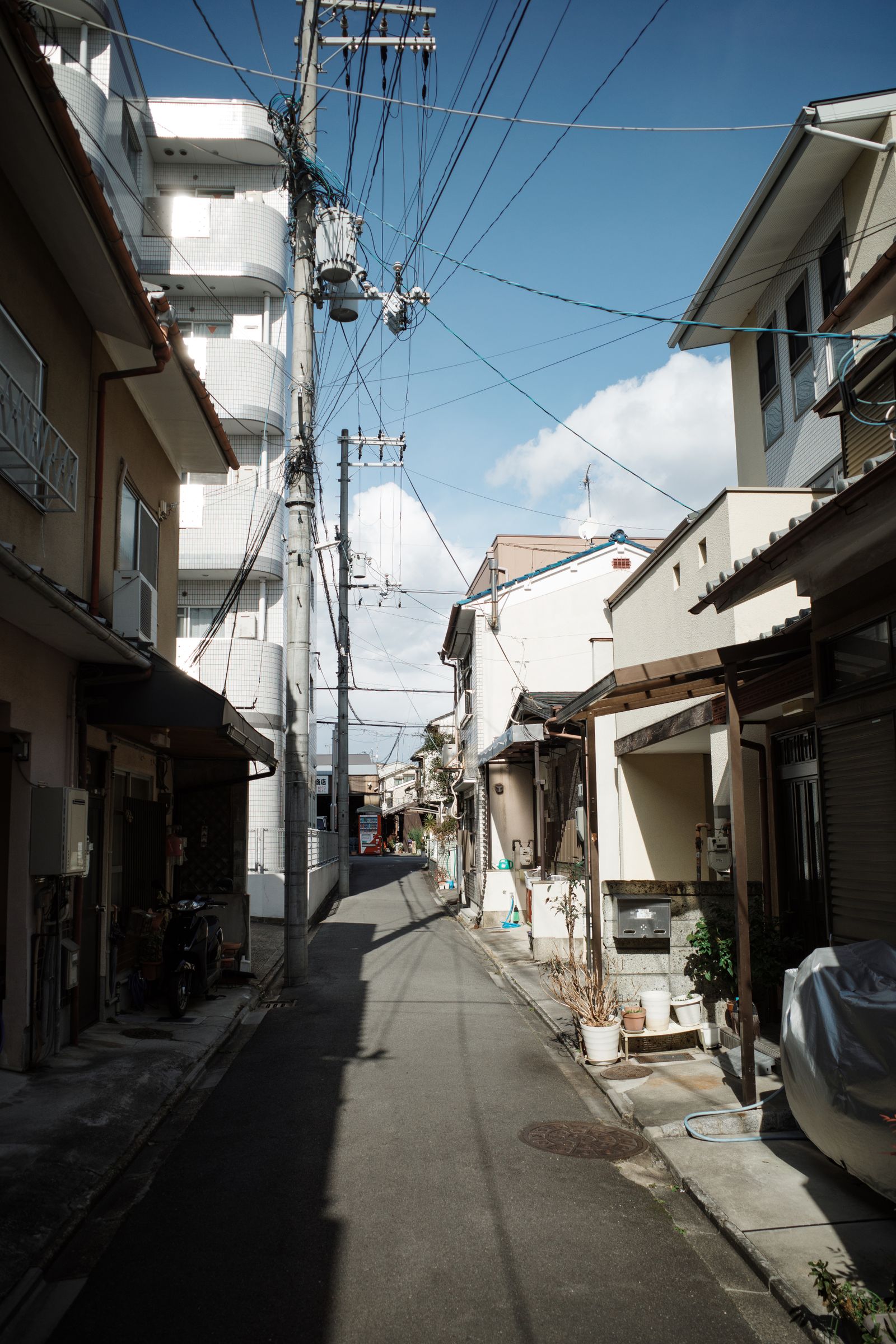
For an ordinary Kyoto evening, choose dinner or a show
If your aim is food and a walk after dark, start with the Shijo and Kawaramachi area rather than fitting the evening around a red-light label. Kyoto’s official central-area guide describes its shopping, dining and evening activity, and identifies Gion and Pontocho as traditional entertainment districts. Those categories can share a city without describing the same experience.
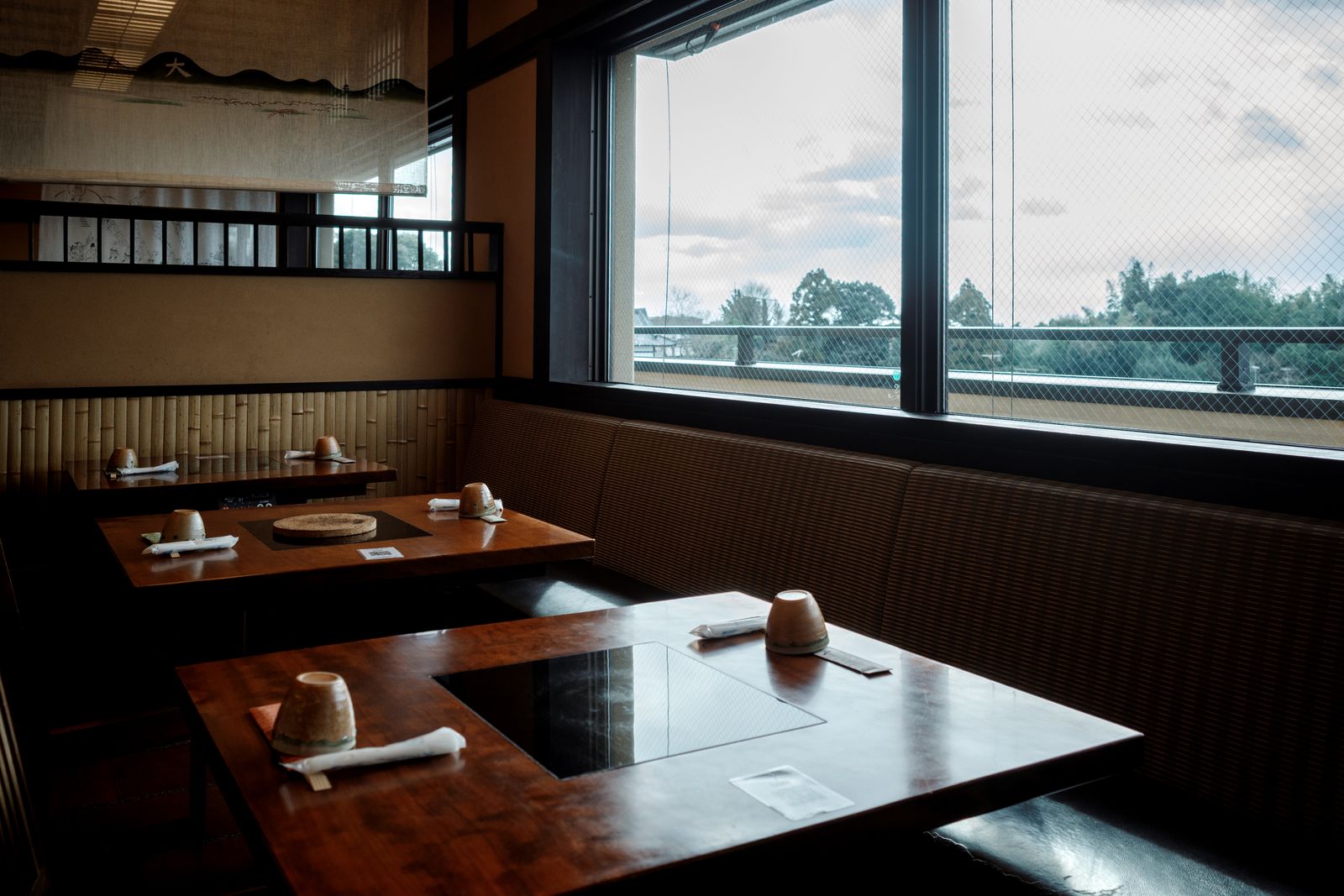
A restaurant reservation covers what that restaurant offers; it does not imply a geiko performance. Likewise, an attractive wooden façade is not an invitation to enter. Choose a named restaurant or published cultural programme with clear booking terms, then leave time for the surrounding streets where public access is permitted.
If you were expecting Tokyo-style neon nightlife, the Tokyo guide’s explanation of Kabukicho addresses a different kind of neighbourhood. For Kyoto, the useful choice is between a scheduled heritage visit, a performing-arts programme and an ordinary evening out—not treating all three as one attraction.


Content summary
Other blogOther blog
Related blogs

What to Eat in Hue — 10 Dishes Locals Actually Eat
Hue is Vietnam’s food capital and criminally underrated. Here are 10 dishes locals actually eat — where to find them and what they cost.
Where to Stay in Hoi An — Best Areas & Hotels for Every Budget
Old Town or the beach? Here’s the honest breakdown of every Hoi An neighborhood — what each one is like, who it suits, and real hotels at real prices.
10 Best Things to Do in Ben Tre — Coconut Canals, Sunset Birds & Real Mekong Life
Only 85km from Saigon, Ben Tre is the Mekong at its most authentic. Here are 10 things to do — coconut canals, warm candy, sunset storks and food worth the drive.