






Top 10 Things to Do in Quy Nhon — Vietnam’s Quietest Beach Town (2026 Guide)
Skip Da Nang and Nha Trang — Quy Nhon has the same turquoise water with 90% fewer tourists. Here are 10 things actually worth doing, plus how to get there, what it costs, and where to eat.
Da Nang gets all the love. Nha Trang too. Phu Quoc has the influencers. And Quy Nhon — sitting right in the middle of all of them on Vietnam’s south-central coast — stays quiet. Almost suspiciously quiet, given that the beaches here are genuinely turquoise and the seafood costs about a third of what you’d pay in Nha Trang.
Last July I went for four days. The Ky Co beach area was so empty I had a stretch of sand to myself for two hours. The seafood at Quy Nhon Food Street was so good I went back twice in one trip. And nobody I told about it afterwards had even heard of the place. That’s Quy Nhon in a nutshell: Vietnam’s coast at its best, with none of the crowds.
This is a list of the 10 things actually worth doing there, plus the practical stuff nobody talks about — how to get there, when to go, what it costs, and where to eat. If you’re tired of fighting for a patch of sand in Da Nang, this is the antidote.
1. Ky Co Beach — The “Maldives of Vietnam” That Actually Delivers
About 25 km southeast of central Quy Nhon, Ky Co is a curved white-sand beach tucked between rocky headlands. The water goes from turquoise to deep blue depending on the light. It’s the single most photogenic beach in central Vietnam, and unlike most “Maldives of Vietnam” claims floating around on Instagram, this one is real.
You can’t just show up. The beach sits inside a military-restricted zone that’s been opened to tourists through licensed operators. Most people book a half-day tour that includes the boat ride over, lunch on the beach, and stops at Hon Kho island for snorkeling. The boat ride itself is part of the fun — about 15 minutes across clear water, sometimes with flying fish.
Where: Nhon Ly commune, ~25 km from Quy Nhon city center
Price: 600,000 – 900,000 VND for a half-day tour including boat, lunch, snorkeling gear
Hours: Tours usually run 8am – 1pm or 1pm – 6pm
Booking: Walk-up at Quy Nhon Tourism Pier or pre-book on Klook / GetYourGuide
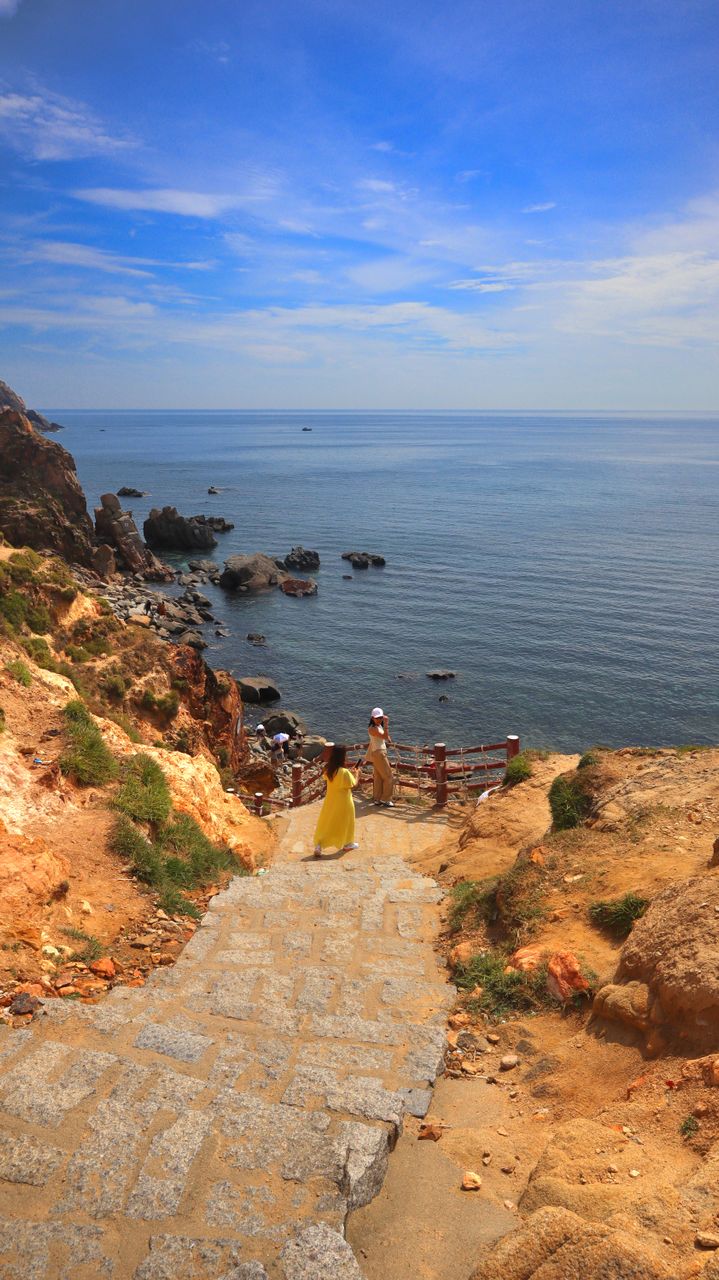
2. Eo Gio — The Cliff Walk That Surprised Me
Eo Gio is a curved inlet about 5 km past Ky Co, framed by huge granite cliffs. There’s a paved walkway that hugs the cliff edge for about 1.5 km, with sweeping views back over the bay. Honestly, I went expecting a generic viewpoint and ended up walking it twice. The waves hitting the rocks below are louder than they look.
It costs almost nothing to enter — about 30,000 VND per person. Go in the late afternoon if you can: the cliffs turn orange and the crowd thins out. Bring water; the sun is brutal and there’s almost no shade along the walk.
Where: Nhon Hai commune, follow signs past Ky Co
Price: 30,000 VND entry
Time needed: 1 – 1.5 hours for the full loop
Best for: Photography, sunset views, a quieter half-day after Ky Co
3. Twin Cham Towers — 12th-Century Hindu Ruins in the Middle of Town
Most people come to Quy Nhon for the coast and skip the culture. That’s a mistake. The Twin Cham Towers (Thap Doi) are two brick temples built by the Cham people around the 12th century, sitting on a small hill in the western part of the city. They’re some of the best-preserved Cham ruins in Vietnam — and you can usually have them to yourself.
There’s no entry fee. The towers are about 3 km from the main beach, easy to reach by Grab or motorbike. The small museum next door is in Vietnamese only but worth a quick look. If you’re into Cham history, the Binh Dinh province has more Cham sites than anywhere else in Vietnam — Phuoc Loc, Canh Tien, the whole lot.
Where: 17 Tran Hung Dao, Dong Da ward, Quy Nhon
Price: Free
Hours: 7am – 11:30am, 1:30pm – 5:30pm
Time needed: 45 minutes to an hour
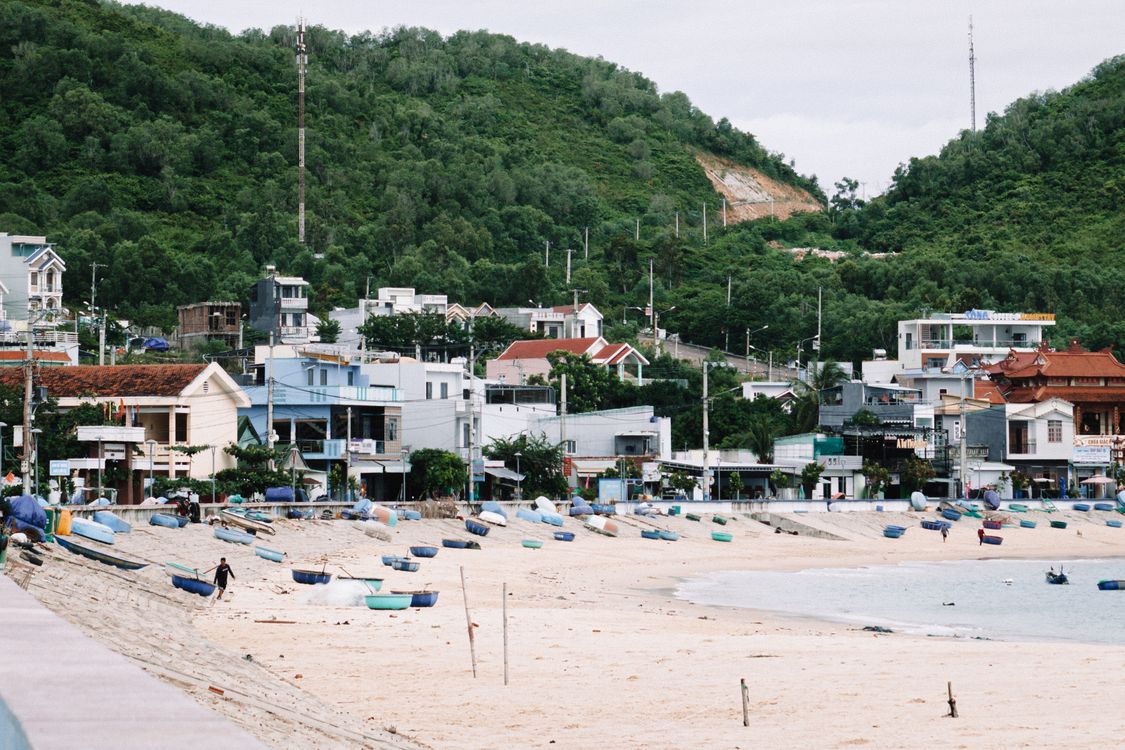
4. Bai Xep — The Quiet Fishing Village Where Time Stops
Bai Xep is a tiny fishing village about 16 km southeast of Quy Nhon. It’s where Graham Layton — the Australian writer of The Ten Thousand Things — lived, and where much of his memoir is set. The beach is short, the boats are colorful, and the seafood restaurants along the sand are some of the best you’ll find anywhere on the central coast.
There’s not much to “do” here, which is the point. Walk the beach, eat at one of the shack-style restaurants, watch the boats come in around 4pm. Stay overnight at Life’s A Beach or Casa Marina if you can — both are tiny boutique places right on the sand.
Where: Bai Xep, Phuoc My commune, ~16 km south of Quy Nhon
Price: Free to walk around; lunch 150,000 – 300,000 VND per person
Best for: Slowing down, fresh seafood, photography

5. Phuong Mai Sand Dunes — Mini Sahara, Five Minutes From the Beach
If you’ve been to Mui Ne and loved the sand dunes there, you should know Quy Nhon has its own version — just smaller, less crowded, and a five-minute motorbike ride from Ky Co beach. Phuong Mai is a stretch of white sand dunes you can slide down on plastic boards rented from the local kids (50,000 VND for about 20 minutes of sliding).
It’s not a full-day excursion. Most people combine it with the Ky Co / Eo Gio half-day tour. The light at sunset turns the sand golden — best photo opportunity in the area, hands down.
Where: Nhon Ly commune, near the road to Ky Co
Price: Free entry; 50,000 VND for plastic board rental
Best for: 30 minutes of fun, golden-hour photos
6. Quy Nhon Food Street — Seafood That’s Actually Worth the Trip
Quy Nhon is famous in Vietnam for one thing above all else: seafood. And the central place to eat it is Quy Nhon Food Street (Phố Ẩm Thực) — a pedestrian strip about 200 meters long, packed with around 50 small seafood stalls. Every table has a guy grilling something. The air smells like garlic, fish sauce, and sugar. It’s perfect.
Order the local specialties: grilled squid with chili salt, steamed clams with lemongrass, tôm hùm (lobster) if you want to splurge, and bánh xèo — small crispy pancakes stuffed with shrimp and bean sprouts. A full seafood feast for two with beer costs around 400,000 – 700,000 VND. The same meal in Nha Trang would be 2 million.
Where: Nguyen Hue street, near the Quy Nhon night market
Price: 150,000 – 350,000 VND per person for a full meal with drinks
Hours: 4pm – 11pm daily
What to order: Grilled squid, tôm hùm, bánh xèo, sea snails with chili
7. Cu Lao Xanh — The Island Day Trip Most People Miss
Cu Lao Xanh is a small island about 24 km offshore from Quy Nhon. It has a fishing village, two lighthouses, and some of the clearest water you’ll swim in anywhere on the Vietnamese coast. Almost no foreign tourists make it out here — it’s mostly Vietnamese day-trippers on weekends, and basically empty on weekdays.
Boats leave from Quy Nhon harbor in the morning and come back in the late afternoon. The crossing takes about 90 minutes and can be rough if the wind picks up, so check the weather the day before. Once there, rent a motorbike to circle the island, swim at the main beach, and eat at one of the family-run seafood spots on the pier.
Where: Departs from Quy Nhon harbor
Price: 500,000 – 800,000 VND for a full-day trip including boat, lunch, motorbike rental
When to go: Weekdays if you want it empty; weekends for a more social vibe
8. Ham Ho Hot Springs — A Jungle Reset, 50 Minutes Out of Town
Most visitors to Quy Nhon never leave the coast, which is a shame because about 50 km northwest of the city, there’s a system of natural hot springs set in low jungle. Ham Ho has been a local getaway for decades — warm mineral pools, river bathing, and decent bungalows if you want to stay the night.
It’s a good half-day excursion. Drive or motorbike out in the morning, soak for an hour, eat lunch at the on-site restaurant, drive back. The water is genuinely warm — around 40°C at the source — and the setting is properly green. Locals have known about it for years — it just stays off the foreign-tourist radar.
Where: Phuoc Hoa commune, Tuy Phuoc district, ~50 km northwest of Quy Nhon
Price: 100,000 – 200,000 VND for a day pass including pool access
Best for: Half-day escape from the city heat
9. Surf Quy Nhon — A Surprising Beginner Surf Scene
Here’s something not many people know: Quy Nhon has a small but real surf scene. The main beach in the city center gets small but clean waves from about June to August — perfect for beginners. There’s at least one surf school (Viet Sense Surf School) that rents boards and runs lessons for around 600,000 VND for two hours, including the board.
I’m not a great surfer. Took a lesson in July on a friend’s recommendation and managed to stand up maybe four times in two hours. The waves are gentle, the water is warm, and there’s almost nobody else in the lineup. Compared to the packed beginner beaches in Da Nang, it’s a completely different vibe.
Where: Main Quy Nhon beach, in front of the seawall
Price: 600,000 VND for a 2-hour beginner lesson with board
When to go: June – August for the cleanest waves
Skill needed: None — total beginners welcome
10. The Quy Nhon Night Market — Loud, Crowded, and Exactly Right
Most Vietnamese cities have a night market. Quy Nhon’s (Chợ Đêm Quy Nhơn) is small by comparison — a few blocks of stalls selling clothes, phone accessories, cheap toys, and grilled snacks. But it’s local. You’re not going to find anyone speaking English here, which is exactly the point.
Go for the food. Try bánh tráng nướng (grilled rice paper pizza), chè (sweet dessert soup), grilled corn with fish sauce, and skewers of everything from pork to quail eggs. A full eating tour of the night market costs about 100,000 VND per person. Don’t bother with the clothes unless you need a Vietnam football jersey.
Where: Nguyen Hue street, near the food street
Hours: 5pm – 11pm daily
Price: 50,000 – 150,000 VND per person for street food
What to skip: The branded counterfeits — quality is hit-or-miss
Getting to Quy Nhon — The Honest Version
This is the part nobody tells you upfront: Quy Nhon is harder to reach than other Vietnamese beach towns. No international airport, no high-speed rail yet, and limited flight options. Here’s the actual breakdown:
By Air
The nearest airport is Phu Cat (UIH), about 30 km from the city center. There are direct flights from HCMC (1h15, from around 600,000 VND one-way with Vietnam Airlines or VietJet), Hanoi (1h40, from around 1,200,000 VND), and Da Nang (45 minutes). No direct international flights — most travelers connect through HCMC or Hanoi.
By Train
The Reunification Express stops at Quy Nhon station. From HCMC it’s about 12-13 hours; from Hanoi it’s around 18-20 hours. Sleeper berths run 600,000 – 1,200,000 VND depending on the class. Not fast, but scenic and cheap.
By Bus
Phuong Trang (Futa) runs sleeper buses from HCMC to Quy Nhon, about 11-12 hours, 350,000 – 500,000 VND. Not for everyone, but the buses are actually decent — flat beds, A/C, decent drivers. Most travelers fly.
If you’re landing at Phu Cat and need to get into the city, our HCMC airport transfer page covers the standard pickup options. For Quy Nhon itself, Grab works in the city but doesn’t run to most of the out-of-town spots — you’ll want to negotiate a motorbike or car rental through your hotel.
When to Go — Quy Nhon’s Weather in 2026
Quick version: dry season runs January to August. Wet season runs September to December. The peak sweet spot is May to August, when the sea is calm and the rain is minimal. Avoid September – November if you can — typhoons can hit this stretch of coast, and Quy Nhon has flooded before.
- January – April: Dry, cooler (24 – 28°C), good for hiking and city exploring. Sea can be a bit choppy.
- May – August: Peak season. Hot (30 – 34°C), sunny, calm sea, perfect for Ky Co and Cu Lao Xanh. This is when I went.
- September – December: Wet season. Heavy rain, possible typhoons, some tours to islands get cancelled.
Where to Stay — Three Tiers That Actually Work
- Budget (under 800,000 VND / night): The My Hotel, Green Hotel Quy Nhon. Clean, central, A/C, walking distance to the beach.
- Mid-range (800,000 – 2,500,000 VND): Avani Quy Nhon Resort (4-star, beachfront, good pool), Fleur de Lys Hotel. The sweet spot for most travelers.
- Boutique / luxury (2,500,000+ VND): Anantara Quy Nhon Resort (private villas on a quiet cove), Life’s A Beach Bai Xep (tiny boutique on a fishing village beach).
Before You Go
- Bring cash. Most local restaurants, the night market, and even some mid-range hotels don’t take cards. ATMs are common in the city center though.
- Download Grab before you arrive — it works for trips inside the city, and English-speaking drivers are easy to find.
- Book Ky Co and Cu Lao Xanh tours at least a day ahead in July and August. They sell out, especially on weekends.
- Pack reef shoes. The rocky bits at Ky Co and around Cu Lao Xanh can be sharp on bare feet.
- Sun protection is non-negotiable. The UV here is brutal from May to August. Hat, sunscreen, long sleeves for the boat rides.
FAQs — What Travelers Are Actually Asking
Is Quy Nhon worth visiting?
If you like beaches without crowds and seafood at local prices, yes. If you want nightlife, shopping malls, and a big resort scene, no — go to Da Nang or Nha Trang instead. Quy Nhon is for travelers who want the coast without the show.
How many days do I need in Quy Nhon?
Three days covers the main highlights: one day for Ky Co / Eo Gio, one day for Cu Lao Xanh or Ham Ho, one day for the city, food street, and Twin Cham Towers. Four days is better. Less than two and you’ll feel rushed.
Is Quy Nhon safe for tourists?
Yes. It’s a small, quiet city. Petty crime is lower than HCMC or Hanoi. The main thing to watch is the sun and the sea — rip currents can be strong at some of the less-developed beaches. Stick to the main swimming areas.
Can I do Quy Nhon as a day trip from Da Nang or Nha Trang?
Technically yes, but you’d waste most of the day driving. Quy Nhon is 5+ hours by road from either city, with no high-speed rail. Fly in if you can, or stay overnight.
Do I need a visa for Vietnam?
Most travelers do. The AN Tours visa service handles e-visas in 3-5 working days, with urgent options available if you’re flying in the next week.
If You’re Exploring Central Vietnam Further
Quy Nhon sits between Da Nang (about 5 hours north) and Nha Trang (about 4 hours south). If you’re planning to keep moving up the coast, Da Nang and Hoi An are obvious next stops — and a bit further north, the old imperial capital of Hue is worth at least two days. For a local-led experience in Hue, we regularly recommend MIA Hue Tours — they run the kind of small-group trips that get you into the citadel, the tombs, and the local food scene without the tourist crowds.
The Short Version
Quy Nhon is what Vietnam’s coast looked like 15 years ago — before Da Nang got the international airport, before Nha Trang got the cable car, before Phu Quoc got the crowds. The water is genuinely turquoise, the seafood is genuinely cheap, and you can have entire beaches to yourself in July if you time it right.
It’s not the easiest place to reach. But that’s part of the point. If you’re tired of the well-trodden Vietnam itinerary and want a coast that still feels like a discovery, Quy Nhon is it.
Coming from HCMC? Most travelers fly. If you need a reliable pickup at Tan Son Nhat, our HCMC airport transfer service covers the standard options. And if you want to make a full Central Vietnam loop — Quy Nhon up to Hue — drop us a line. We’ve been running this route for years and can put together something that actually fits your dates.
Need help planning the rest of your Vietnam trip? Reach us at WhatsApp/Zalo: +84 70 6666 520.


Content summary
Other blogOther blog
Related blogs

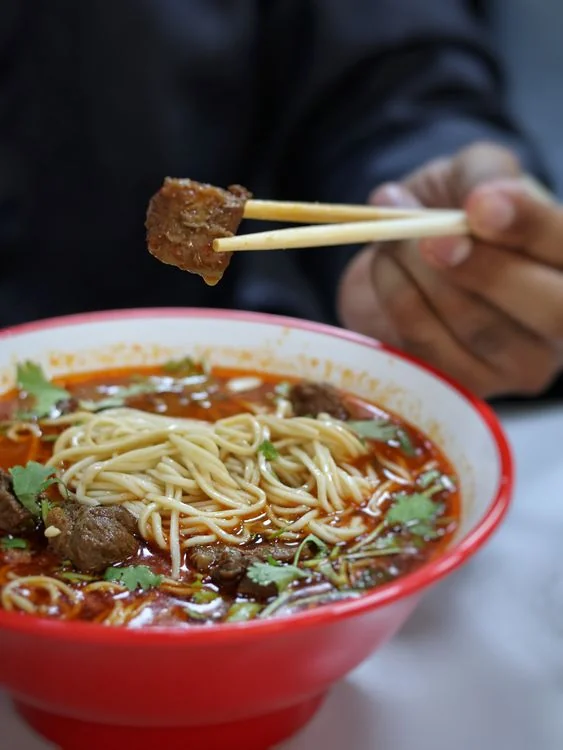
What to Eat in Hue — 10 Dishes Locals Actually Eat
Hue is Vietnam’s food capital and criminally underrated. Here are 10 dishes locals actually eat — where to find them and what they cost.
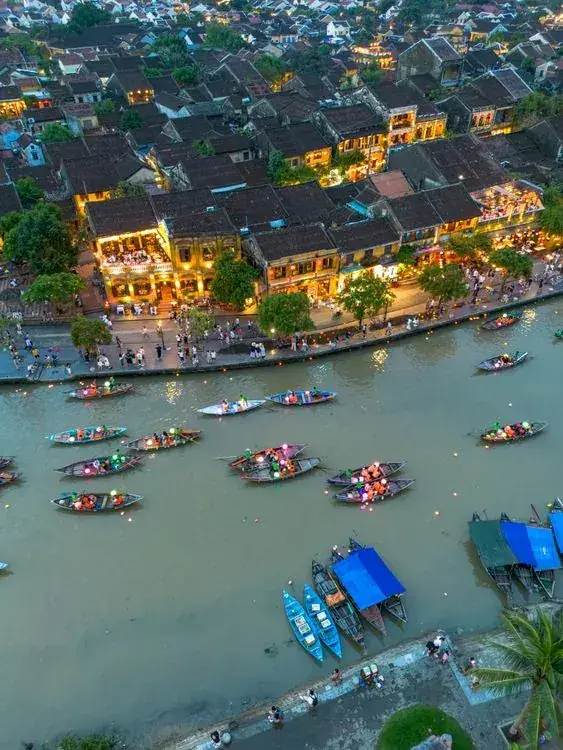
Where to Stay in Hoi An — Best Areas & Hotels for Every Budget
Old Town or the beach? Here’s the honest breakdown of every Hoi An neighborhood — what each one is like, who it suits, and real hotels at real prices.
10 Best Things to Do in Ben Tre — Coconut Canals, Sunset Birds & Real Mekong Life
Only 85km from Saigon, Ben Tre is the Mekong at its most authentic. Here are 10 things to do — coconut canals, warm candy, sunset storks and food worth the drive.