






Shibuya Red Light District: Where Love Hotel Hill Actually Is
Shibuya’s “Love Hotel Hill” refers to a small area near Dogenzaka and Maruyamacho—not the whole district. Here’s how the local names and current public-space rules fit together.
When travelers search for a “Shibuya red light district,” they usually mean the compact cluster around Dogenzaka and nearby Maruyamacho, often nicknamed Love Hotel Hill. It is a small part of the west side of Shibuya Station—not a label for the whole ward, the famous crossing, or everyone who goes out in Shibuya.
Where The Name Points
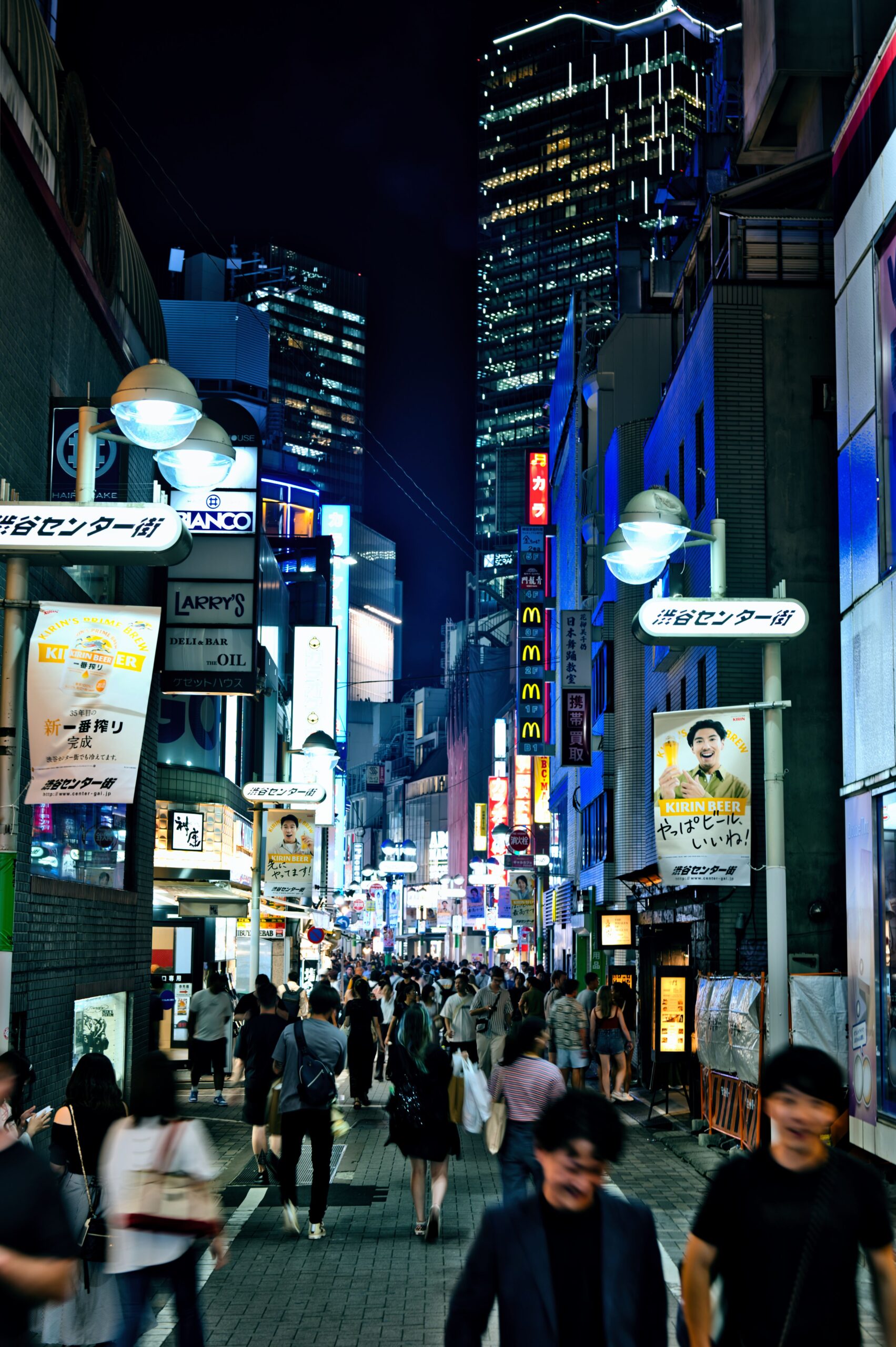
Start at Shibuya Station and look toward the uphill streets on its west side. Dogenzaka is both the name of a real commercial area and the slope rising from the station. Maruyamacho sits beside it. “Love Hotel Hill” is an informal nickname used for a smaller set of lanes in this vicinity; it is not a separately governed district with an official border.
That distinction matters on a map. Search results can make the phrase sound like a large, self-contained zone. In practice, you are looking at a mixed city neighborhood with shops, restaurants, music venues and hotels, not a separate quarter that replaces Shibuya’s better-known destinations. Do not use the nickname to make assumptions about a particular building or the people walking past it.
Shibuya Is Much Wider Than This Pocket
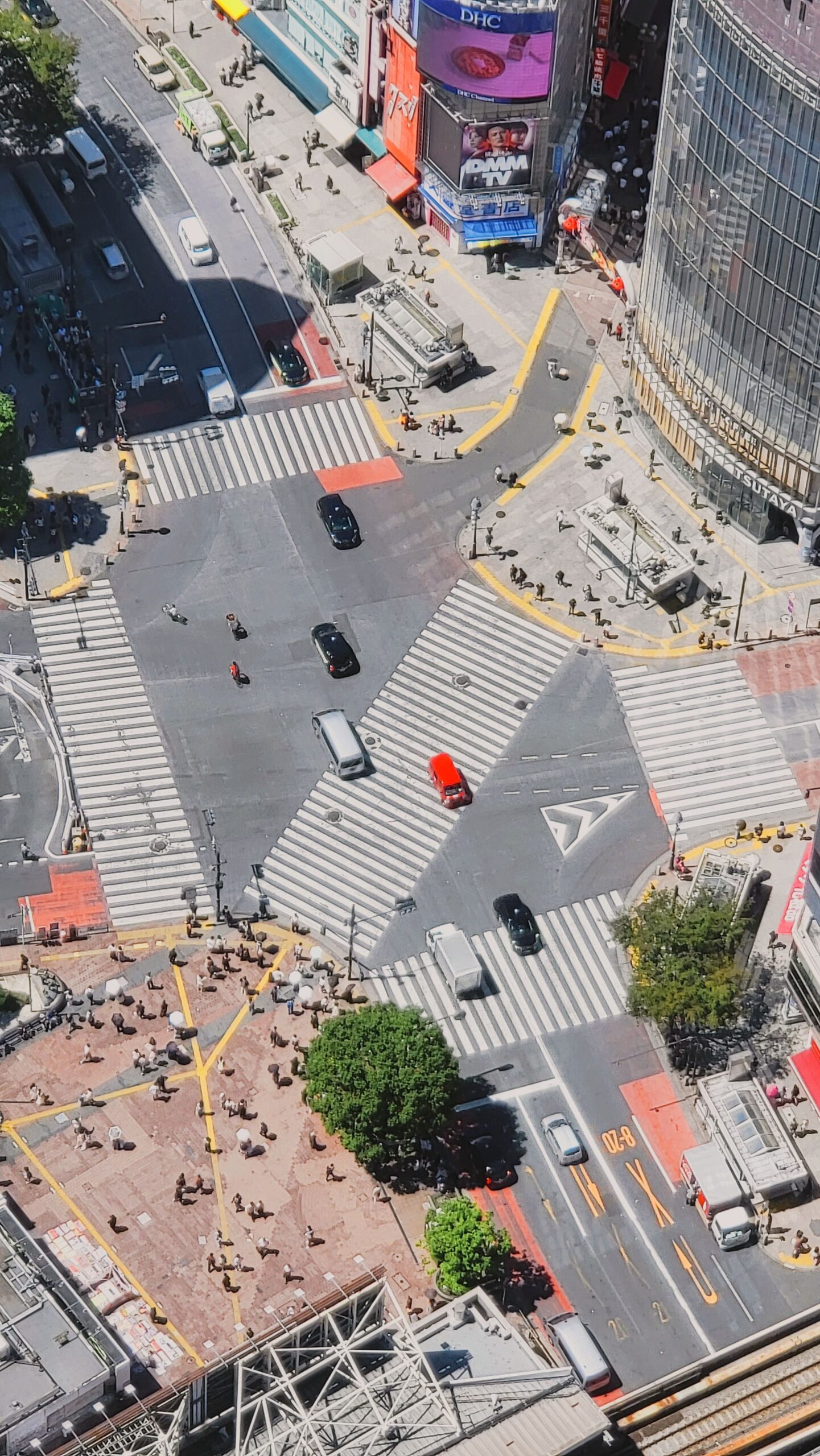
The scramble crossing, Center-gai, fashion stores and station-area landmarks are part of the wider Shibuya experience. The official Tokyo travel guide also points visitors toward Shibuya’s arts and music scene, including live-music venues in Udagawacho and Maruyamacho. Those public cultural districts overlap with ordinary shopping and dining streets; a nightlife reputation does not turn every nearby street into an adult-entertainment area.
If your plan is simply to see the crossing, shop, find dinner or listen to live music, you do not need to seek out Love Hotel Hill. Choose the street or venue that matches your plans. If you are curious about the label, treat it as neighborhood context rather than an invitation to photograph private entrances, approach strangers or assume what a business offers.
A Public-Space Rule To Know Before You Go
Shibuya City’s current ordinance prohibits drinking alcohol in public places from 6 p.m. to 5 a.m. year-round within the designated Shibuya Station-area streets and parks. The city says the expanded rule took effect on 1 October 2024 and links an official map and English-language poster. Check that map for the boundary: it is not accurate to describe the rule as covering every street in all of Shibuya Ward.
The city also promotes a separate ward-wide “zero nuisance street drinking” effort. That broader campaign is not the same thing as the ordinance’s mapped prohibition area. For a night out, follow posted signs, use licensed indoor venues for drinks and do not assume that a spot just beyond one boundary is free of other local rules.
The official GO TOKYO guide describes Shibuya Station as a major interchange served by JR, Keio, Tokyu and Tokyo Metro lines. Use the station’s current maps to choose the exit that fits your destination; the street names above are more useful than searching for a single entrance to a supposed “district.”
One Nearby Landmark Has Changed
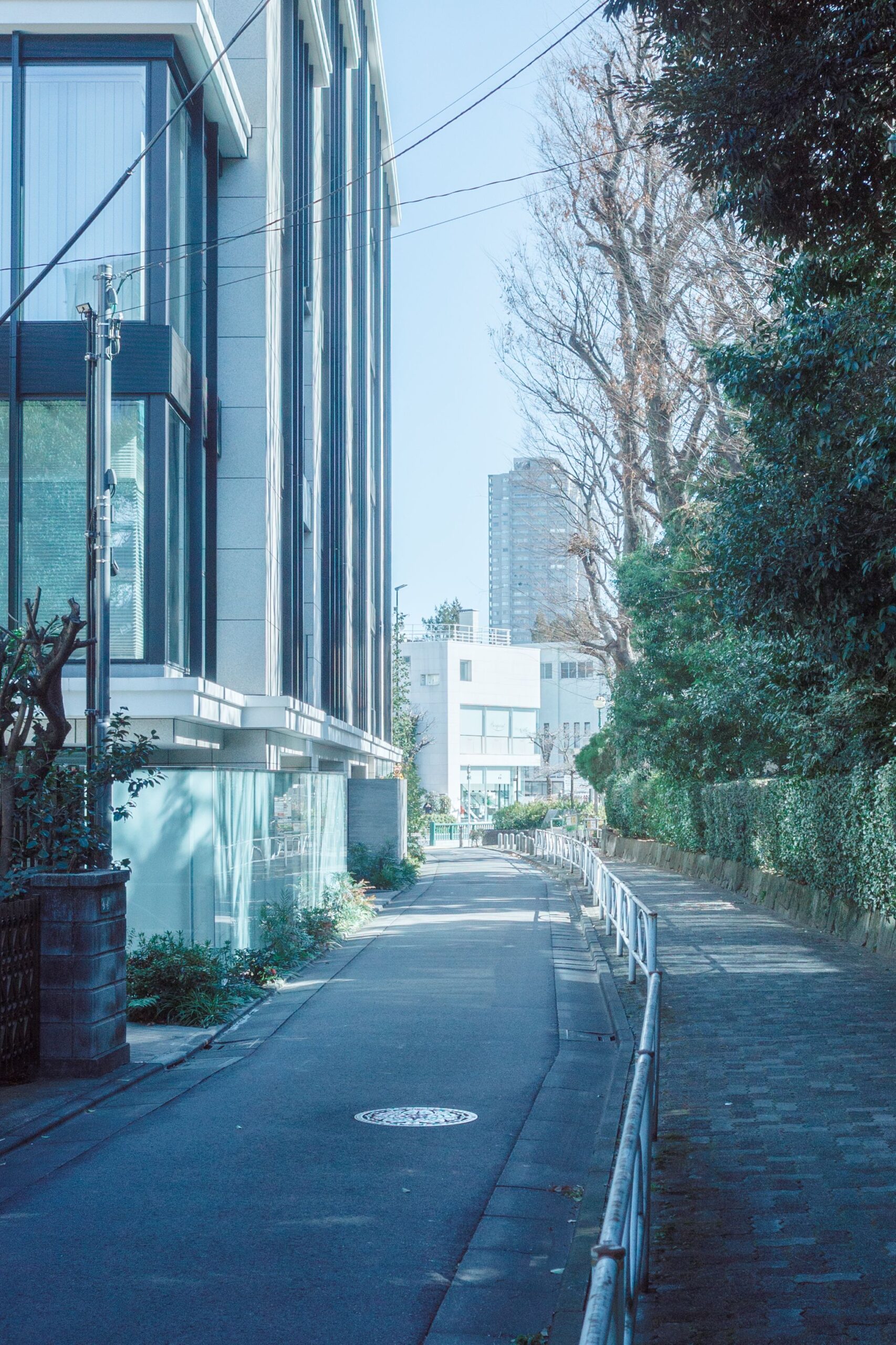
If you are adding a cultural stop to the same outing, check its own operating information rather than relying on an old neighborhood itinerary. In a notice updated 9 September 2026, the Dogenzaka shopping-street association describes redevelopment at the former Tokyu Department Store/Bunkamura site and separately notes that Orchard Hall is operating on Sundays and public holidays. The details are venue-specific and can change; confirm the performance schedule with Bunkamura before setting out.
Keep The Areas Separate In Your Plans
Shibuya’s small Dogenzaka–Maruyamacho pocket is not Kabukicho, which is a different neighborhood in Shinjuku. The practical answer here is local: find the west-side station streets by name, check the city’s mapped drinking area, and choose public venues for the evening you actually want.
Sources: Shibuya City’s designated public-space drinking rule and map; GO TOKYO’s Shibuya destination and transport guide; Dogenzaka shopping-street association’s current venue notice.


Content summary
Other blogOther blog
Related blogs

What to Eat in Hue — 10 Dishes Locals Actually Eat
Hue is Vietnam’s food capital and criminally underrated. Here are 10 dishes locals actually eat — where to find them and what they cost.
Where to Stay in Hoi An — Best Areas & Hotels for Every Budget
Old Town or the beach? Here’s the honest breakdown of every Hoi An neighborhood — what each one is like, who it suits, and real hotels at real prices.
10 Best Things to Do in Ben Tre — Coconut Canals, Sunset Birds & Real Mekong Life
Only 85km from Saigon, Ben Tre is the Mekong at its most authentic. Here are 10 things to do — coconut canals, warm candy, sunset storks and food worth the drive.