






Shinjuku Red Light District: Which Side of the Station?
Kabukicho is only part of Shinjuku. Compare the station sides and nearby subway stops before choosing a hotel or planning your evening.
In Shinjuku, the red-light-district label refers to Kabukicho, not the whole area around Shinjuku Station. The entertainment neighborhood is on the station’s east side, alongside a much wider district of shops, restaurants, offices and hotels. A booking address that says “Shinjuku” does not, by itself, tell you whether you will be staying in Kabukicho.
For a hotel decision, look at three things together: the building’s exact location, the station you will actually use, and the street between them. That is more useful than accepting or rejecting Shinjuku as one enormous nightlife zone.
Kabukicho is one part of the picture
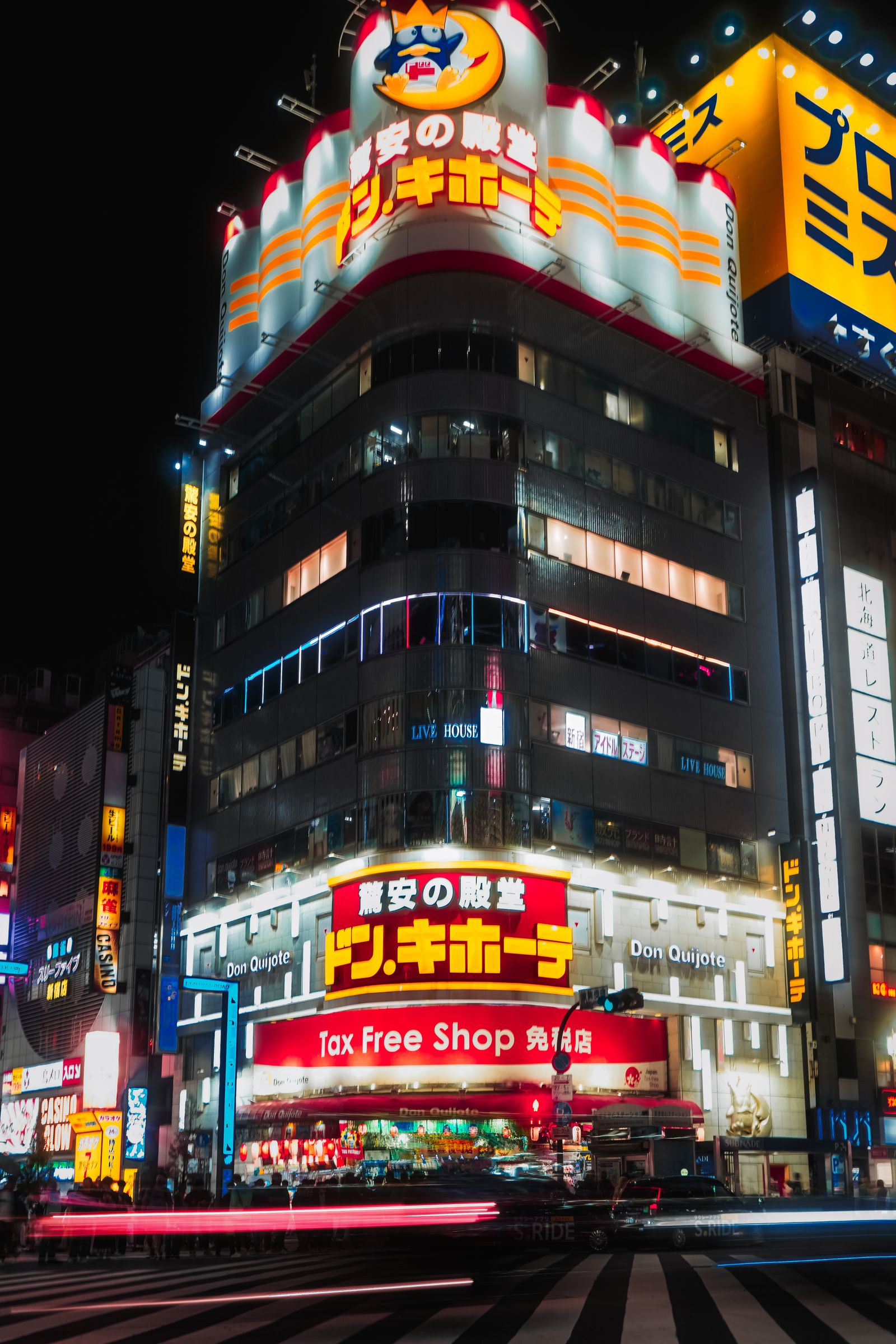
Kabukicho contains adult-oriented businesses, but also ordinary restaurants, karaoke, hotels and cinemas. The Tokyo Metropolitan Police describe that mixture in their area guidance. Neither a bright sign nor an address inside Kabukicho tells you what a particular establishment does.
You can come to Shinjuku for dinner, shopping or a hotel without making adult entertainment part of the trip. Equally, choosing a Kabukicho hotel for its location does not remove the surrounding nightlife. If walking past those businesses would make you or your travelling companions uncomfortable, choose another part of the station area rather than relying on a hotel’s broad “central Shinjuku” description.
Read the station sides before the hotel listings
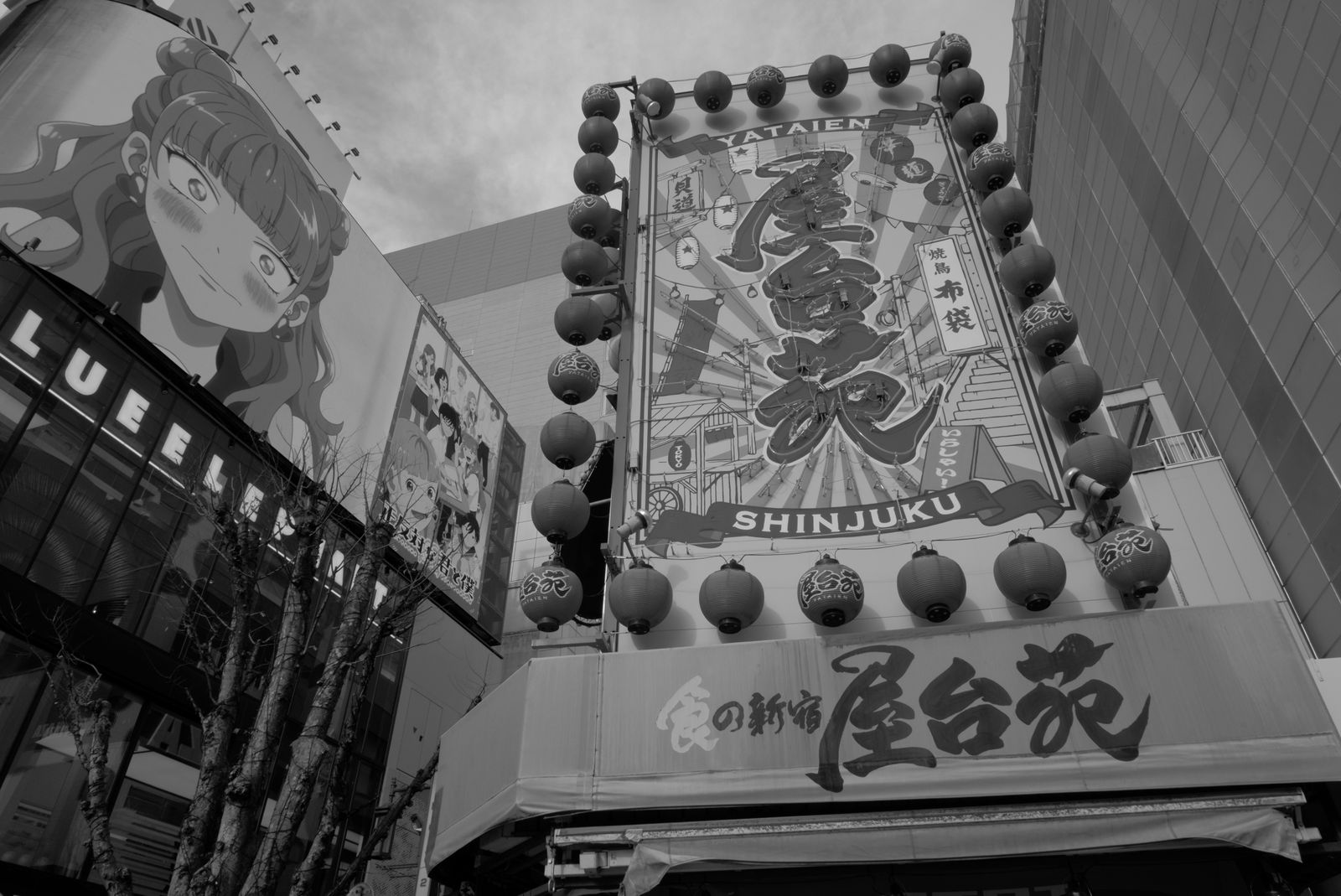
East: shopping streets and the approach to Kabukicho
The east side is the starting area for much of Shinjuku’s shopping, dining and entertainment. Kabukicho is part of that wider east-side setting, not the name of every shopping street. A hotel here can suit a trip built around evening meals and entertainment, but check whether its entrance is on your intended walking route rather than merely close to a landmark on the map.
Do not use “east side” as a room-noise rating. Street-facing rooms, different floors and different buildings can produce different stays. Ask the property about the room you are booking; a general neighborhood recommendation cannot establish its sound insulation.
West: the Nishi-Shinjuku business district
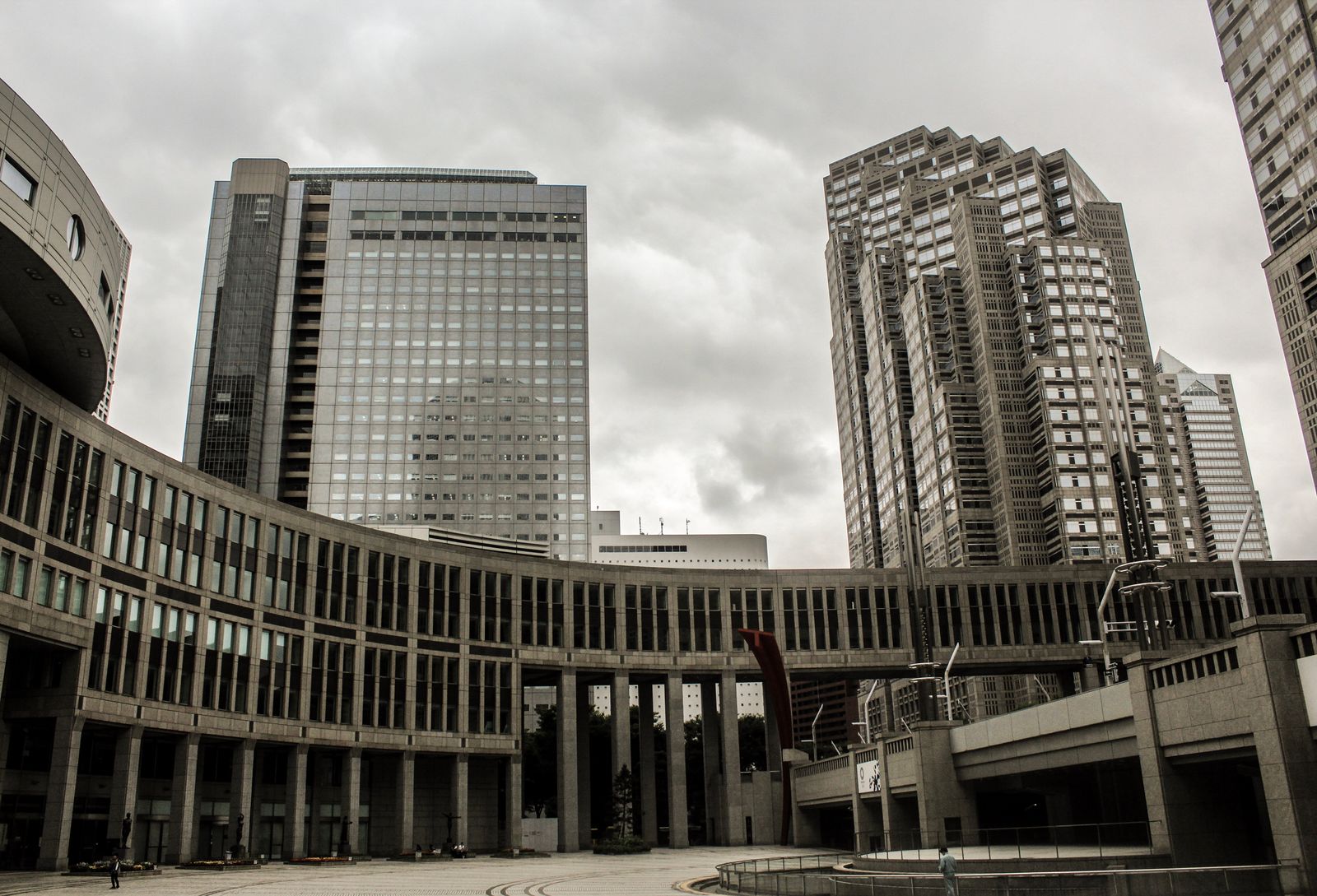
West of the station, Nishi-Shinjuku is identified by its skyscrapers and the Tokyo Metropolitan Government Building. This is a different setting from the concentrated entertainment streets of Kabukicho. Start your accommodation search here if avoiding that nightlife frontage matters more than being next to it.
The trade-off is still the actual journey: an office-district address does not guarantee a short walk from your train. Compare the hotel’s own access instructions with the route you expect to use, especially if you will arrive with luggage or need lifts.
South: useful when the bus terminal matters
The south side has the Shinjuku Expressway Bus Terminal and shopping complexes such as NEWoMan. If a coach journey is part of your trip, include this side in the comparison instead of assuming that the East or West Exit is always your arrival point. Check the stop on your ticket: the existence of a major terminal does not mean every bus uses it.
A nearby subway station may be the better reference
Several separately named stations serve the Shinjuku area. GO TOKYO lists Seibu-Shinjuku, Shinjuku-Nishiguchi and Shinjuku-sanchome as additional access points. They should not be treated as interchangeable labels for the same ticket gate.
For example, Tokyo Metro’s Shinjuku-sanchome station page identifies the Marunouchi and Fukutoshin lines, with station codes M09 and F13. A hotel’s access directions may point you there rather than to the large main Shinjuku station complex. Use the operator and station name together when checking a route.
This matters more than a headline walking time. A hotel advertised as a few minutes from a subway exit may involve a different approach from your arriving train. Send the property your arrival station or service and ask for the appropriate entrance, particularly if step-free access is important. Do not assume that the shortest line on a map is a route without stairs.
For an evening out, separate the walk from the invitation
Walking to a restaurant you have chosen is a different decision from following someone who approaches you in the street. The Metropolitan Police’s nightlife-district warning describes inflated bills, card fraud and drink-spiking associated with some tout-led venues. Their practical instruction is not to follow street hawkers.
Choose a place independently, check its terms before ordering, and keep control of your drink and payment card. A busy, illuminated street is not proof that every venue behind its doors is trustworthy. Avoid treating either dramatic online stories or blanket assurances as a safety guarantee for an entire district.
Before going out, check the final workable journey to your own accommodation. Shinjuku’s nightlife can continue after public transport finishes; there is no single last-train time that works for every line and connection. If you are staying locally, save the hotel’s actual entrance and walking route rather than a pin for “Shinjuku Station.”
If you are comparing different parts of the city rather than choosing a Shinjuku hotel, the Tokyo district overview separates Kabukicho from the other neighborhoods commonly discussed in nightlife guides.
Planning references: GO TOKYO’s Shinjuku area guide, Tokyo Metro’s station information and the Metropolitan Police guidance linked above. Neighborhood descriptions help orient a trip; individual hotel access, room conditions and transport times need checking for your booking.


Content summary
Other blogOther blog
Related blogs

What to Eat in Hue — 10 Dishes Locals Actually Eat
Hue is Vietnam’s food capital and criminally underrated. Here are 10 dishes locals actually eat — where to find them and what they cost.
Where to Stay in Hoi An — Best Areas & Hotels for Every Budget
Old Town or the beach? Here’s the honest breakdown of every Hoi An neighborhood — what each one is like, who it suits, and real hotels at real prices.
10 Best Things to Do in Ben Tre — Coconut Canals, Sunset Birds & Real Mekong Life
Only 85km from Saigon, Ben Tre is the Mekong at its most authentic. Here are 10 things to do — coconut canals, warm candy, sunset storks and food worth the drive.