






Pleiku for coffee, crater lakes and Jrai culture
Pair Bien Ho with Chu Dang Ya, eat Gia Lai’s two-bowl dry pho, and make time for the city’s pagoda and Jrai heritage. Phu Cuong needs a separate outing.
Pleiku offers a different highland trip from a beach holiday: Bien Ho’s lake views, the cultivated slopes of Chu Dang Ya, Jrai community heritage and coffee. The lake and volcano make a useful countryside pairing. Phu Cuong Waterfall is another direction, so a short stay calls for a choice rather than a longer checklist.
Leave some time in the city itself. Minh Thanh Pagoda, the markets and a meal of Gia Lai dry pho give the trip more context than driving from one viewpoint to the next.
Lake and volcanic country north of town
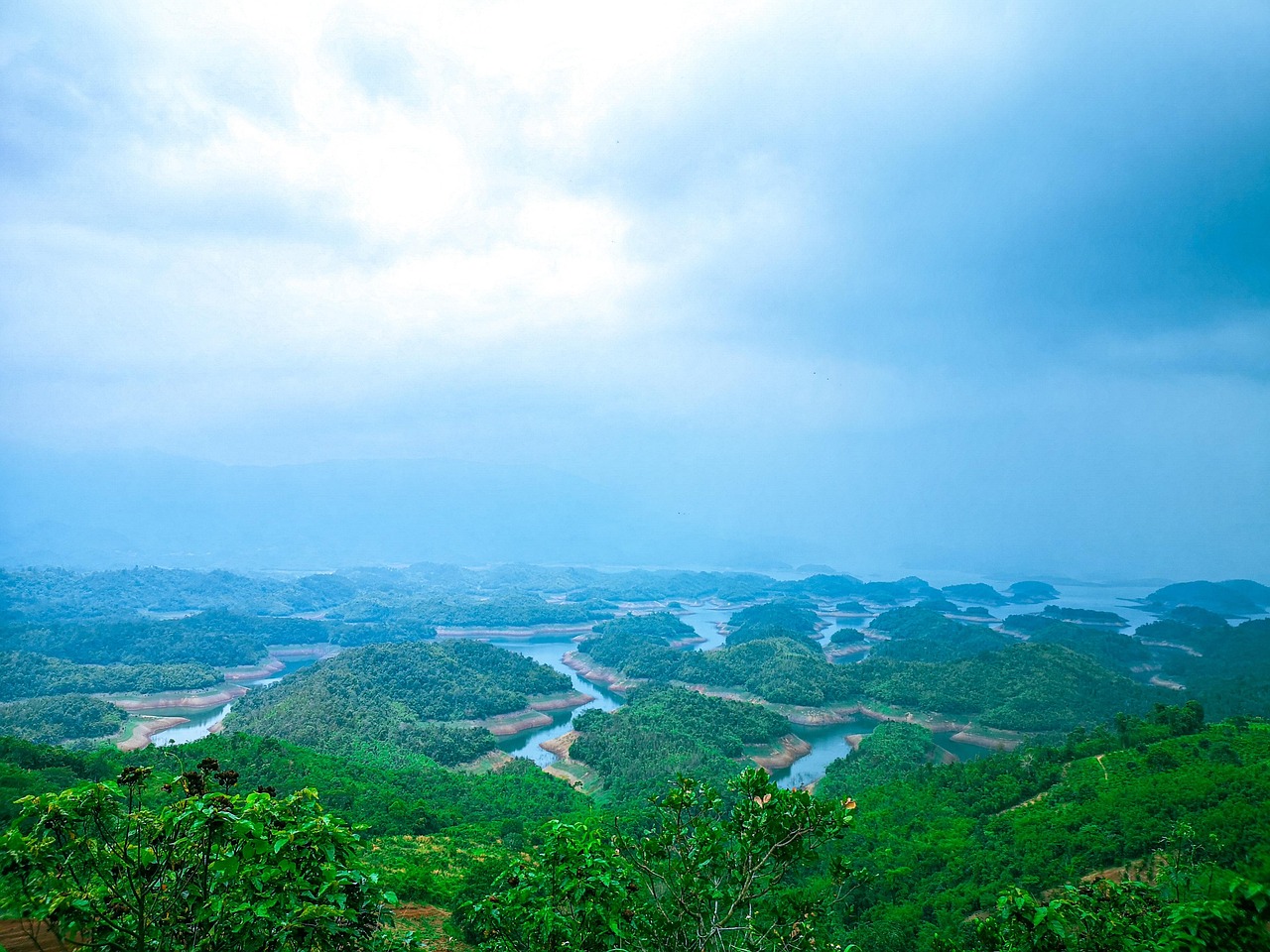
Bien Ho (T’Nung Lake)
Start here. Bien Ho — also called T’Nung Lake or the ‘Eye of Pleiku’ — is the classic highland view: water, pine-covered slopes, and a much quieter morning than you’ll get in Vietnam’s big cities. The national tourism authority places it about 7 km from Pleiku, so it works well as an early city-side outing.
Go before 8am if you want softer light and fewer people around the viewpoints. Walk slowly, take the road through the pine trees, and don’t treat the lake as a five-minute photo stop. The mood is the point.
The Vietnam National Authority of Tourism’s Bien Ho guide is useful for the basic geography. For the rest, leave room to just sit there.
Chu Dang Ya Volcano
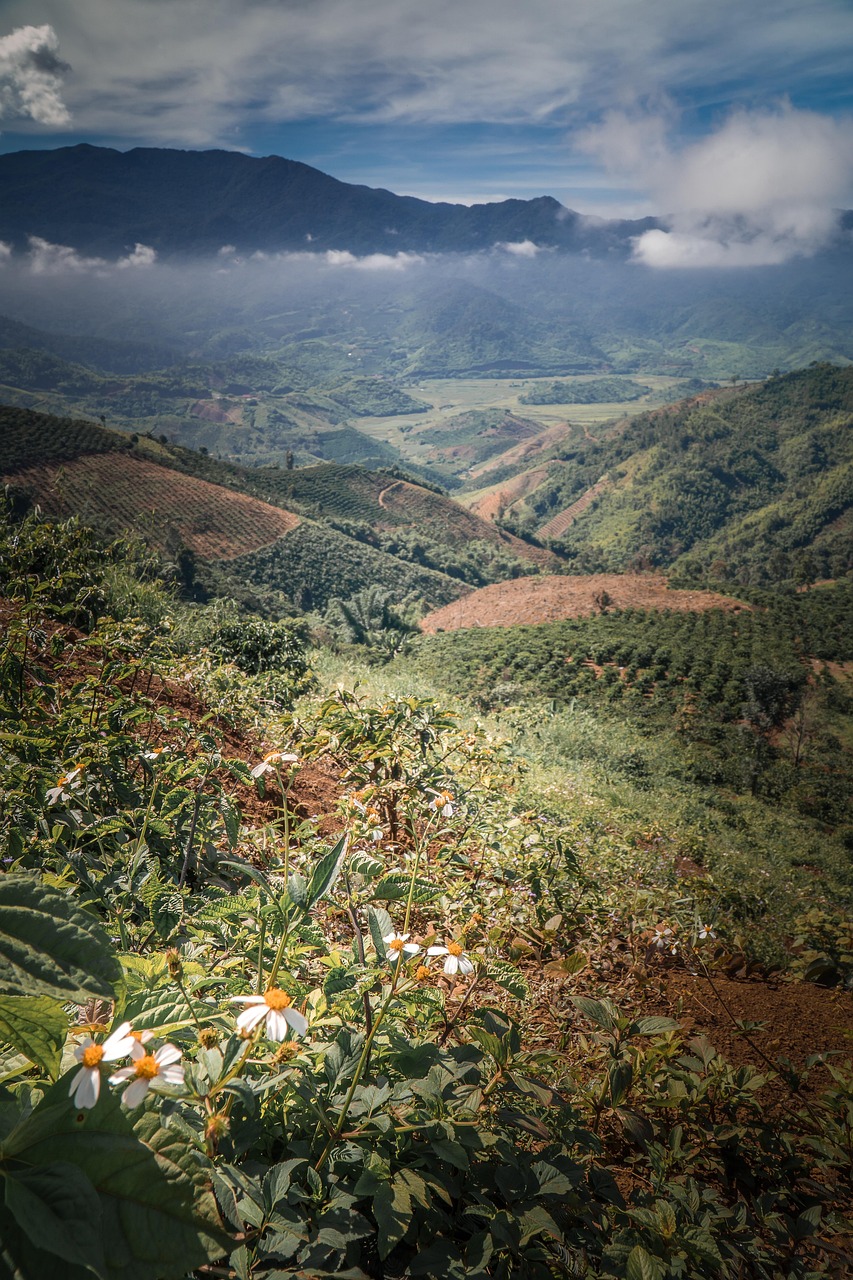
Chu Dang Ya is a long-extinct volcanic crater outside Pleiku, with fertile red soil and slopes that change character with the season. In the dry months, the surrounding countryside can turn yellow with wild sunflowers. At other times, the crops and green hills do the visual work.
This is the stop to pair with Bien Ho if you want a full countryside loop. Wear shoes with grip, bring water, and don’t assume the flower season will match a photo you saw online. November colour is a useful rule of thumb, not a guarantee.
Vietnam Tourism’s Gia Lai overview covers the lake, volcano and highland cultural context. Festival dates and flower timing still need to be checked for the particular visit.
Pagoda architecture and Jrai community life
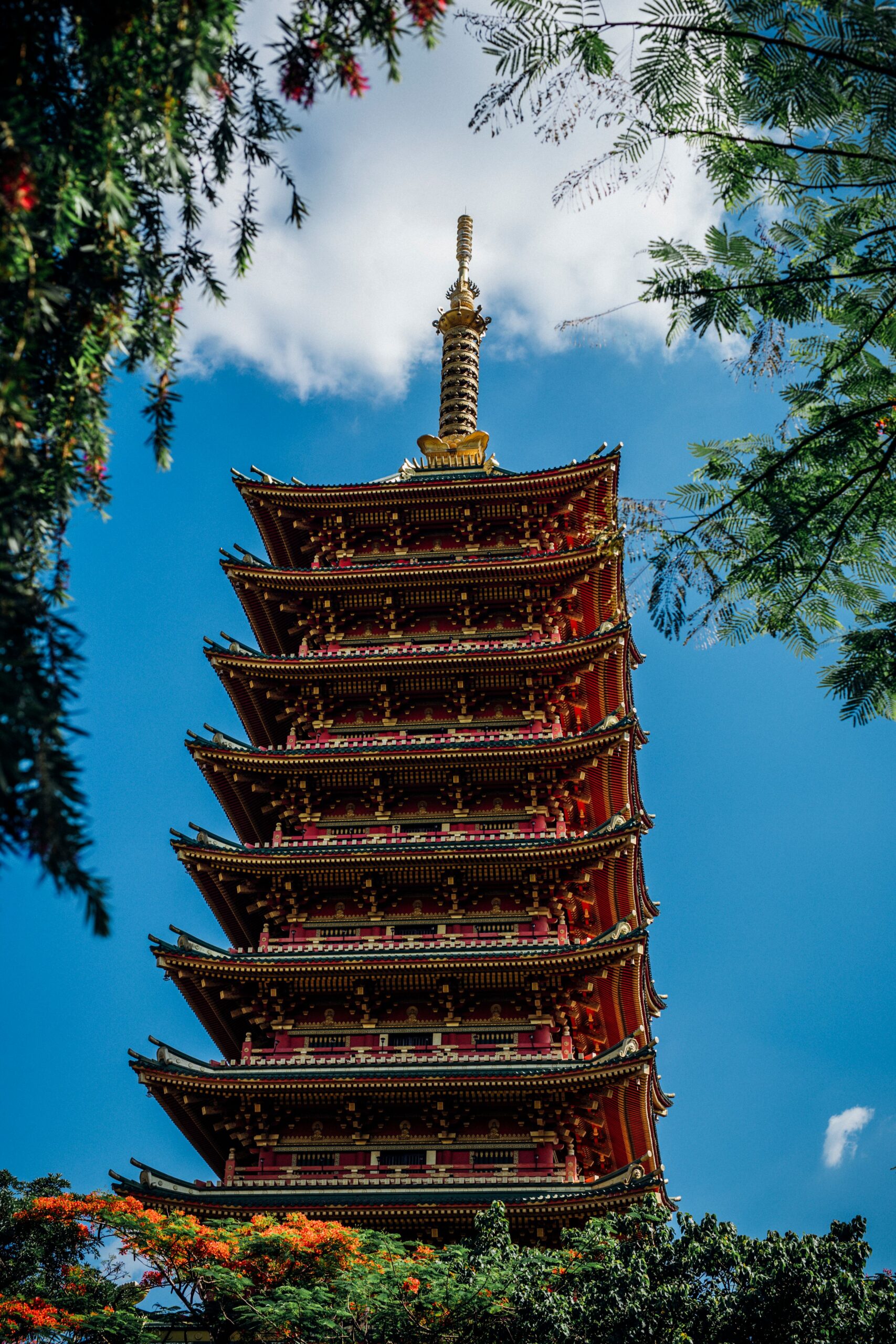
Minh Thanh Pagoda
Minh Thanh Pagoda brings the highlands back into the city. The rooflines, carved details, and layered tower are different from the French-colonial and modern architecture you’ll see in central Vietnam. It is a quiet stop, not a performance venue.
Dress respectfully, keep your voice down, and avoid turning the courtyard into a photo studio. Early morning is the easiest time to look around without getting in anyone’s way. The national tourism authority lists Minh Thanh as one of Pleiku’s major spiritual and cultural sites.
Plei Op Village and Rong Houses
Pleiku makes more sense when you look beyond the scenery. Plei Op is a Jrai village where you can see the communal rong-house tradition and get a better feel for the culture of the Central Highlands. The tall roof is the detail most visitors notice first, but the real value is understanding that the building belongs to community life, not just a tourist photo stop.
If a gong performance or village visit is being arranged, confirm the details in advance. Don’t wander into private homes or photograph people without asking. A little respect goes a long way here.
Eat and drink in Pleiku
Pleiku Central Market and Night Market
Markets are where Pleiku stops being a postcard and starts feeling like a real working city. Go to the central market during the day for produce, herbs, snacks, and the everyday rhythm of local shopping. The night market is better for a loose dinner rather than a formal meal.
Bring small cash and point at what you want if the language gap gets awkward. Try a little, then try something else. This is not the place for a carefully curated tasting menu — and that’s exactly why it works.
Gia Lai Dry Pho and Grilled Chicken
Gia Lai dry pho comes in two bowls: seasoned noodles in one, hot broth in the other. Mix as you go. It is richer and more textural than the pho many visitors know from Hanoi or Saigon.
Add grilled chicken with bamboo rice if you’re hungry. The local style leans smoky, salty, and herbal. For another Central Highlands food stop, you can pair this route with our Buon Ma Thuot guide — coffee culture and highland food make a natural two-city extension.
Coffee on the Highland Plateau
Pleiku coffee isn’t just a drink to grab between attractions. It is part of the landscape: red soil, farms, small local cafés, and the slow drip of a phin filter. Order it black first. Then try it with condensed milk if you want the full Vietnamese version.
March is a particularly good month for coffee blossom scent, according to Vietnam Tourism’s Gia Lai overview. If you visit outside that window, you still get the cafés and the farm country — just don’t promise yourself a white-flower season that isn’t there.
Is there time for Phu Cuong?
Phu Cuong Waterfall
Phu Cuong is the bigger commitment on this list. The waterfall sits out in the countryside, so it makes more sense with a driver or as part of a day trip than as a quick taxi run from the city. The reward is a broad cascade, forest, and a cooler change of scene after a morning on hot roads.
Check the weather before setting out. After heavy rain, paths can be slippery and water conditions can change. Pack sandals or shoes you don’t mind getting dirty. If you only have one day in Pleiku, choose Chu Dang Ya or Phu Cuong — trying to squeeze both in can leave you seeing neither properly.
Seasons and arriving in Pleiku
When to Visit Pleiku
The dry season runs roughly from November to April. Vietnam Tourism puts November to March in the sweet spot: cooler mornings, easier roads, coffee blossom season, and more festival activity. Wild sunflowers also show up around the highland winter period, though bloom timing shifts each year.
May to October is the wetter stretch. The plateau looks greener, but heavy showers can make waterfall and countryside days less predictable. If you travel then, keep one flexible day rather than locking every outdoor stop into a tight schedule.
For current route and fare details, check the Vietnam Airlines Pleiku route page before booking. Airfares and airport transfer prices move around.


Content summary
Other blogOther blog
Related blogs

What to Eat in Hue — 10 Dishes Locals Actually Eat
Hue is Vietnam’s food capital and criminally underrated. Here are 10 dishes locals actually eat — where to find them and what they cost.
Where to Stay in Hoi An — Best Areas & Hotels for Every Budget
Old Town or the beach? Here’s the honest breakdown of every Hoi An neighborhood — what each one is like, who it suits, and real hotels at real prices.
10 Best Things to Do in Ben Tre — Coconut Canals, Sunset Birds & Real Mekong Life
Only 85km from Saigon, Ben Tre is the Mekong at its most authentic. Here are 10 things to do — coconut canals, warm candy, sunset storks and food worth the drive.