






Hanoi Red Light District — What You Actually Need to Know (2026 Guide)
Hanoi’s red light scene is nothing like Bangkok or Amsterdam. Here’s the real deal — which streets are active, prices, scams, legal risks, and what to do instead.
Does Hanoi Even Have a Red Light District?
Short answer: There’s no official red light district in Hanoi. Vietnam doesn’t have anything like Amsterdam’s De Wallen or Bangkok’s Patpong — those legally recognized zones don’t exist here.
What Hanoi does have is a handful of streets where prostitution and adult services have clustered for years. Some have been around for decades. Others are newer, more discreet operations hiding inside karaoke bars and massage parlors.
The government knows about them. They’ve tried to shut them down multiple times. But the reality is — these areas still operate, just more quietly than before.
Tran Duy Hung — The Former Hotspot
Tran Duy Hung Street in Cau Giay District used to be the place. Back in the 2010s, it was notorious — women standing outside, waving at passing cars, negotiating prices right on the sidewalk. Locals called it “Hanoi’s Japan Street” because it reminded people of Tokyo’s red light areas.
But things changed. Around 2020-2022, the police launched a serious crackdown. Raids became frequent. The street girls disappeared from the sidewalks. Today, Tran Duy Hung has been classified as having “minimal activity.”
Does that mean it’s completely dead? Not entirely. Some activity moved online — Zalo and Facebook groups now facilitate what used to happen on the street. But the blatant street-level soliciting? Mostly gone.
Phan Dang Luu “Waving Street”
Phan Dang Luu Street in Yen Vien Town, Gia Lam District, is where the action moved. This street earned the nickname “Waving Street” for a reason — women literally wave at passing vehicles to get their attention.
It’s also called “Thailand Street” and “Happiness Triangle” (because of its location near Duong Bridge and National Highway 3). Unlike Tran Duy Hung, this area is still active. Even during the daytime, you’ll see women sitting outside dimly lit cafes, dressed to attract attention.
The setup is simple: you walk in, order a drink (or not), and negotiate. The cafes and massage parlors here are fronts — the real service happens off-site at nearby hotels. The owners keep their hands clean by claiming no responsibility once the woman leaves the premises.
Thanh Tri District — The Current Epicenter
If there’s one area that’s most active right now, it’s Thanh Tri District. The numbers tell the story:
| Type | Count |
|---|---|
| Karaoke bars (sensitive) | 51 |
| Massage parlors | 51 |
| Lodging facilities | 79 |
| Total sensitive businesses | ~300 |
On a single 50-meter stretch, dozens of women openly solicit customers. On another 100-meter stretch, massage parlors advertise “healthy” services — but everyone knows what that means here.
A standard massage runs 120,000 VND for 50 minutes. Extra services are negotiated on top of that. The police have been running awareness campaigns and forcing businesses to sign compliance agreements, but enforcement is patchy.
Other Areas Worth Knowing
The scene isn’t limited to three streets. Here are other areas where activity has been reported:
Quoc Oai District — About 20 km west of central Hanoi, Quoc Oai is known for “quick train” services — one-time encounters with local women. The area is scattered with red light cafes and the prices are among the lowest in the city. But there’s a reason for that — theft is a known problem here, especially targeting drunk or distracted customers.
Ha Dong District — This area plays a clever game. From the outside, everything looks like a regular coffee shop. Go inside though, and you’ll find dozens of women available for negotiation. The coffee is just a front. It’s a more discreet setup than the street-level soliciting you see in Thanh Tri or Phan Dang Luu.
Gia Lam District (main road) — Not to be confused with Phan Dang Luu (which is also in Gia Lam). This area runs along the main road and operates differently — women start gathering around 7 PM, sitting outside cafes, waiting to be approached. The scene builds as the night goes on and doesn’t wind down until early morning.
Dong Anh District — North of the Red River, Dong Anh is smaller and less frequented by foreigners. You’ll find a handful of red light cafes along the main strip, but the selection is more limited. Mostly local clientele here.
Curious how Hanoi compares to the rest of the country? Check our guides to the Saigon red light district, Da Nang red light district, and our overview of all three Vietnam red light areas.
Hanoi Red Light District — At a Glance
| Area | Status | Price Range (VND) | Risk Level | Best Time |
|---|---|---|---|---|
| Tran Duy Hung | Declining | 300k – 1M | Medium | Late evening |
| Phan Dang Luu | Active | 300k – 1.5M | Medium-High | Evening – late night |
| Thanh Tri | Very active | 120k – 800k | High | All day, peak evening |
| Quoc Oai | Active | 200k – 500k | High (theft) | Night |
| Ha Dong | Moderate | 200k – 600k | Medium | Evening |
| Dong Anh | Moderate | 200k – 500k | Medium | Evening |
The Scams You Need to Watch For
I’ll be straight with you — this scene is full of scams targeting foreigners. Here are the most common ones I’ve heard about from travelers over the years:
The Overpriced Drink — You sit down at a cafe, a girl joins you, orders an overpriced drink, and suddenly you’re looking at a 500,000 VND bill. The bouncers make sure you pay before leaving. I’ve personally had travelers tell me this happened to them in the Old Quarter — not even in the red light districts.
The Robbery Setup — You go to a hotel with someone you just met. While you’re distracted, an accomplice takes your wallet, phone, and passport. The worst part? You can’t go to the police because what you were doing is illegal. The scammers know this and exploit it.
The Fake Police — Someone posing as a police officer “catches” you in a compromising situation and demands a “fine” on the spot. Usually 2-5 million VND. Real police in Vietnam do NOT collect fines on the street — they take you to the station. This is always a scam.
Catfish on Dating Apps — You match with someone on Tinder. She’s attractive, speaks good English, and suggests meeting at a specific bar. You show up, order a drink, and suddenly a 600,000 VND bill appears. The girl disappears after you pay. The bar and the girl work together.
Is This Legal? (What Vietnamese Law Says)
Straight up: prostitution is illegal in Vietnam. The Law on Prevention and Suppression of Prostitution treats it as a social evil.
The penalties include:
- Fines: 500,000 to 5,000,000 VND for participating in prostitution
- Detention: Up to 3 months for repeat offenses
- Deportation: Foreigners caught engaging in prostitution can be deported and banned from re-entering Vietnam
- Criminal charges: Operating a prostitution ring or pimping can lead to 7 years to life in prison
These aren’t empty threats. Every year, foreign tourists are detained and deported for prostitution-related offenses. Don’t expect leniency because you’re a visitor.
One thing to know: the police here do periodic crackdowns, especially before major holidays or political events. During these times, they sweep through known areas and check everyone’s papers. If you happen to be in the wrong place at the wrong time, even just being present in a known establishment can lead to questioning, fines, and in some cases, deportation.
The COVID era actually changed enforcement patterns. With fewer tourists around, police focused on locals. But now that tourism is back to pre-2020 levels, enforcement against foreign visitors has picked up again.
Safer Ways to Enjoy Hanoi at Night
Here’s my honest take — Hanoi has so much more to offer at night than the red light scene. If you’re just looking for a great evening, try these instead:
Ta Hien Beer Street — The heart of Hanoi’s nightlife. Plastic chairs, cold bia hoi for 10,000 VND a glass, street food everywhere. Chaotic, loud, and absolutely unforgettable. It’s where backpackers, expats, and locals all mix together. Opens around 5 PM, gets busy after 8 PM, runs until late.
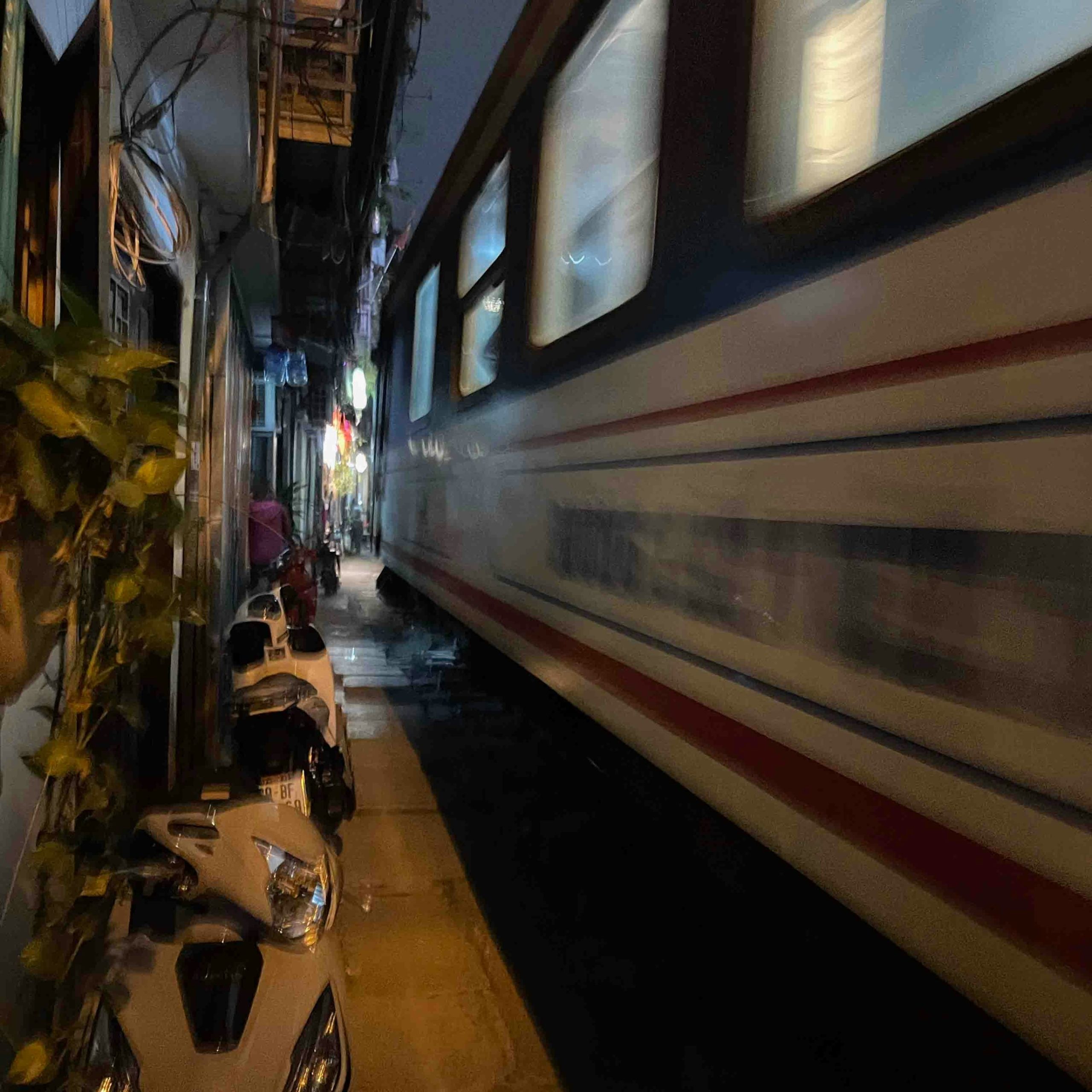
Hanoi Train Street — Yes, it’s touristy now. But sipping coffee while a train passes inches away is still a bucket-list experience. Go early morning or late afternoon for the best atmosphere. The best cafes are on the Le Duan side. Train times vary, but usually around 3 PM, 6 PM, and 7:30 PM.
Night Market in the Old Quarter — Weekends only (Friday to Sunday, 7 PM to midnight). They close off the streets around Hoan Kiem Lake and the whole area becomes a walking market. Stalls selling everything from souvenirs to street food. Great for a relaxed evening walk.
Water Puppet Show — Thang Long Water Puppet Theatre. It sounds cheesy but it’s genuinely entertaining. Shows run nightly, tickets around 100,000 VND.
Hanoi Food Tour — The best way to experience Hanoi after dark is through its food. We run guided food tours through the Old Quarter that take you to the spots locals actually eat at. No tourist traps, just real Hanoi food. WhatsApp/Zalo: +84 70 6666 520.
Bia Hoi Corner (Luong Ngoc Quyen) — Three-way intersection in the Old Quarter where you sit on tiny plastic stools, drink fresh beer that costs less than bottled water, and watch the city spin around you. It’s everything Hanoi nightlife should be.
Bottom Line
If you’re still curious about Hanoi’s red light districts after reading this, you have the information to make your own choice. Just go in knowing the risks — the scams, the legal consequences, the health risks.
But if you’re just looking for a memorable night in Hanoi, don’t waste your time chasing the red light scene. Grab a plastic stool on Ta Hien Street, order a round of bia hoi, and eat your way through the Old Quarter. That’s the Hanoi nightlife worth remembering.
Frequently Asked Questions
Is there a legal red light district in Hanoi?
No. Unlike Amsterdam or Bangkok, there are no legally recognized red light districts in Vietnam.
Which street is most active right now?
Phan Dang Luu (“Waving Street”) and Thanh Tri District are currently the most active. Tran Duy Hung has declined significantly since 2022. If you’re looking for the highest concentration of activity, Thanh Tri has the most establishments packed into a small area.
How much does it cost?
Massage services start around 120,000 VND for 50 minutes. Sexual services range from 300,000 to 1,500,000 VND depending on the area.
Is it safe?
Not really. Theft, overpriced drinks, fake police, and health risks are all common. Legal risks are serious — deportation is a real possibility.
Can I get deported for this?
Yes. Foreigners caught engaging in prostitution can be fined, detained, and deported. A deportation ban can last 1 to 5 years.
What should I do instead?
Ta Hien Beer Street, the Night Market, Train Street, or a food tour. Hanoi’s real nightlife isn’t in the red light districts — it’s in the streets packed with plastic chairs, good food, and cold beer.


Content summary
Other blogOther blog
Related blogs

What to Eat in Hue — 10 Dishes Locals Actually Eat
Hue is Vietnam’s food capital and criminally underrated. Here are 10 dishes locals actually eat — where to find them and what they cost.
Where to Stay in Hoi An — Best Areas & Hotels for Every Budget
Old Town or the beach? Here’s the honest breakdown of every Hoi An neighborhood — what each one is like, who it suits, and real hotels at real prices.

10 Best Things to Do in Ben Tre — Coconut Canals, Sunset Birds & Real Mekong Life
Only 85km from Saigon, Ben Tre is the Mekong at its most authentic. Here are 10 things to do — coconut canals, warm candy, sunset storks and food worth the drive.