




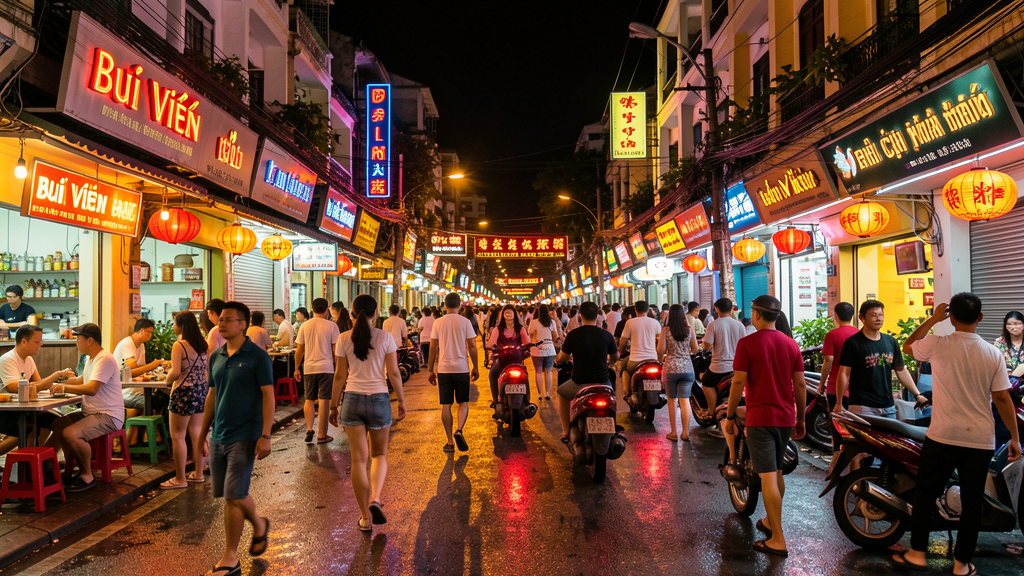


Saigon Red Light District – What You Actually Need to Know (2026)
No, there’s no official red-light district in Saigon. But the scene is real — hidden across Bui Vien, Le Thanh Ton, Pasteur, and beyond. Here’s everything you need to know before you go, written by locals who’ve seen it all.
What’s in This Guide
- The main red-light areas (5 zones, not just Bui Vien)
- How each type of venue works
- What things actually cost in 2026
- The legal reality — and what happens if you get caught
- Common scams and how to avoid them
- Safe nightlife alternatives (the kind we actually recommend to our tour guests)
1. Where the Red-Light Areas Actually Are
Bui Vien Walking Street (District 1)
This is the one everyone knows. Bui Vien is Saigon’s backpacker hub — cheap beer, loud music, thousands of tourists every night. But behind the party atmosphere, there’s a parallel economy.
Freelance sex workers blend into the crowd. Some bars have hostesses who’ll sit with you for a drink, then offer “extra services” after closing. The side alleys off Bui Vien are where most of the action happens — small, discreet massage parlors with tinted windows and no English signage.
What to expect: Loud, crowded, chaotic. The most visible red-light scene in the city, but also the sketchiest. Police raids happen here more than anywhere else.
Le Thanh Ton — “Japanese Street” (District 1)
A few blocks from Bui Vien, but a completely different world. Le Thanh Ton is home to dozens of Japanese restaurants, hostess bars, and karaoke joints. During the day it looks like a normal food street. After 9 PM, it transforms.
Hostess bars here are more “upscale” than Bui Vien. Women in evening dresses greet you at the door. You pay for their time and drinks — typically 500,000–1,000,000 VND per hour. What happens after that is negotiated privately. Most venues cater specifically to Japanese and Korean businessmen, though foreigners are welcome.
What to expect: Quieter, more discreet, more expensive. Less likely to get scammed than Bui Vien, but still not risk-free.
Pasteur Street (District 1)
Pasteur Street runs parallel to the high-end hotels on Hai Ba Trung. It’s known for lady bars — venues where female staff entertain male customers. But here’s the twist: Pasteur is also known for male host bars catering to women.
Scams are rampant on Pasteur. A common one: a friendly local invites you for a drink, you end up at a bar where the bill is suddenly 5,000,000 VND, and large men block the exit until you pay. We’ve heard this story dozens of times.
What to expect: Mixed clientele, high scam risk. Don’t go with someone you just met.
Ton That Tung & Nguyen Trai (District 1)
These two streets, near the medical university area, are lined with hostess karaoke bars that operate behind closed doors. Unlike the street-level bars on Bui Vien, these venues don’t advertise. You need to know someone, or be brought in by a regular.
The setup: private rooms, karaoke systems, women in ao dai or cocktail dresses who serve drinks, sing with you, and provide companionship. Prices are significantly higher than Bui Vien, and the services are more discreet.
What to expect: Private, invitation-only vibe. Higher prices. Lower police visibility, but not zero.
District 3 — Nguyen Thi Minh Khai & Vo Van Tan
District 3 is home to Saigon’s upscale massage parlors. Some are legitimate spas with excellent service. Others offer “happy endings” and full-service options at premium prices (2,000,000–5,000,000+ VND).
The venues here are harder to identify from the outside. They look like regular spa buildings — clean, professional signage, uniformed staff. The difference is in the menu and what’s negotiated in the private room.
What to expect: High-end appearance, premium pricing. Harder to distinguish legitimate from illegitimate. If you just want a massage, stick to well-reviewed places on Google Maps.
Tan Binh & Go Vap Districts
These outer districts have a quieter, more local red-light scene. Mainly karaoke bars and lounges that serve Vietnamese customers. Foreigners are rare here, and English is limited.
Prices are lower than District 1, but the language barrier and unfamiliarity make these areas riskier for tourists. Police crackdowns are less frequent but do happen.
What to expect: Local-only feel, no English. Best avoided unless you speak Vietnamese and know exactly where you’re going.
2. How Different Venues Work
| Venue Type | How It Works | Typical Cost (VND) | Risk Level |
|---|---|---|---|
| Massage Parlors | Legitimate massage + optional “extras” in private room | 300K – 5M+ | Medium |
| Hostess Bars | Pay for women’s time/drinks. Further services negotiated separately | 500K – 1M/hr | High (scams) |
| Karaoke Lounges | Private rooms, hostesses, singing. Full-service often available | 1M – 5M+ | Medium |
| Beer Clubs / Bars | Hostesses or freelancers approach customers. Casual setup | 200K – 500K | High (scams) |
| Online (Zalo, WeChat, FB) | Transactions arranged via messaging apps. Meet at hotel or arranged location | 500K – 3M | Very High |
3. What Things Cost (2026)
Prices have gone up since pre-COVID. Here’s what you’re looking at:
| Service | Price Range (VND) | USD |
|---|---|---|
| Beer / basic drink at hostess bar | 50,000 – 150,000 | $2 – $6 |
| Hostess company (1 hour) | 500,000 – 1,000,000 | $20 – $40 |
| “Happy ending” massage | 500,000 – 1,500,000 | $20 – $60 |
| Full-service (massage parlor) | 1,500,000 – 5,000,000 | $60 – $200 |
| Karaoke lounge (full evening) | 2,000,000 – 8,000,000 | $80 – $320 |
| Freelancer (street / bar) | 1,000,000 – 3,000,000 | $40 – $120 |
| Scam bar bill (if you’re unlucky) | 5,000,000 – 20,000,000+ | $200 – $800+ |
These are real prices reported by locals and travelers as of 2026. Actual costs vary widely depending on the venue, your negotiation skills, and whether you look like a tourist.
4. The Legal Reality
Prostitution is illegal in Vietnam. There’s no gray area. Buying sex, selling sex, and operating a brothel are all criminal offenses under Vietnamese law.
That said, enforcement is selective. Police know where these venues are. They raid them periodically — usually when there’s political pressure or a high-profile incident. The rest of the time, there’s an unspoken tolerance as long as things stay discreet.
If you’re caught:
- Vietnamese citizens face fines of 300,000–50,000,000 VND and possible criminal charges
- Foreigners face fines, detention, deportation, and a permanent black mark on their visa record
- Venue owners face prison sentences of 1–7 years
There’s also the health risk. STI rates among sex workers in Vietnam are significant. Condom use is inconsistent. If you’re going to ignore the legal warning, at least don’t ignore the health one.
5. Scams You Need to Know About
More travelers lose money to scams than to police. Here are the big ones:
- The Friendly Invitation: A local (often a motorbike taxi driver) offers to take you to a “nice bar.” You go. The bill is 10x what it should be. Large men ensure you pay. This is the #1 scam on Pasteur Street.
- The Drink Trap: A hostess orders expensive drinks without telling you. You’re presented with a bill for 2,000,000+ VND for what you thought was a few beers.
- The Deposit Scam: You pay upfront for “full service.” The woman disappears to the bathroom and never comes back.
- The Photo Blackmail: Someone takes photos of you entering or leaving a venue, then threatens to send them to your employer or family unless you pay.
- The Fake Police: Men in plain clothes claim to be police officers, threaten arrest, and demand a “fine” paid in cash on the spot.
How to protect yourself: Never follow a stranger to a bar. Check Google reviews before entering any venue. Pay as you go — don’t run a tab. If something feels wrong, leave. And if someone threatens you, call the real police at 113.
6. Saigon Nightlife Without the Risk
Look, we get it. Saigon at night is electric. But you don’t need to go anywhere near the red-light scene to have an unforgettable evening. Here’s what we tell our tour guests:
Rooftop Bars
Saigon’s skyline from the 50th floor beats any back-alley bar. Try Chill Skybar, Air 360, or Saigon Saigon Rooftop Bar at the Caravelle Hotel. Cocktails are 250,000–400,000 VND, and the view is worth every dong.
Street Food Tours
This is what we do best. A motorbike food tour through District 3, 4, and 10 — trying dishes you’d never find on your own. Banh xeo, bo la lot, oc (snails), che — the real Saigon happens on plastic stools, not in dark bars. Check our tours here.
Nguyen Hue Walking Street
The pedestrian-only street in front of the People’s Committee building. Families, street performers, couples taking photos. It’s safe, beautiful, and completely free.
Live Music Venues
Acoustic Bar on Ngo Thoi Nhiem, Yoko on Nguyen Thi Dieu, Sax n’ Art Jazz Club on Le Loi. These places have character, great music, and zero sketchiness.
Night Markets
Ben Thanh Night Market (outside the main market building), Ho Thi Ky Flower Market (open 24/7), and Hanh Thong Tay Market in Go Vap. Street food, souvenirs, and the chaos of local commerce — way more fun than a hostess bar.
7. Where to Find These Areas on a Map
If you’re trying to navigate Saigon’s nightlife districts, here are the key landmarks:
- Bui Vien: Between De Tham and Do Quang Dau streets. The walking-only section runs from 7 PM to 2 AM on weekends.
- Le Thanh Ton (Japanese Street): Between Hai Ba Trung and Pasteur. Look for the Japanese signage.
- Pasteur Street bars: Between Le Thanh Ton and Nguyen Du. The section near the intersection with Le Thanh Ton is the most active.
- Ton That Tung & Nguyen Trai: Near Pham Ngu Lao Ward. The karaoke bars are tucked into side alleys — look for neon signs with no English.
- District 3 massage area: Nguyen Thi Minh Khai between Cach Mang Thang Tam and Hai Ba Trung. The upscale spas are in this corridor.
8. Questions Travelers Ask Us
“Is there one official red-light district in Saigon?”
No. Unlike Bangkok’s Patpong or Amsterdam’s De Wallen, Saigon’s red-light scene is spread across multiple areas. There’s no single street with red lights and obvious signage.
“Is it safe to walk through Bui Vien at night?”
Yes, as long as you stay on the main walking street. The danger is in the side alleys and inside unmarked bars. Keep your phone in your front pocket, don’t carry large amounts of cash, and don’t follow anyone into a side street.
“Can I bring a girl back to my hotel?”
Most hotels in Saigon require ID from all guests. Some hotels (especially 3-star and below) turn a blind eye. Higher-end hotels will almost certainly refuse. If you’re booking through us, ask about our recommended hotels.
“Do the police actually arrest foreigners?”
Yes. It’s rare, but it happens. Usually during crackdowns timed with major holidays or political events. If you’re arrested, contact your embassy immediately.
“What’s the difference between a hostess bar and a regular bar?”
A hostess bar has women whose job is to sit with you, talk to you, and encourage you to buy drinks (for both of you). They’re paid by the hour. A regular bar doesn’t have this. If women approach you within seconds of sitting down, you’re in a hostess bar.
Bottom Line
Saigon’s red-light scene is real, it’s accessible, and it’s not going anywhere. But it’s also illegal, unpredictable, and full of people who see tourists as walking ATMs.
If you’re determined to explore it, go with someone who knows the city. Don’t go alone. Don’t carry more cash than you’re willing to lose. And if you’d rather experience Saigon without the risk, we’ve got you covered — check out our tours and transfer services. Same city, better stories to tell when you get home.


Content summary
Other blogOther blog
Related blogs

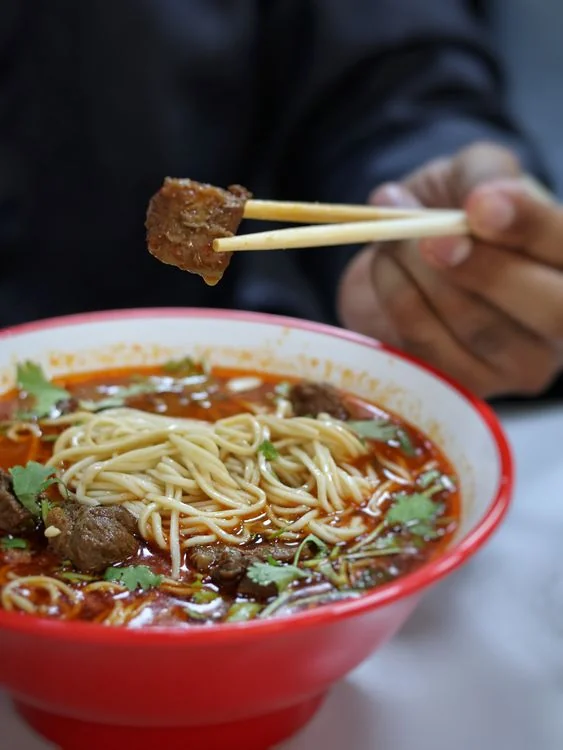
What to Eat in Hue — 10 Dishes Locals Actually Eat
Hue is Vietnam’s food capital and criminally underrated. Here are 10 dishes locals actually eat — where to find them and what they cost.
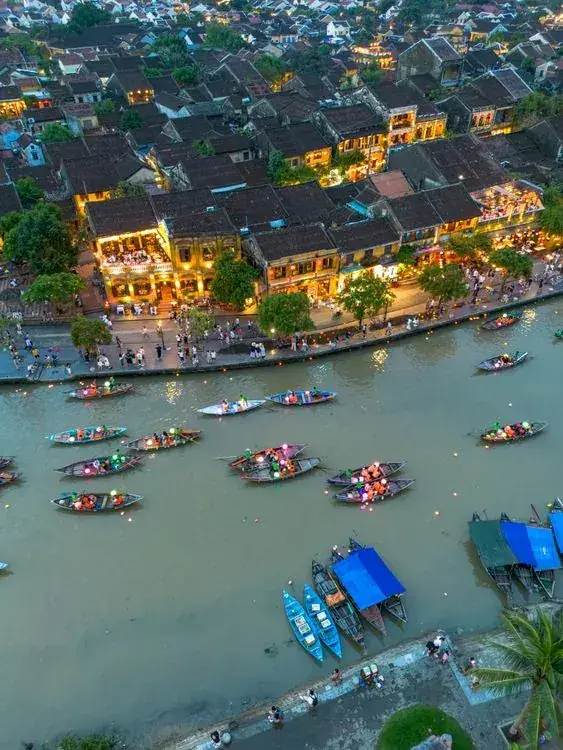
Where to Stay in Hoi An — Best Areas & Hotels for Every Budget
Old Town or the beach? Here’s the honest breakdown of every Hoi An neighborhood — what each one is like, who it suits, and real hotels at real prices.
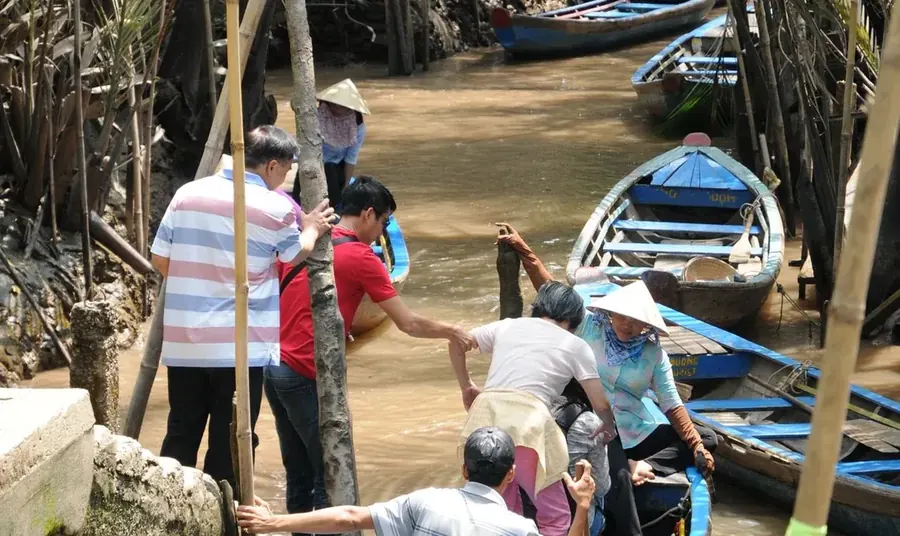
10 Best Things to Do in Ben Tre — Coconut Canals, Sunset Birds & Real Mekong Life
Only 85km from Saigon, Ben Tre is the Mekong at its most authentic. Here are 10 things to do — coconut canals, warm candy, sunset storks and food worth the drive.