






Vietnam in September: choosing a route around the weather
Northern terraces, coastal storms and southern downpours call for different plans. Choose a September route with realistic weather and transport backups.
September is a reasonable month for a Vietnam trip built around Hanoi, northern landscapes or Saigon’s food and city life. It is a less dependable choice for a holiday that needs uninterrupted beach days, island ferries or a cruise on one fixed date. The useful question is which part of the trip needs good weather, not whether September is ‘good’ for the whole country.
Vietnam does not have one September forecast. The north is moving toward autumn, the central coast is entering a wetter period, and the south is still in its rainy season. Use those patterns to choose a route, then check the forecast and local travel advice for your actual dates. A seasonal guide cannot tell you whether a particular boat or mountain road will operate next week.
Match the route to what you are travelling for
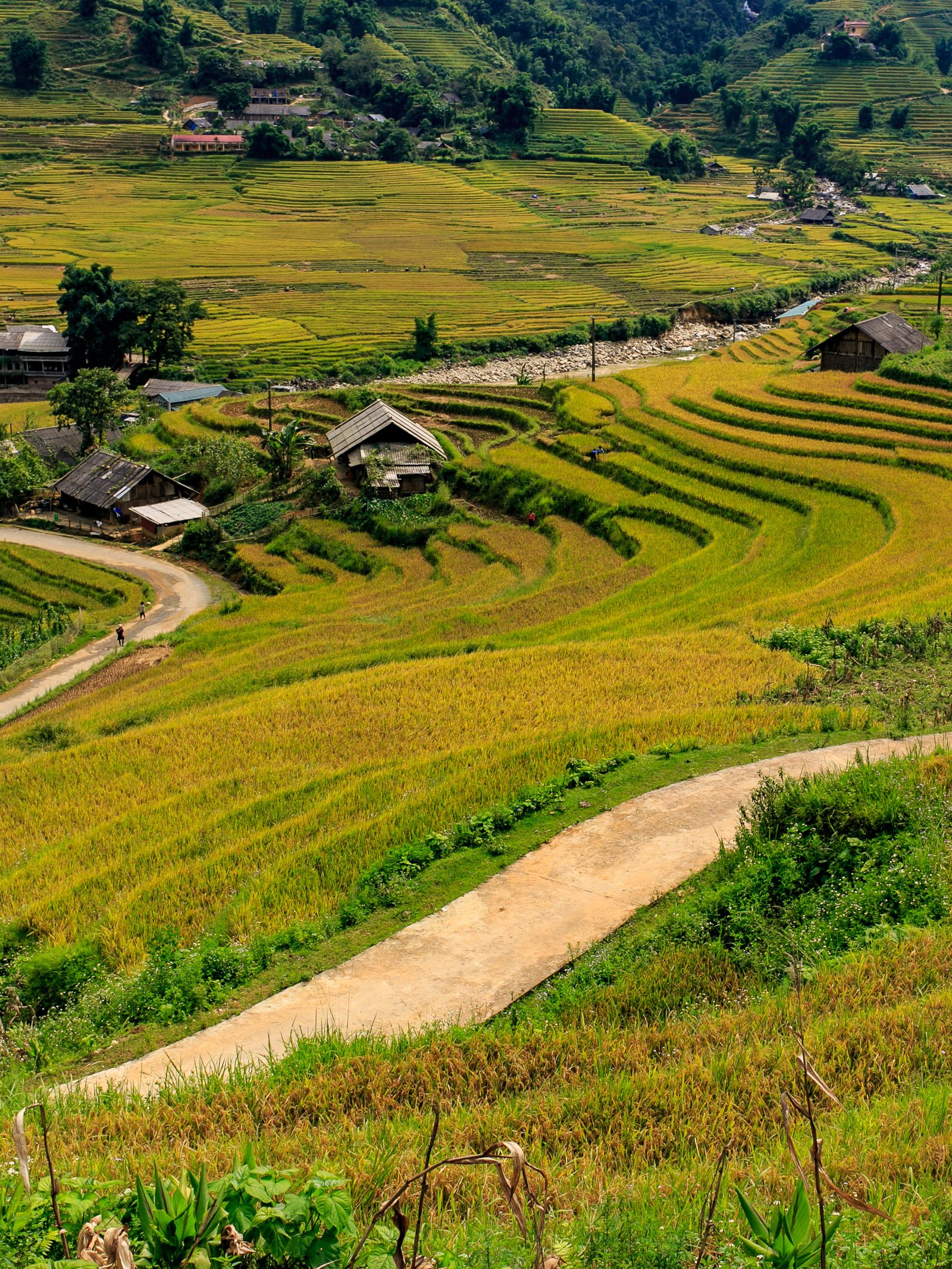
For rice terraces and mountain scenery, look at the north first, but allow time to move plans around. If a beach stay is the non-negotiable part of your holiday, compare the forecast and cancellation terms before fixing the rest of the trip around it. For a city-and-food visit, short rain interruptions are usually easier to accommodate than they are on a route with several boat crossings.
This is also a reason not to force north, centre and south into a short trip. Every extra connection is another booking that can become awkward if a storm delays an earlier leg. A smaller route with places you genuinely want to spend time in gives you more useful alternatives than a crowded itinerary built around perfect weather.
For a first northern trip without a motorbike, Hanoi with Ninh Binh is a practical starting combination: city food and museums on one side, limestone scenery and boat trips on the other. Add Ha Long or Cat Ba only if you can accept a weather-driven change to the bay outing. If the terraces are the main reason for coming, give Mu Cang Chai its own mountain leg instead of adding it to an already crowded city-and-bay route. These are itinerary suggestions, not forecasts or fixed tour departures.
Northern Vietnam: allow the harvest and the weather to vary
Vietnam Tourism lists September to November among the favourable periods for Hanoi, Sapa and Ha Long Bay. That describes a seasonal tendency, not a promise of clear skies throughout the region. Hanoi, a highland valley and a mountain pass can have quite different conditions on the same day.
Rice colours also depend on the valley, altitude and harvest progress. Do not reserve a trip solely around a photograph labelled ‘late September’. Ask a local accommodation or guide what the fields currently look like and keep more than one viewpoint in mind. Our Mu Cang Chai planning guide covers how the terrace areas fit into a longer journey from Hanoi.
For Ha Giang or another mountain-road trip, weather flexibility is a safety decision as well as a photography decision. Heavy rain, poor visibility and landslides can change which sections are sensible to travel. Check road conditions locally and accept a shortened or changed route; a pre-booked itinerary is not a reason to continue onto an unsafe road.
Ha Long Bay needs a separate check. Tropical storms can interrupt cruises even during an otherwise appealing season. Read the operator’s cancellation or rescheduling terms and avoid making an inflexible onward flight depend on a cruise returning exactly as planned.
The central coast does not switch seasons on a fixed date
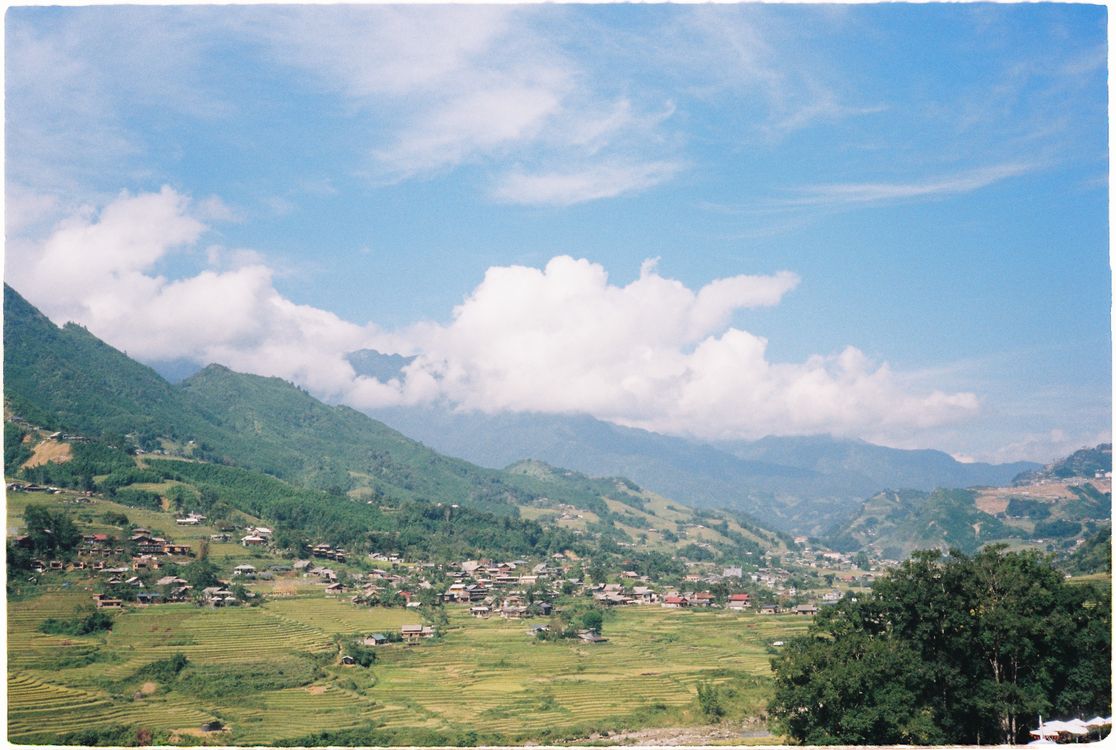
A rule such as ‘go before September 15 and avoid everything after it’ is too neat to be useful. Vietnam Tourism places Hue and Hoi An in their wetter periods from September, and its Nha Trang guidance also notes rain later in the year. Conditions still vary by destination and by weather system.
A cultural stay can remain worthwhile when a beach-focused holiday would not. Decide whether you would still enjoy the trip if swimming or a boat outing were cancelled. If the answer is no, keep the booking flexible rather than relying on an early-month guarantee. Follow local warnings about flooding, beach conditions and transport disruption.
If Hue is part of the route, MIA Hue Tours is a relevant local contact for discussing a land-based plan. Ask about the actual conditions and alternatives for your dates, rather than treating a published itinerary as fixed.
Saigon and the Mekong: leave room for rain, not an empty afternoon
Southern Vietnam remains hot and humid in September. Vietnam Tourism describes the wet season in Ho Chi Minh City and the Mekong Delta as bringing afternoon rain, often lasting a few hours. That is useful for planning, but it does not mean rain begins at the same hour or always clears before dinner.
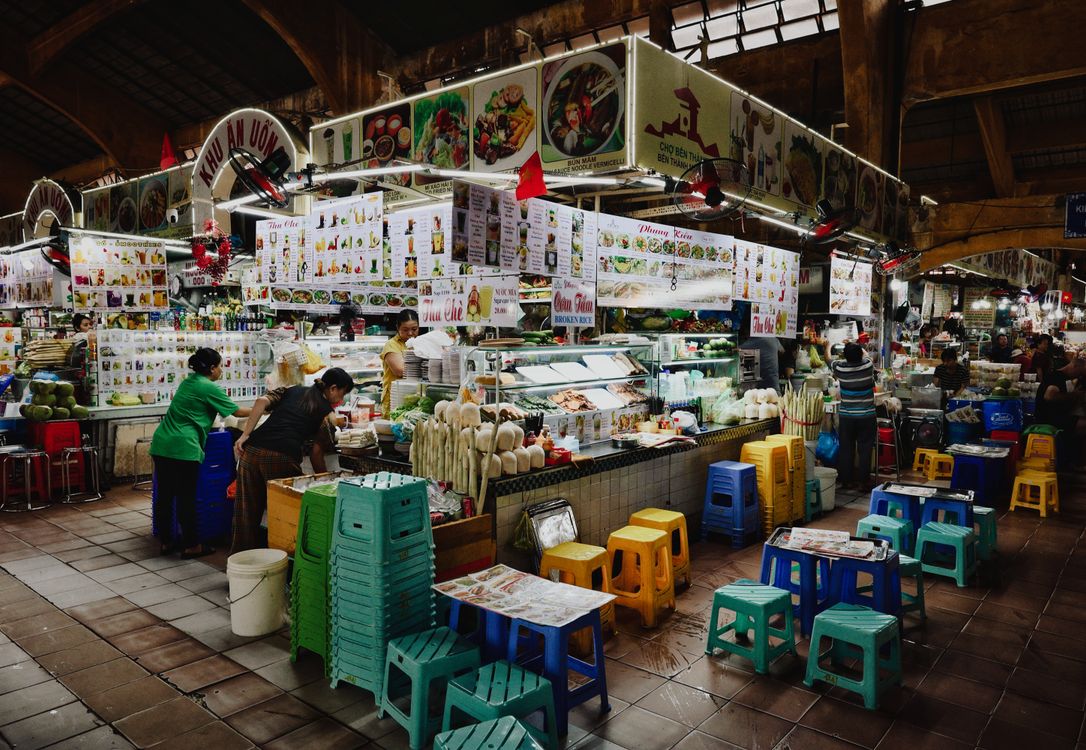
Keep some outdoor time flexible and choose indoor stops you would enjoy anyway: a meal, a museum or a covered market visit. On river outings, ask what the operator changes in heavy rain and follow the crew’s safety decisions. ‘Rain or shine’ should not be read as a guarantee that every activity runs in every condition.
Choose a Mekong stop for the experience, not simply because it is September. Ben Tre fits a countryside day from Saigon; Can Tho makes more sense when an early Cai Rang market visit is the priority, because sleeping nearby avoids a long pre-dawn drive. Neither needs to be added to a short city stay just to say you visited the delta.
Do not treat Phu Quoc as simply the same weather as Saigon with a beach attached. Vietnam Tourism identifies July to September as the island’s stormier period, with possible disruption to ferries and beach plans. Our Phu Quoc in September article looks more closely at whether that trade-off suits your holiday.
Lower-season discounts are not guaranteed. Compare the actual room rate, location and cancellation conditions for your dates. A cheap room is not necessarily good value if the activities you came for are unavailable.
Book around constraints, not just the lowest price
- Check what happens if a ferry, cruise or outdoor activity is cancelled: refund, credit or a replacement route are different outcomes.
- Keep enough flexibility around weather-dependent transport that one changed departure does not unravel the rest of the trip.
- National Day falls on September 2. Check the announced holiday period for your travel year before assuming ordinary transport demand or office hours.
- If an entry document is needed, allow for official processing times and non-working days. Confirm the applicable requirements rather than relying on a general travel article.
Pack for the activities and altitude on your own route: light rain protection, clothes that dry readily, shoes with grip and a warmer layer if you are heading into the northern mountains. A waterproof cover for documents and electronics is more useful than packing around a single countrywide temperature range.
Check these again shortly before travelling
Read the destination-level forecast, ask your accommodation or operator about any access disruption, and keep the contact details for onward transport available. The UK travel advisory’s extreme-weather guidance explains the risks from tropical cyclones and seasonal flooding and links to forecasting services. Follow local authorities if conditions change.
For the broad seasonal patterns used here, see Vietnam Tourism’s regional climate guide. It is a starting point for choosing destinations, not a substitute for the forecast, road conditions or an operator’s sailing decision.
Australia’s Smartraveller advice for Vietnam also warns that severe weather can disrupt air, sea, road and rail travel. Its practical advice is to check with local authorities and operators before entering an affected area, and change plans if safety is uncertain.


Content summary
Other blogOther blog
Related blogs

What to Eat in Hue — 10 Dishes Locals Actually Eat
Hue is Vietnam’s food capital and criminally underrated. Here are 10 dishes locals actually eat — where to find them and what they cost.
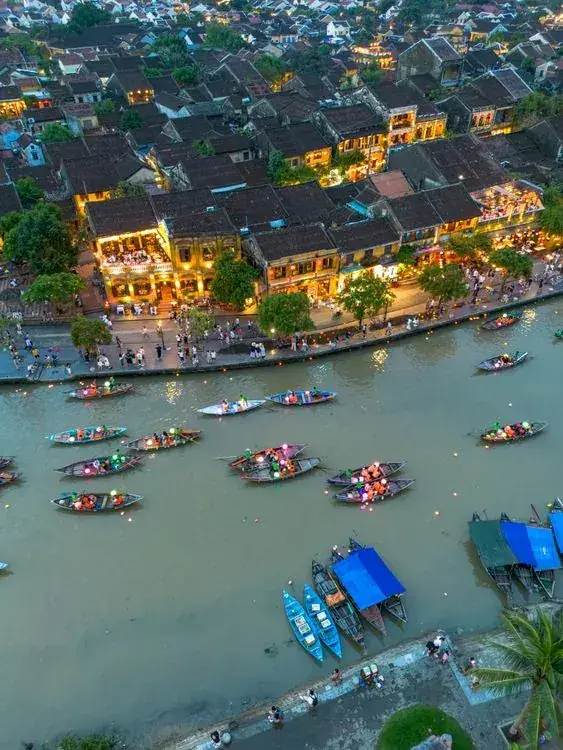
Where to Stay in Hoi An — Best Areas & Hotels for Every Budget
Old Town or the beach? Here’s the honest breakdown of every Hoi An neighborhood — what each one is like, who it suits, and real hotels at real prices.
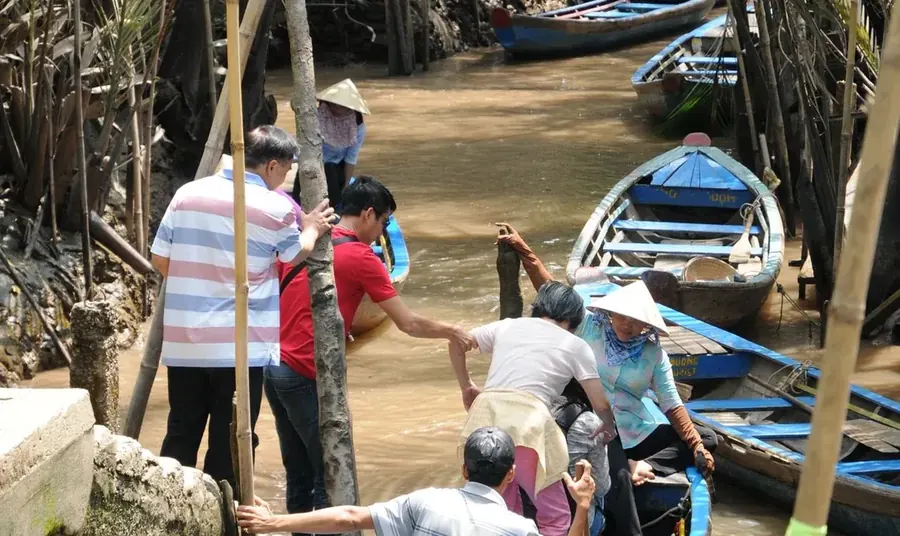
10 Best Things to Do in Ben Tre — Coconut Canals, Sunset Birds & Real Mekong Life
Only 85km from Saigon, Ben Tre is the Mekong at its most authentic. Here are 10 things to do — coconut canals, warm candy, sunset storks and food worth the drive.