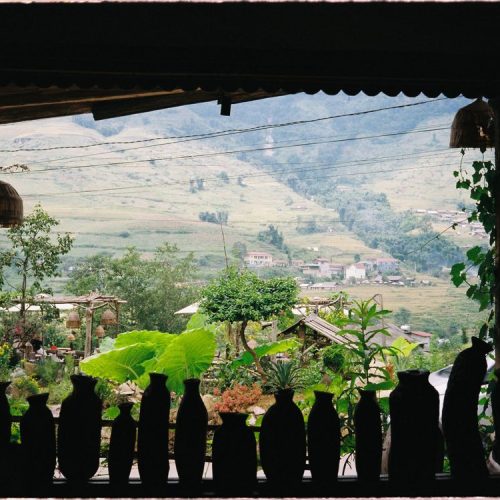
It’s July. Down on the coast, Da Nang and Nha Trang are at their sticky, sunburnt peak. HCMC is doing its usual 33°C with 90% humidity thing. And you’re wondering if there’s anywhere in Vietnam where you can actually wear a hoodie in summer.
There is. It’s called Sapa — and most travelers completely skip it because they’ve heard “rainy season.” Here’s the thing: July in Sapa isn’t beach-rainy. It’s mountain-rainy. Brief afternoon showers, 20-25°C days, lush green rice terraces, and mist drifting through the valleys. Honestly? It might be the best time to go.
I’ve sent groups up there in July twice now and both times they came back asking why nobody told them about this earlier. So here’s the full breakdown — weather, transport from Hanoi, where to stay, the treks actually worth doing, what to eat, and the villages you shouldn’t miss.
What Sapa Is Actually Like in July
Let’s get the “rainy season” thing out of the way first because it scares people off unnecessarily. Yes, July is technically Sapa’s rainy season — expect around 15-20 days with some rain, and total rainfall around 300-350mm. Sounds like a lot, right?
It’s not. The rain comes in short, sharp bursts — usually an hour or two in the afternoon, then it clears. Mornings are often dry and misty. Evenings cool down fast. You might get one or two full rainy days during a week-long trip, but most of the time you’ll be walking around in light layers and a poncho you bought from a hill-tribe vendor for 30,000 VND.
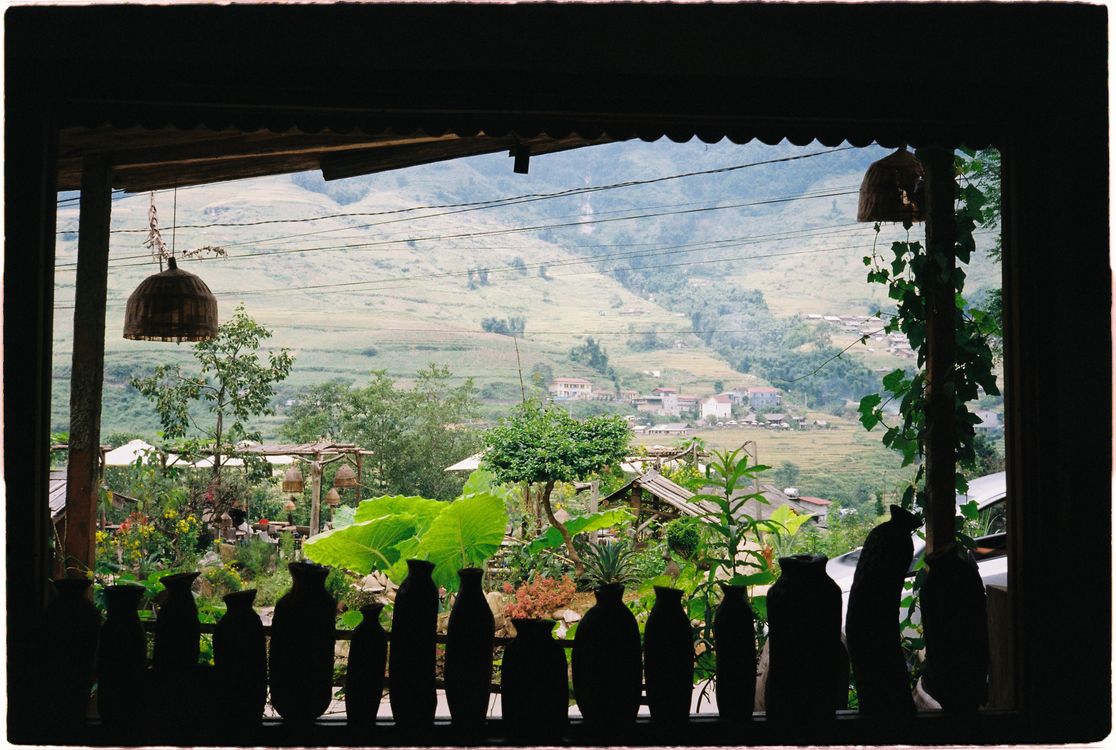
What you trade for the rain is the landscape. July is when the rice terraces are at their greenest — the plants are still growing, not yet ready for the golden September harvest. Everything is loud green. Waterfalls are at full flow. Wildflowers everywhere. Photographers lose their minds.
Temperatures run 20-25°C during the day, dropping to 15-18°C at night. That’s a 10-15°C drop from Hanoi, and you will feel it the second you step off the bus. Bring a light jacket. Not optional.
Sapa in July — Quick Numbers
| Detail | What to Expect |
|---|---|
| Daytime temp | 20-25°C (68-77°F) |
| Night temp | 15-18°C (59-64°F) |
| Rainy days | ~15-20 days per month |
| Monthly rainfall | ~300-355mm |
| Rain pattern | Short afternoon showers, mostly clear mornings |
| Rice terraces | Lush green, not yet golden |
| Crowds | Lower than autumn peak season |
How to Get There from Hanoi
Sapa doesn’t have its own airport. Everyone goes through Hanoi first. The town is about 320 km northwest of the capital — close enough for a long weekend, far enough that you can’t really day-trip it. If you’re still putting together your Hanoi plan, our Hanoi itinerary guide covers what to do with the day or two before or after the mountains.
Three options, ranked by what most travelers actually pick:
1. Sleeper Bus — The Default Choice
Overnight buses leave Hanoi’s My Dinh or Giap Bat station between 7pm and 9pm, arriving in Sapa around 5-6am. Cabin-style sleeper buses (the lie-flat kind) are the standard now — way more comfortable than they used to be. Most operators will pick you up at your Hanoi hotel if you book in advance.
Cost: 250,000 – 500,000 VND one way (~$10-20 USD), depending on the company and pickup. Time: 6-7 hours, but plan on 7-8 with stops.
2. Sleeper Train — The Upgrade Pick
The train only goes to Lao Cai station, which is 38 km from Sapa town. From there, you take a minibus or taxi (about 1 hour) up the mountain. Sounds like a hassle, but the train itself is the experience — old-style wooden sleeper cabins, four-berth compartments, and you wake up to mountain views as the train climbs.
Cost: 800,000 – 1,800,000 VND for a soft sleeper berth (~$32-72 USD), plus 200,000 VND for the transfer to Sapa town. Time: 8 hours on the train, plus 1 hour transfer.
3. Private Car — For Groups or Heavy Pack
Most useful if you’re 3-4 people and want to stop along the way for photos. Door-to-door in 5-6 hours. More expensive, but you control the schedule.
Cost: 3,500,000 – 5,500,000 VND for the car (split 4 ways = $35-55 USD per person). Time: 5-6 hours.
Heads up: The road from Hanoi to Sapa is winding. If you’re prone to motion sickness, take the train. Trust me on this one — I’ve seen people green up on that highway.
Where to Stay (Homestay vs Hotel)
Real talk — Sapa town itself is underwhelming. It’s a strip of touristy restaurants, hotels that all look the same, and the same souvenir stalls selling the same embroidered bags. The good stuff is in the villages surrounding town, where the homestays are.
If you’ve never done a homestay, this is the place to try. Hill-tribe families (mostly H’mong, Dao, Tay, and Giay) open up parts of their stilt houses to guests. You sleep on a mattress on the floor, eat dinner with the family, and wake up to misty rice fields. It’s not luxury — but it’s the most authentic thing you’ll do in Vietnam.
Homestay Areas Worth Considering
- Ta Van (Dao and H’mong villages): Most popular. Easy 30-minute walk from Sapa town through the rice terraces. Mix of basic and mid-range homestays. Great food.
- Lao Chai (H’mong village): Slightly closer to town, slightly more developed. Good for first-timers who aren’t sure about going fully rustic.
- Ban Ho (Tay village): Further out, more remote, beautiful river. Fewer tourists, more authentic. Good 2-night stay.
- Y Linh Ho (H’mong village): Small, quiet, surrounded by terraces. The trek there is the highlight — getting there is half the fun.
If you really want a hotel, stay in Sapa town and day-trip the villages. Most mid-range hotels run 1,200,000 – 2,500,000 VND per night ($50-100 USD). Top-end places with mountain views (like the Victoria Sapa) go from 4,500,000 VND+.
The Trekking Routes Worth Walking
Here’s the part where Sapa earns its reputation. The rice terrace treks around town are stunning in any season, but in July, with everything so green and the water flowing through the paddies, it’s a different level. Fewer tourists than autumn, so you’ll often have sections of trail to yourself.
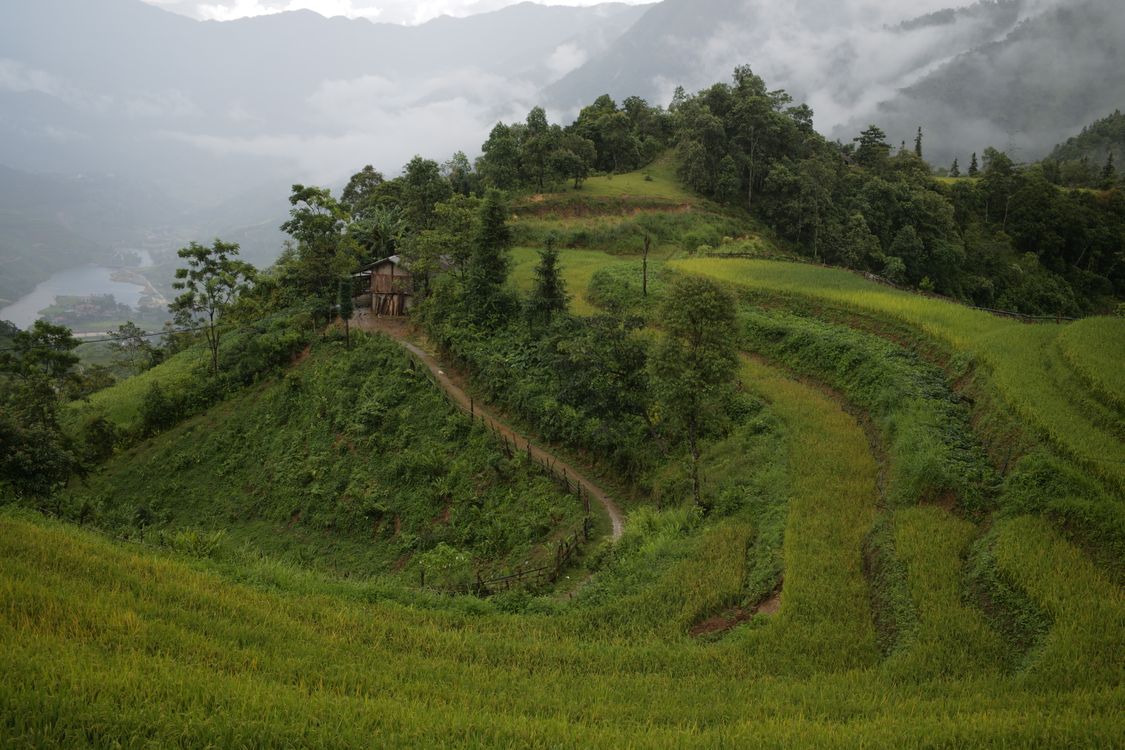
The Easy Half-Day Loop (Sapa → Cat Cat → Sapa)
If you only have a morning, this is the one. Starts right from Sapa town, drops down into Cat Cat village (H’mong), passes a waterfall, and loops back. About 2-3 hours, mostly downhill on the way out. Crowded — Cat Cat gets day-trippers — but still pretty.
The Classic One-Day Trek (Y Linh Ho → Lao Chai → Ta Van)
This is the one most trekking companies run. 12-15 km, takes 5-6 hours including lunch, drops you off at Ta Van where you can stay in a homestay or get a ride back to Sapa town. Mix of flat valley walking and some climbs through the terraces. Reasonable fitness required — bring real shoes, not sandals.
The Two-Day Adventure (Ta Van → Ban Ho)
For people who actually want to get off the tourist trail. Spend the first night in a homestay in Ta Van, then continue west to Ban Ho the next day. The second day is the quieter, prettier section — you pass through smaller villages and bamboo forest. Bring dry bags for your stuff on the second day; the trail crosses a few streams.
Cost of guided treks: 600,000 – 1,200,000 VND per person for a day trek, 1,500,000 – 2,500,000 VND for two days. Going without a guide is fine for the easy loops but risky for the multi-day routes — the trails branch a lot and locals will probably end up helping you anyway, just less formally.
The Villages You Should Actually Visit
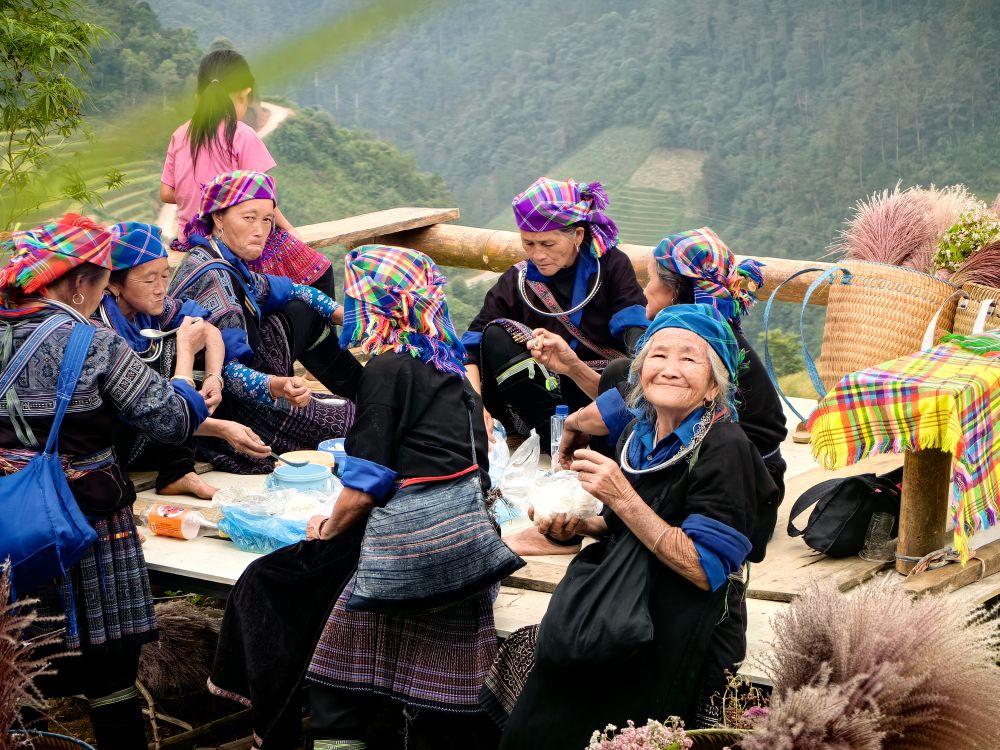
There are about 30 ethnic-minority villages within trekking distance of Sapa town. Not all are worth visiting. Some have been turned into open-air souvenir markets. Here’s what’s actually worth your time:
- Cat Cat and Ta Phin: Closest to town, walkable, and the most touristed — but still worth an hour for the waterfall at Cat Cat and the indigo textiles at Ta Phin.
- Lao Chai and Ta Van: The standard trekking route. Worth doing, just expect other trekkers.
- Ban Ho: A Tay village, completely different feel from the H’mong villages. The river swimming is the highlight — water’s cold, but worth it after a long trek.
- Y Linh Ho: Small, off the main trail, very traditional. Best for the trek itself rather than the village.
- Trung Do: An outsider pick — it’s a Tay village with amazing riverside views and almost no tourists.
Real talk on the souvenir sellers: Some of the village women you meet along the trails will follow you trying to sell bracelets, scarves, or whatever they’ve made. It’s not aggressive — most will back off if you say “không, cảm ơn” (no, thank you) — but a polite “no” sometimes gets repeated 5-6 times. Don’t take it personally. They walk 4-5 km a day in the heat. The persistence is survival.
Fansipan — Cable Car Up, Optional Walk Down
Mount Fansipan is officially 3,143 m tall, and used to require a 2-3 day trek to summit. Not anymore. The cable car system that opened in 2016 gets you to the top in 15 minutes, and the views from the summit (when it’s clear, which is hit-or-miss in July) are unreal — on a good day, you can see all the way to Yunnan.
Cost: Around 850,000 VND for the round-trip cable car ticket (~$33 USD). The full Fansipan experience with the monorail add-on runs 1,450,000 – 1,500,000 VND.
Here’s the thing though — July is the worst month for Fansipan views. Cloud cover is heavy, and the summit is in the clouds more often than not. If you’re betting on a clear photo at the top, you’re gambling. Most people still do it and are happy. The ride up is gorgeous even when the summit is socked in. Just don’t expect that Instagram shot.
Best window: go first thing in the morning (8-9am cable car) before the afternoon clouds build. Bring a light jacket — the temperature drops about 8-10°C from Sapa town to the summit.
What to Eat in Sapa
Sapa’s food is its own thing — heavy on hotpot (cold mountain weather, hot meals, makes sense), freshwater fish, horse meat (controversial but local), and dishes you’ll see nowhere else in Vietnam. Skip the hotel breakfast buffet for this. Eat what the hill tribes eat.
Thắng cố: The famous Sapa horse meat hotpot. Made from horse bones, meat, offal, and about 12 different herbs and spices. It’s a H’mong specialty, traditionally cooked in a big cast-iron pot over a wood fire. Tastes better than it sounds. Order it once, even if just for the experience. Price: 250,000 – 400,000 VND for a pot to share.
Lẩu cá hồi (salmon hotpot): Sounds weird — salmon in the mountains? But Sapa has cold-water fish farms, and the salmon is fresh. Hotpot comes with mountain vegetables and a slightly sweet-sour broth. This is what you’ll be eating most evenings. Price: 350,000 – 600,000 VND for two.
Lợn cắp nách (“armpit pig”): Free-range black pig that the H’mong carry under their arm to market (hence the name). Roast it, grill it, or hotpot it. Tastes gamier and richer than regular pork. Price: 200,000 – 350,000 VND per dish.
Thắng dền (black sticky rice): Purple-black sticky rice cooked in a clay pot, served warm with sesame salt or coconut. Perfect for cool mornings. Price: 25,000 – 40,000 VND.
Gà đen (black chicken): Another H’mong specialty — the chickens are black-fleshed, leaner and more flavorful than regular chicken. Usually stewed with herbs. Price: 250,000 – 400,000 VND for a whole bird.
Where to eat: in Sapa town, the night market has a food section with reasonable prices and portions. In the villages, you’re eating at your homestay — whatever the family cooked. Bring some snacks if you’re picky.
The Local Markets (Worth the Drive)
Sapa’s highland markets are a whole different experience from the lowland ones. Held weekly, mostly by ethnic minorities trading livestock, produce, and textiles. Loud, chaotic, and full of photo opportunities.
- Bac Ha Market (Sunday): The big one. About 2 hours from Sapa town, but worth the drive. Flowers H’mong come down from the highlands in full traditional dress — red headdresses, indigo skirts, everything. You can buy anything from a water buffalo to a hand-stitched scarf.
- Coc Ly Market (Tuesday): Smaller, more local, more authentic. A bit less touristy than Bac Ha. Same flower H’mong dress, same livestock trading.
- Can Cau Market (Saturday): Smaller still, very close to the Chinese border. Famous for the cattle and buffalo trading.
- Sapa Night Market (daily, evening): In town, more touristy, but a good intro. Mostly handicrafts and street food.
If you can only hit one, make it Bac Ha on a Sunday. The early morning is the best time — get there by 7am for the action. By 11am, most of the trading is done and people head home.
When Sapa in July Is a Bad Idea
I’d be lying if I said July was right for everyone. Don’t come if:
- You hate humidity: Sapa is less humid than Hanoi, but it’s still 70-85%. You’ll be damp.
- You need guaranteed clear mountain views: July is cloudy. Fansipan summit is invisible 50%+ of the time. If you’re coming for “that view,” go in October-November.
- You’re not in reasonable shape: The terrain is hilly. Most treks involve real elevation change. If 5 km on flat ground wears you out, the half-day loop is your ceiling.
- You want beach weather: This is the opposite of beach weather. It’s the place you go to escape beach weather.
If any of those apply, October-November is the classic window — golden harvest, clearer skies, more tourists. But you’ll also pay double for homestays and the trails will be packed.
Tips for July
- Bring a real rain jacket. Not a flimsy poncho. The rain comes fast and the trails get slippery. A 30,000 VND poncho from a market vendor is fine as a backup, not as your main layer.
- Shoes matter. Trainers will survive the easy loops. The multi-day treks want proper hiking shoes or trail runners. I made the mistake of bringing Converse once — never again.
- Cash is king. Most homestays and village shops don’t take cards. Bring enough Vietnamese dong for 3-4 days; ATMs in Sapa town sometimes run out.
- Start treks early. 7-8am start, finish by noon. The afternoon rain is almost guaranteed.
- Pack layers. 25°C at noon, 15°C at night. You’ll be adding and removing a jacket three times a day. (Our July packing list covers the full kit.)
- Don’t skip the markets. Even if you’re not buying, the photo opportunities are the best in northern Vietnam.
- Book homestays in advance for weekends. Weekday availability is fine, but Saturday nights in Ta Van and Lao Chai fill up.
The Short Version
Sapa in July is one of Vietnam’s best-kept summer secrets. You’ll trade the sticky coastal heat for cool mountain air, lush green rice terraces, and quiet trails that autumn tourists never see. Yes, it rains — but it rains for an hour, not all day. The temperatures stay around 20-25°C, the food is hearty, and the hill-tribe villages are as authentic as they come.
Plan for 2-3 days minimum, longer if you want to do the two-day trek. Get there by sleeper bus from Hanoi, stay in a homestay, walk as much as your knees allow, eat the hotpot, and skip the cloud-shrouded Fansipan summit if you’re serious about photos.
If you’re putting together a Vietnam trip and need help with the practical side — visa, airport pickup, or a Saigon leg before or after the mountains — our team handles the boring stuff so you can focus on the trekking.
WhatsApp/Zalo: +84 70 6666 520