




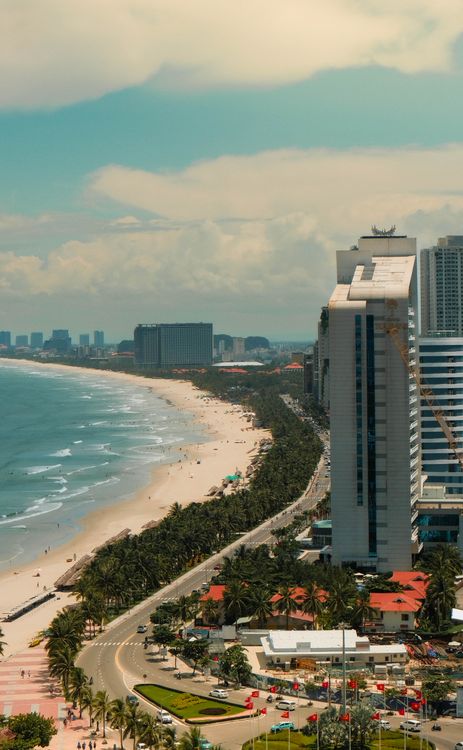


Nha Trang vs Da Nang — Which Beach City Is Right for You? (2026 Guide)
Torn between Nha Trang and Da Nang for your Vietnam beach trip? Here’s the honest breakdown — beaches, prices, nightlife, day trips, rainy season realities, and exactly which one to pick.
You’re planning a Vietnam trip. You want beach time. Sun, sand, maybe a cold beer with your feet in the water. You’ve narrowed it down to two cities: Da Nang and Nha Trang.
And now you’re stuck. Because every forum thread and blog post says something different. One person swears Da Nang is the best beach city in Vietnam. The next says Nha Trang is “my home away from home.” Who’s right?
They both are. It depends on you — what kind of trip you want, who you’re traveling with, and honestly, what you can tolerate. I’ve spent time in both cities (most recently last month — June, peak season, stupidly hot in both). Here’s the honest, no-BS breakdown.
The Big Difference in One Sentence
Da Nang is a modern Vietnamese city that happens to have a great beach. Nha Trang is a beach resort that happens to be in Vietnam.
That’s it. If you want to understand why these two feel so different despite both having sand and palm trees, keep that sentence in your head. Da Nang is cleaner, more developed, and packed with day-trip options to UNESCO sites. Nha Trang is looser, cheaper, and built around the idea that you’re here to swim, party, and eat seafood. Everything else is secondary.
At a Glance
| Da Nang | Nha Trang | |
|---|---|---|
| Vibe | Modern city + beach resort | Classic beach resort, “Vietnam’s Pattaya” |
| Best beach | My Khe — 20km, fine sand, surfing | Tran Phu — 5km, calm bay, island views |
| Swimming | Good, stronger waves (Sep-Jan rough) | Calmer water year-round, protected bay |
| Nightlife | Chill bars, weekend Dragon Bridge show | Party scene — beach clubs, rooftop bars |
| Day trips | Hoi An (30 min), Hue (2h), Ba Na Hills | Island hopping, mud baths, VinWonders |
| Food scene | Central Vietnamese — Mi Quang, Banh Xeo | Seafood focus — Bun Cha Ca, grilled shellfish |
| Budget room | From 400,000 VND/night | From 300,000 VND/night |
| Beachfront hotel | 1.5M – 5M+ VND | 800K – 3M VND |
| Meal (local) | 40,000 – 80,000 VND | 35,000 – 70,000 VND |
| Best months | March – August | January – September |
| Airport | 10 min to city center | 30 min to city center (Cam Ranh) |
| Best for | Culture + beach, couples, families, digital nomads | Budget travelers, partygoers, first-time Vietnam, island lovers |
Da Nang — The Modern Beach Hub
Here’s a scene: it’s 6pm on a Saturday. You’re standing on the Dragon Bridge as the sun drops behind the mountains. A crowd gathers. Then the dragon’s head spits actual fire — two bursts — followed by a water spray that soaks anyone standing too close. Kids scream. Everyone laughs. That’s Da Nang.
It’s not just a beach town. It’s a real city of 1.5 million people. Wide boulevards. New construction everywhere. Korean BBQ joints next to local pho shops. My Khe Beach stretches for 20 kilometers — endless fine sand, clean water, surfable waves. The sand here is softer than Nha Trang’s. Finer. The kind you can walk barefoot on for an hour without your feet hurting.
The real advantage? Day trips. From Da Nang you can hit Hoi An in 30 minutes by Grab (about 200K VND). That’s a UNESCO World Heritage town with lantern-lit streets and arguably the best tailoring in Southeast Asia. Hue — the old imperial capital — is 2 hours north through the Hai Van Pass, one of the most scenic coastal drives in the country. The Marble Mountains are 15 minutes away. Ba Na Hills and that Golden Bridge you’ve seen on Instagram? 45 minutes.
No other beach city in Vietnam gives you this much culture within day-trip range. You can spend the morning at a Cham temple, the afternoon on the sand, and dinner in a 400-year-old merchant house in Hoi An.
The catch: It’s more expensive than Nha Trang. Not by a lot — we’re still talking Vietnam prices — but beachfront hotels start higher and the tourist infrastructure around My Khe is spread out. You’ll need Grab to get around. And from September to December, the rainy season hits hard. Waves get rough, currents become dangerous, and your beach days turn into “stare at the rain from a cafe” days.
Also worth knowing: English isn’t as widespread as you’d expect. Hotel staff usually speak it, but local restaurants? Menus are often Vietnamese-only. Google Translate becomes your best friend. But here’s the thing — locals are incredibly friendly. A smile goes a long way. I’ve had waitresses pull out their phones and type translations just to help me order.
Nha Trang — The Lively Resort City
Nha Trang doesn’t try to be anything other than what it is: a beach town built for fun. The water is that postcard turquoise — calm, clear, protected by a bay dotted with islands. The 5km promenade along Tran Phu Street is lined with cafes, seafood stalls, and beach bars where you can sink into a lounge chair with a cocktail for about 100K VND.

What Nha Trang nails: The beachfront value. You can get a decent hotel with an ocean view for 800K VND. In Da Nang, that same room costs 50-100% more. The city is compact — you can walk from your hotel to the beach, to dinner, to a bar, all without opening Grab. For a lazy beach holiday where you don’t want to think about logistics, Nha Trang wins.
The activities are different here too. Island hopping is the main event — boats take you out to Hon Mun and Hon Tam for snorkeling in crystal-clear water. There’s VinWonders, a full-on amusement park on an island you reach by the world’s longest sea cable car (the views alone are worth it). And then there are the mud baths. Sounds weird. Is actually amazing. Thap Ba and I-Resort both offer thermal mud soaks that leave your skin ridiculously soft. It’s the kind of thing you only find in Nha Trang.
The catch: Nha Trang’s city beach gets crowded. The sand is coarser than Da Nang’s. And the city feels like it was built around tourism — which it was. If you’re looking for “authentic Vietnam,” this isn’t it. But if you want a fun, affordable beach vacation where everything is easy, Nha Trang delivers.
Nightlife here is louder too. Sailing Club is the institution — been around for decades, right on the beach, live music most nights. Louisiane Brewhouse brews its own craft beer and has a pool. After midnight, there are clubs. It gets rowdy. It’s not Bangkok, but it’s the closest thing Vietnam has to a proper beach party scene.
What Nobody Tells You About the Russian Factor
Walk down the main tourist strip in Nha Trang and you’ll notice something: the signs are in Cyrillic. Menus. Storefronts. Tour agency windows. Waiters greet you in Russian before Vietnamese. The city has been a Russian vacation hub since the Soviet era — Cam Ranh Bay hosted a Russian naval base in the 80s, and direct flights from Moscow and Vladivostok have kept the pipeline flowing ever since.
For some travelers, this is a plus — everything is easy, English isn’t necessary, the infrastructure is polished. For others, it feels like you flew 12 hours to end up in a place that’s not quite Vietnam anymore. Neither reaction is wrong. Just know what you’re signing up for.
Da Nang, by contrast, draws a more international crowd — Koreans, Australians, Europeans, plus a booming digital nomad scene. The expat community here is real. Co-working spaces, craft beer bars, startup meetups. If you’re working remotely, Da Nang is the obvious pick.
⚠️ The Scam Trap (Read This Before You Book)
Both cities have their share of tourist-targeting nonsense, but the scams are different.
In Nha Trang: The island tours. Street agents and hotel desks sell “cheap island hopping” trips for 200-300K VND. They pack 40 people onto a boat, hit overcrowded snorkeling spots, and rush you back by 2pm. Pay a bit more — 500-700K VND — and you get a smaller group, better boat, and actual time in the water. The mud bath places (Thap Ba, I-Resort) are legit, but book directly through their websites. Middlemen mark up tickets by 30-50%.
In Da Nang: The taxi meter “malfunction.” It’s less common now with Grab, but if you flag a taxi at the airport, confirm the meter is running before you get in. Also: the street vendors on My Khe Beach selling sunglasses and fruit. They’ll quote 200K VND for a coconut. The actual price is 30K. Walk 50 meters to a fixed-price stall instead.
In both cities: use Grab for transport. Fixed price, no negotiation, no meter drama. Download it before you arrive.
FAQs — What Travelers Are Actually Asking
Which has the better beach for swimming?
Nha Trang. The bay protects it from strong currents and the water is warmer year-round. Da Nang’s My Khe has stronger waves — great for surfing, less great for floating around with a beer.
Is Da Nang boring at night?
Not boring — just different. The An Thuong area has cocktail bars and live music. The Dragon Bridge show on weekends is genuinely cool. But if your idea of nightlife is beach clubs pumping EDM until 3am, Nha Trang wins that round easily.
Can I do both in one trip?
Yes, but it’s not a quick hop. They’re about 500km apart. The easiest route is a short flight (1 hour, ~1M VND on VietJet or Bamboo Airways). Train takes 9-10 hours. Bus? Don’t. Just don’t.
Which is better with kids?
Nha Trang, especially younger kids. VinWonders is a full-day entertainment park that’ll exhaust them. The calm water means safer swimming. Plus, the all-in-one resort setup means less moving around. For teens, Da Nang offers more variety — Ba Na Hills, Marble Mountains, Hoi An day trips.
What about the rainy season?
This is the dealbreaker question. Da Nang’s rainy season (September-December) is no joke — it can rain for days straight, and the ocean gets rough. Nha Trang’s dry season runs January through September, giving you a much wider window. If you’re traveling October-November, pick Nha Trang.
Is Nha Trang overrun with tourists?
It depends when you go. June-September is peak domestic tourism — Vietnamese families on summer holiday. The Russian crowd peaks December-March. Shoulder months (April, May, October) are quieter. Da Nang feels less tourist-saturated in general because the city is bigger and tourism is just one part of it.
The Short Version
Pick Da Nang if you want more than just a beach. If the idea of spending a morning exploring ancient temples, an afternoon on the sand, and an evening in Hoi An sounds perfect. If you’re working remotely and need cafes with good WiFi. If you’re traveling as a couple and want variety.
Pick Nha Trang if you want a classic beach holiday where everything is easy and affordable. If your main goals are swimming, island hopping, eating seafood, and having a few drinks by the water. If you’re on a tighter budget and want maximum value from your beachfront hotel. If you’re a first-time Vietnam visitor and want things to just work.
Honestly? You can’t really go wrong. Both cities have great beaches, great food, and that Vietnamese warmth that keeps people coming back. The question isn’t which one is better — it’s which one fits your trip.
If you want the deep dive on each city, I’ve written full guides: check out the Da Nang guide and the Nha Trang guide. Need help with your Vietnam visa before you go? We’ve got you covered at AN Tours Vietnam Visa Service. Safe travels — and bring sunscreen. The Vietnamese sun does not mess around.


Content summary
Other blogOther blog
Related blogs

What to Eat in Hue — 10 Dishes Locals Actually Eat
Hue is Vietnam’s food capital and criminally underrated. Here are 10 dishes locals actually eat — where to find them and what they cost.
Where to Stay in Hoi An — Best Areas & Hotels for Every Budget
Old Town or the beach? Here’s the honest breakdown of every Hoi An neighborhood — what each one is like, who it suits, and real hotels at real prices.
10 Best Things to Do in Ben Tre — Coconut Canals, Sunset Birds & Real Mekong Life
Only 85km from Saigon, Ben Tre is the Mekong at its most authentic. Here are 10 things to do — coconut canals, warm candy, sunset storks and food worth the drive.