






Nha Trang vs Mui Ne — Which Beach Town Should You Pick?
Torn between Nha Trang and Mui Ne? Here’s the honest breakdown — beaches, crowds, prices, kitesurfing vs island hopping, and exactly which one to pick.
You’re in Saigon with a week to spare and a serious beach craving. Two names keep coming up: Nha Trang and Mui Ne. Both sit on the south-central coast. Both are an easy trip from the city. And honestly? They could not be more different.
Nha Trang is Vietnam’s beach city — high-rises, island tours, nightlife, the works. Mui Ne is the opposite: a low strip of guesthouses, sand dunes, and wind. Pick wrong and you’ll spend your whole trip bored out of your mind, or overwhelmed by crowds you didn’t want.
Here’s the honest breakdown — what each actually offers, what it costs, and which one you should book for your trip.
The Big Difference in One Sentence
Nha Trang is a beach city that happens to have a beach. Mui Ne is a beach town that happens to have a desert. If you want activities, nightlife, and island hopping, that’s Nha Trang. If you want to switch off, read a book, and eat cheap seafood for four days straight, that’s Mui Ne.
At a Glance
| Nha Trang | Mui Ne | |
|---|---|---|
| Vibe | Beach city — lively, busy | Beach town — laid back, quiet |
| Beach | 7km city beach, packed | Quieter strip, windier |
| Signature activity | Island hopping, mud baths, Vinpearl | Sand dunes, kitesurfing (Nov–Apr) |
| Nightlife | Plenty of bars & clubs | Low-key beach bars |
| Hotels | From ~650,000 VND/night | From ~500,000 VND/night |
| From HCMC | 1-hr flight or 7–9-hr train/bus | 4–6-hr bus |
| August weather | Sunny & dry — peak season | Rainy season, low wind |
| Best for | First-timers, families, divers | Budget travelers, wind sports, slow trips |
Nha Trang — The Beach City That Does Everything
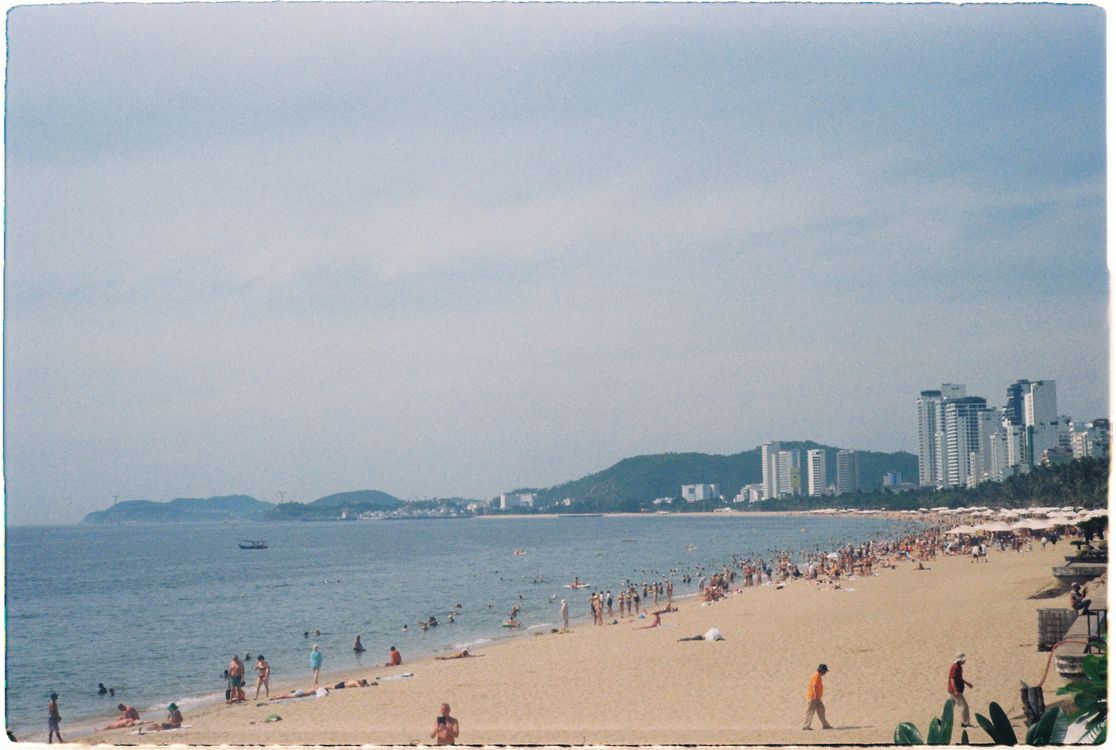
First time I stood on Nha Trang’s beach, I genuinely thought it was a postcard. Seven kilometers of sand curving along the shore, Vinpearl’s cable cars gliding overhead to the island. Then I turned around and there was a city behind me — hotels, seafood joints, massage parlors, the lot.
This is the pick if you want options. Island hopping tours run daily — Hon Mun has the coral reefs, Hon Tam has the chill beaches, and most 3-island tours land you in a floating fishing village for lunch. Prices sit around 725,000 – 1,125,000 VND per person including lunch. Want to go deeper? Mud baths are a Nha Trang institution, 120,000 – 300,000 VND depending on the resort. Vinpearl’s amusement park and aquarium is a full-day thing if you’re traveling with kids — entry from about 500,000 VND.
Food is a whole scene on its own — we’ve got a full guide to what locals actually order in Nha Trang. Seafood is the headline, obviously. The beach vendors can be pushy — that’s the one downside — and the main beach gets properly crowded by 10am.
- Pros: endless things to do, great diving and snorkeling, easy 1-hour flight from Saigon, huge range of hotels
- Cons: busy, touristy, pushy vendors, prices higher than the rest of the coast
Best for: first-timers, families, divers, anyone who gets twitchy with nothing on the schedule.
Mui Ne — The Dune Town That Doesn’t Try to Impress You
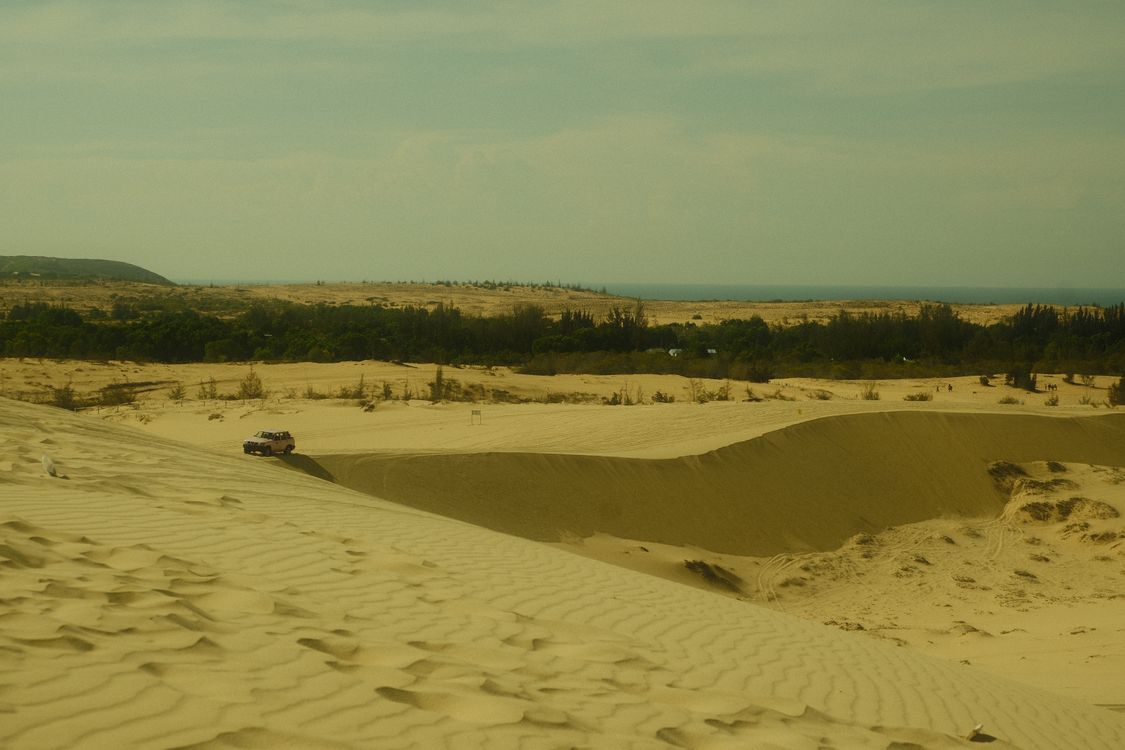
Mui Ne doesn’t have a skyline. No cable car. No theme park. It’s a strip of beach road, some of the best seafood in the country, and a desert that sits right next to the ocean. And that’s exactly why people love it.
The dunes are the headline. Red dunes at sunset, white dunes at sunrise — you can slide down them on a plastic board (~50,000 VND) or tear across on an ATV (300,000 – 800,000 VND). The Fairy Stream is a free, weirdly beautiful walk up a shallow red creek. The fishing village is a 20-minute photo stop. None of it feels manufactured.
There’s a catch, and it’s a big one: kitesurfing season runs November to April. Mui Ne is one of Asia’s best kite spots, but if you show up in August expecting wind, you’ll get a flat, calm sea. The town is also deep in its rainy season from roughly April to October — not a dealbreaker, but don’t expect a week of unbroken sunshine.
- Pros: cheap (hotels from ~500,000 VND/night), peaceful, unique dune landscape, incredible seafood
- Cons: little to do after dark, rainy season Apr–Oct, wind sports only Nov–Apr
Best for: budget travelers, kitesurfers (in season), couples, and anyone whose ideal beach day involves a hammock and zero plans.
The August Catch — Don’t Book Mui Ne for Kitesurfing in August
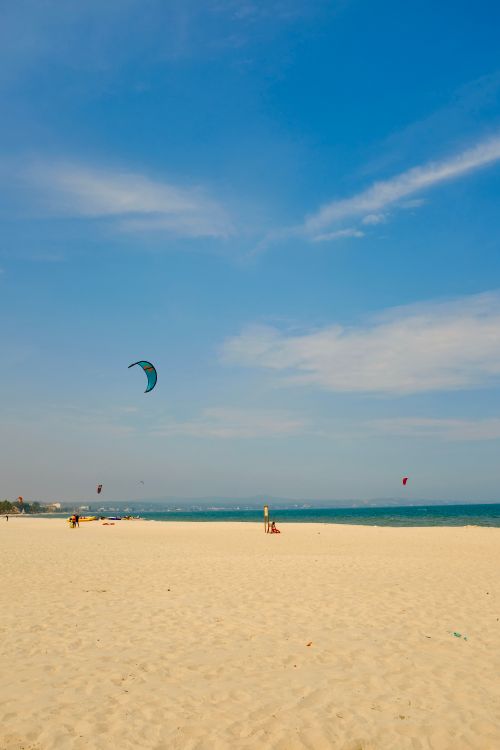
Here’s the thing most travel blogs won’t tell you: August favors Nha Trang, hard. Nha Trang’s dry season runs February to August, so August is one of its best months — sunny, calm sea, perfect island-hopping weather. Mui Ne, meanwhile, is in its rainy season with the kite wind nowhere to be seen until November.
I’ve seen travelers arrive in Mui Ne in August expecting kite season and leave disappointed. If you’re set on Mui Ne, go November to March. If your dates are fixed for August and you want guaranteed beach weather, Nha Trang is the safer call.
One more honest note: Mui Ne gets mixed reviews from travelers who want constant action — plenty of forum threads call it boring, and a few complain about beach litter in the off-season. It’s not a bad place. It’s just quiet. Quiet is the whole point.
FAQs — What Travelers Are Actually Asking
“Nha Trang or Mui Ne — which is better?”
Depends what you want out of the trip. Long-time Vietnam travelers on TripAdvisor sums it up: Mui Ne is more laid back; Nha Trang has far more to do. One forum regular who spent 5 days in Mui Ne and 4 in Nha Trang said he liked both but preferred Mui Ne — it was slower, cheaper, and less crowded. Your personality decides this one.
“Is Mui Ne worth going?”
Honest answer: it’s the most divisive beach town in Vietnam. Reddit has a thread literally titled “Skip Mui Ne” next to people calling it their favorite week in the country. If you want a resort holiday with activities, skip it. If you want cheap seafood, dunes, and zero itinerary, it delivers.
“Can I do both in one trip?”
Yes, and a lot of people do — there’s a bus between them (~4–5 hours) via Phan Thiet. A common split is 2–3 nights in Mui Ne for the dunes and chill, then a few days in Nha Trang for islands and nightlife. Or the other way, if you want to end relaxed.
“When’s the best time for Mui Ne kitesurfing?”
November to April, peaking December to March. The wind basically switches off May to September. If kitesurfing is the reason you’re going, plan around that, not the other way.
“Is Nha Trang beach good for swimming?”
Yes — warm, calm water for most of the year, and August is about as good as it gets. Watch out for jellyfish later in the year (roughly October–December). The main beach is fine; the islands are better if you want clear water.
The Short Version
Choose Nha Trang if you want options: island hopping, mud baths, nightlife, and a beach city with real infrastructure behind it. Choose Mui Ne if you want cheap, quiet, and a little weird — sand dunes, fishing villages, and long afternoons doing absolutely nothing.
If you’re traveling north afterward, Da Nang and Hue are a short flight from Nha Trang — and if Hue is on your list, check out MIA Hue Tours for the best local experiences in the old capital. Either way, you’ll fly into Tan Son Nhat first — our private airport transfer gets you to your hotel without the arrival chaos, and we can help you plan the whole beach leg. For more context on picking a beach base, see our beaches near HCMC comparison and the Nha Trang vs Da Nang breakdown.
Need help sorting out your route? WhatsApp/Zalo: +84 70 6666 520 — we run tours and transfers all over Vietnam and we’re happy to point you the right way.


Content summary
Other blogOther blog
Related blogs

What to Eat in Hue — 10 Dishes Locals Actually Eat
Hue is Vietnam’s food capital and criminally underrated. Here are 10 dishes locals actually eat — where to find them and what they cost.
Where to Stay in Hoi An — Best Areas & Hotels for Every Budget
Old Town or the beach? Here’s the honest breakdown of every Hoi An neighborhood — what each one is like, who it suits, and real hotels at real prices.
10 Best Things to Do in Ben Tre — Coconut Canals, Sunset Birds & Real Mekong Life
Only 85km from Saigon, Ben Tre is the Mekong at its most authentic. Here are 10 things to do — coconut canals, warm candy, sunset storks and food worth the drive.