




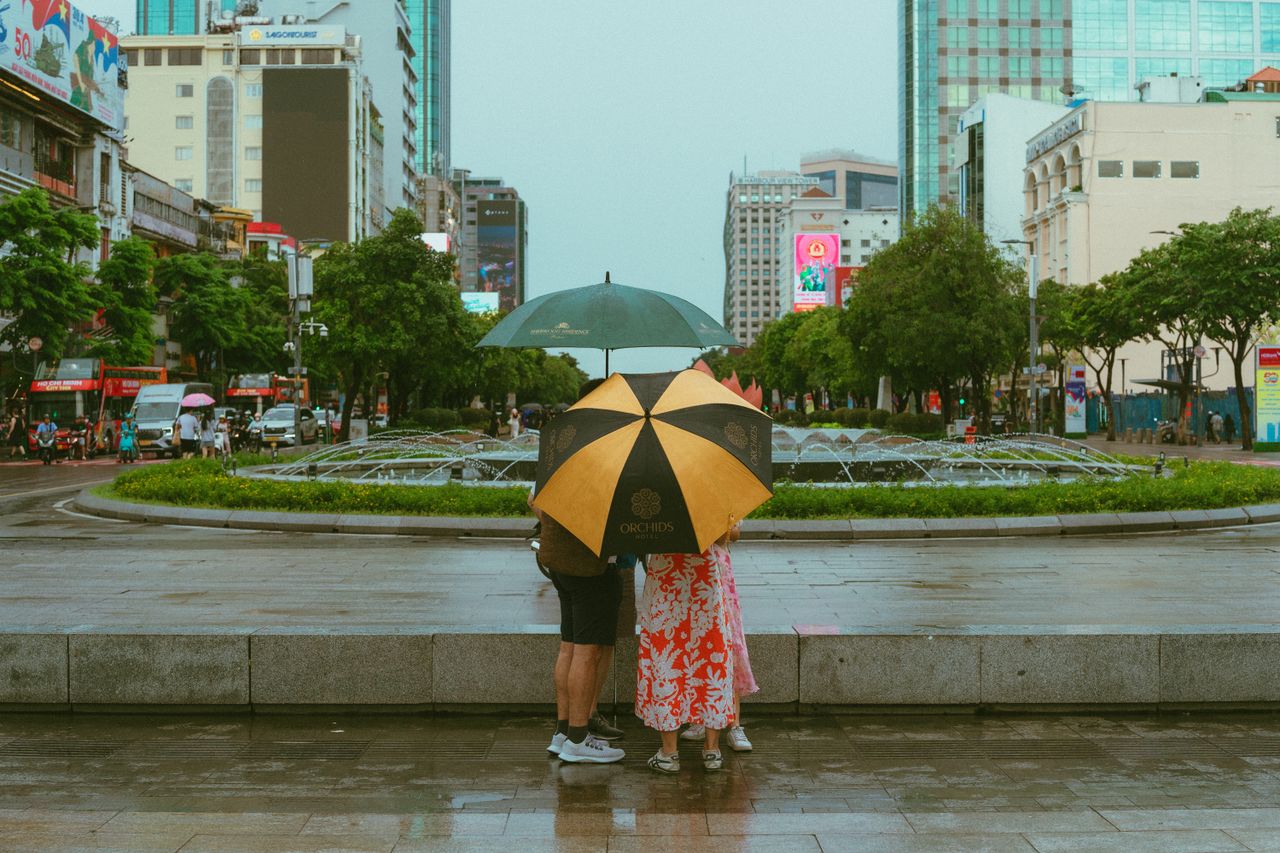


Vietnam Rainy Season Guide – What to Actually Expect
Worried about Vietnam’s rainy season ruining your trip? Don’t be. Here’s what the monsoon is really like in the north, center, and south — and why some months are actually the best time to visit.
You booked your dream trip to Vietnam. Then you check the weather forecast and it says rain, rain, rain — every single day. Panic sets in.
Don’t cancel. Vietnam’s rainy season isn’t what you think. It doesn’t rain all day. It doesn’t ruin your trip. And in some places, it’s actually the best time to visit — fewer crowds, greener landscapes, and prices that can drop by 30–50%.
We run tours in Vietnam year-round. Here’s what the rainy season is really like, broken down by region, with honest advice on when to go and when to avoid.
The Short Version
Vietnam doesn’t have one rainy season. It has three, depending on where you are. The north, center, and south each follow their own weather calendar. You could be dodging monsoons in Hanoi while enjoying perfect beach weather in Phu Quoc — on the same day.
| Region | Rainy Months | What to Expect |
|---|---|---|
| North (Hanoi, Sapa, Ha Long) | May – Sep | Hot + humid, short heavy downpours, occasional typhoons |
| Center (Hue, Da Nang, Hoi An) | Sep – Dec | Longer rain spells, flooding risk in Hue/Hoi An |
| South (Saigon, Mekong, Phu Quoc) | May – Nov | Daily 1–2 hour storms, usually late afternoon. Rest of the day is fine |
Southern Vietnam: Afternoon Storms, Not All-Day Rain
A friend who moved to Saigon from London told us she almost canceled her flight because the forecast showed thunderstorm icons every single day for two weeks. Then she arrived and realized: it rains for 45 minutes at 3 PM, and the rest of the day is sunny. She felt stupid. Don’t be her.
Saigon and the Mekong Delta follow a reliable pattern during rainy season (May–November): clear mornings, building humidity, a dramatic downpour between 2–5 PM, then clear evenings. The streets flood temporarily — it’s actually kind of fun to watch if you’re on a balcony with a beer.
What about Phu Quoc? July–September is the wettest period. Storms can be more persistent here, and some boat trips get canceled. But if you’re flexible, you’ll still get beach days. November–April is the sweet spot for the island.
Central Vietnam: The Tricky One
Here’s the part most guides won’t tell you clearly: Hoi An floods. Every year, between October and December, the Thu Bon River rises and the Old Town turns into a water world. Shops put sandbags at their doors. Tourists wade through knee-deep water. Some people think it’s magical. Others curse their travel agent.
If you’re visiting central Vietnam from September through December, keep your itinerary flexible. Da Nang is 30 minutes from Hoi An and rarely floods — you can stay there and day-trip to the Old Town when the weather cooperates. Hue gets heavy rain too, but it’s manageable with a good rain jacket.
- Best months for central Vietnam: February – August
- Riskiest months: October – November
- Pro tip: Book refundable hotels in Hoi An during flood season. You might need to relocate to Da Nang on short notice
Northern Vietnam: Hot, Wet, and Still Worth It
May through September in Hanoi is brutally humid. You’ll sweat through your shirt by 9 AM, and then a thunderstorm will dump on you around 4 PM. But here’s the thing: this is also when the rice terraces in Sapa and Ha Giang are at their greenest. The landscapes are unreal.
Ha Long Bay is a coin toss during rainy season. You might get moody, atmospheric mist that makes for incredible photos. Or you might get a canceled cruise and a refund. If Ha Long is your must-do, aim for October–December or March–May instead.
How to Actually Enjoy Vietnam’s Rainy Season
- Start your day early. Mornings are reliably dry. Do outdoor stuff before noon
- Plan an afternoon activity. Museums, cooking classes, coffee shops. The rain becomes your excuse to slow down
- Bring a poncho, not an umbrella. You can buy one for 20,000 VND at any convenience store. Umbrellas are useless on a motorbike
- Wear sandals, not sneakers. Streets flood fast. Wet sneakers for 3 days will ruin your trip
- Book flexible transport. Domestic flights get delayed during heavy storms. Leave buffer days between flights and international connections
- Embrace it. Some of our best tour memories are from rainy days — huddling under a tarp in the Mekong, eating hot pho while the rain hammers the river

The One Month to Actually Avoid
If you can only visit once and want to be safe: skip October. It’s the wettest month for central Vietnam (floods), the tail end of the southern rainy season, and the transition to winter up north. Every other month has at least one region at its best.
Bottom Line
Vietnam’s rainy season doesn’t mean gray skies and ruined plans. It means greener rice fields, empty tourist sites, cheaper hotels, and an excuse to eat pho in the rain — which is honestly the best way to eat it.
If you’re flexible and pack a poncho, you’ll have a better trip than the people who came in dry season and fought through crowds at every stop. Check our year-round tours and transfers — we’ll help you plan around the weather, not fight it.


Content summary
Other blogOther blog
Related blogs

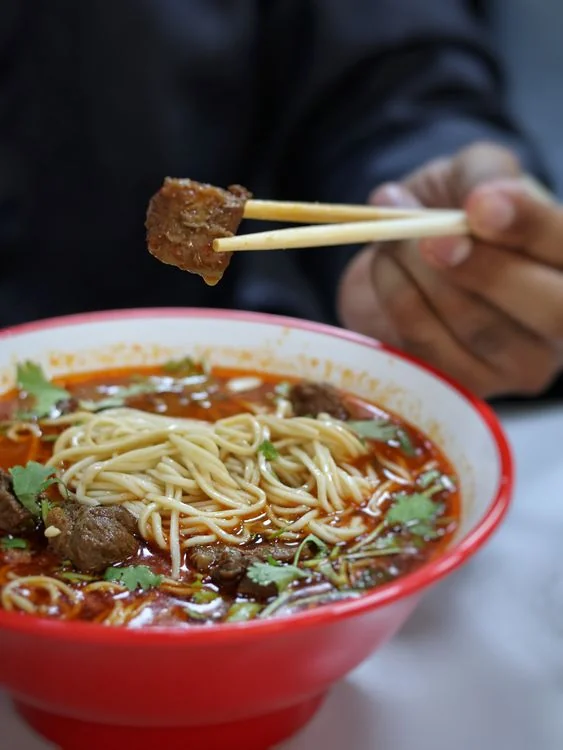
What to Eat in Hue — 10 Dishes Locals Actually Eat
Hue is Vietnam’s food capital and criminally underrated. Here are 10 dishes locals actually eat — where to find them and what they cost.
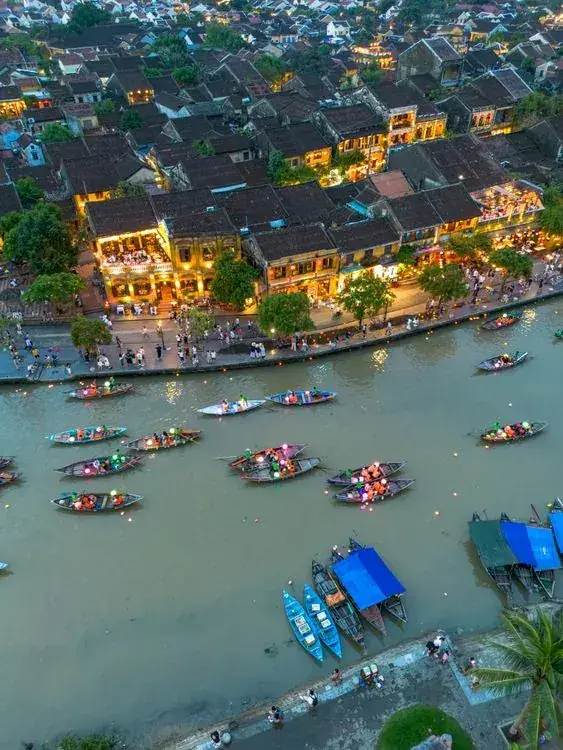
Where to Stay in Hoi An — Best Areas & Hotels for Every Budget
Old Town or the beach? Here’s the honest breakdown of every Hoi An neighborhood — what each one is like, who it suits, and real hotels at real prices.
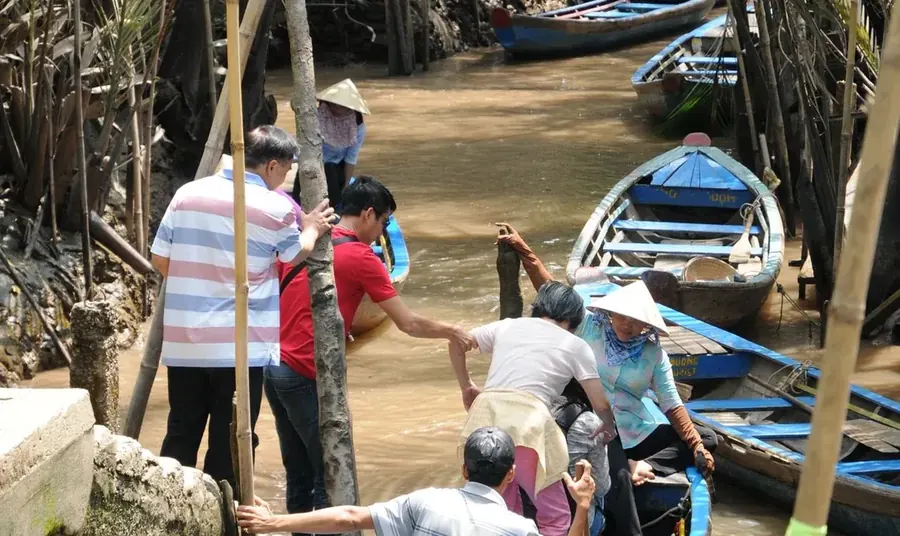
10 Best Things to Do in Ben Tre — Coconut Canals, Sunset Birds & Real Mekong Life
Only 85km from Saigon, Ben Tre is the Mekong at its most authentic. Here are 10 things to do — coconut canals, warm candy, sunset storks and food worth the drive.