




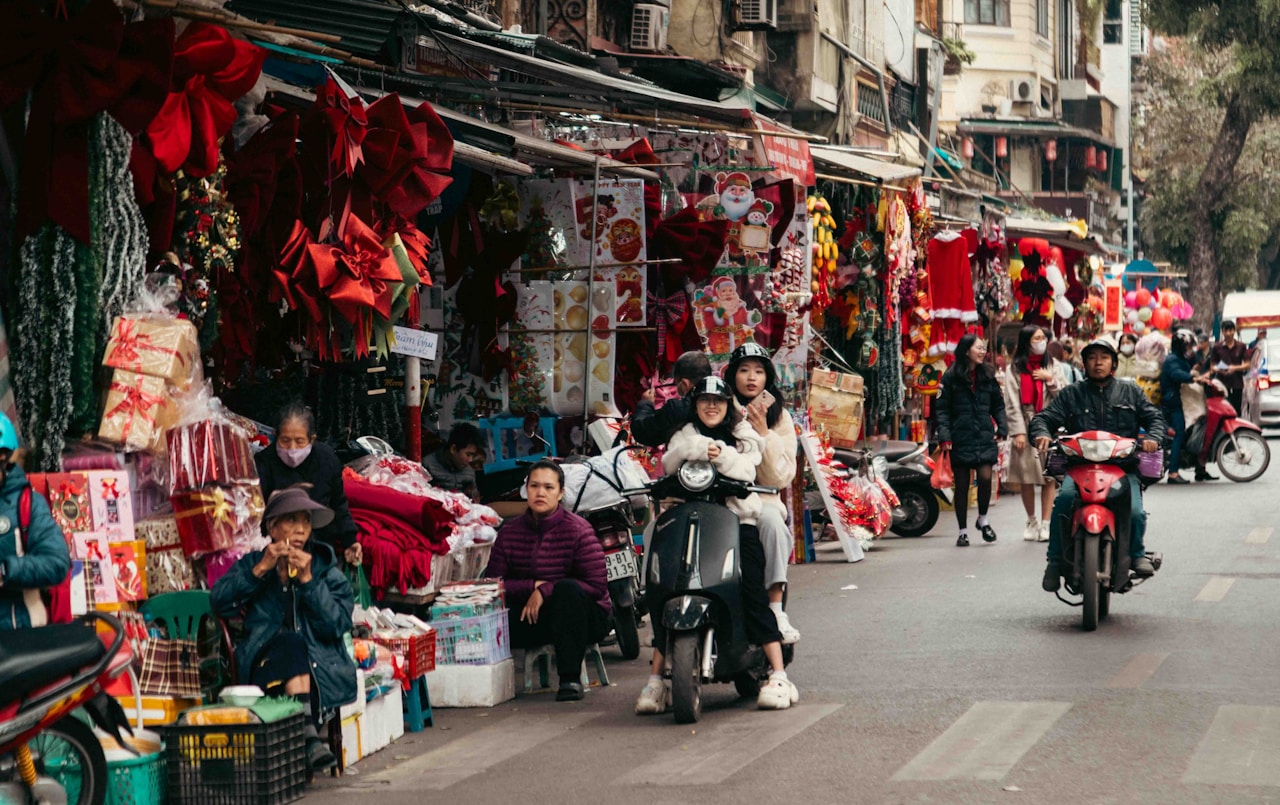


7 Common Scams in Vietnam and How to Avoid Them
Worried about getting scammed on your Vietnam trip? Here are 7 of the most common traps travelers fall for — exactly how they work, and how to dodge every single one.
You step out of Tan Son Nhat airport in Ho Chi Minh City. Within 30 seconds, three taxi drivers swarm you. One says your hotel “is closed.” Another offers a “special price.” The third just smiles and points at his car.
Welcome to Vietnam. It’s one of the safest and friendliest countries in Southeast Asia — but like anywhere with lots of tourists, a few people will try to take advantage. The good news? Most scams are easy to spot once you know what to look for.
Here are the 7 most common scams in Vietnam, based on what travelers actually run into. Plus exactly how to avoid each one.
1. The Fake Taxi
A British backpacker we met in Hanoi told us his first ride from Noi Bai Airport cost him 800,000 VND (~$32 USD). A fair price? About 250,000 VND. His taxi had Vinasun colors, but the logo was slightly off — a classic knockoff.
Where: Airports, bus stations, train stations in big cities
How it works: Unlicensed taxis mimic reputable brands (Vinasun white, Mai Linh green). Some have rigged meters. Others use the “your hotel is closed” trick to take you somewhere else.
How to avoid it:
- Use the Grab app (Southeast Asia’s Uber). Price shows on your phone. No haggling, no surprises.
- Only ride Vinasun or Mai Linh — the real ones. Check the logo closely.
- Book a private airport transfer in advance if you want zero stress.
- Never follow a driver who says your hotel is “closed” or “full.”
2. The Motorbike Rental Damage Scam
You rent a shiny Honda Blade in Hoi An. Two days later, the owner points at a scratch you swear wasn’t there. He demands 2,000,000 VND for repairs and holds your passport until you pay.
This is the oldest motorbike scam in Southeast Asia. Some rental places will even “steal” their own bike back, then call you saying it was found damaged.
Where: Hoi An, Da Nang, Hanoi, Nha Trang
How it works: Passport held as deposit. Pre-existing damage blamed on you. Or the bike gets “stolen” and you owe for the loss.
How to avoid it:
- Photograph and video the ENTIRE bike before riding. Every scratch, dent, and scuff.
- Ask your hotel or hostel for trusted rental recommendations — they won’t send you to a bad shop.
- Never leave your passport as deposit. Offer a cash deposit instead.
3. The Shoe Shine Trap
You’re walking through District 1 in Saigon. A man with a small wooden box points at your shoes. “Dirty,” he says. Before you can react, he’s on his knees, brush in hand, polishing your left shoe. Then he asks for 200,000 VND.
Where: Tourist streets in Ho Chi Minh City and Hanoi
How it works: Someone starts cleaning or repairing your shoes without asking, then demands payment — often 10x the reasonable price.
How to avoid it: Keep walking. Don’t stop. A firm “No, thank you” and keep moving. They won’t chase you far.
4. The Fruit Basket Photo Scam
Those gorgeous baskets of dragon fruit and coconuts at Ben Thanh Market? Perfect photo op, right? Until the seller hands you a coconut, you take a sip, and suddenly it’s 100,000 VND. A coconut costs about 20,000 VND.
Where: Ben Thanh Market (HCMC), night markets, tourist-heavy areas
How it works: Seller invites you to take a photo with decorative fruit, then demands you buy at an inflated price. Or they chop fruit open and pressure you.
How to avoid it:
- Agree on a price BEFORE you touch anything.
- A fair coconut is 10,000–30,000 VND. If they won’t name a price first, walk away.
- Same rule applies at any market — don’t touch what you don’t intend to buy.
5. The Currency Confusion Trick
Vietnamese dong can be confusing. The 20,000 VND note (blue) and the 500,000 VND note (also blue) look almost identical to a new arrival. Some vendors rely on that.
Where: Anywhere cash changes hands — taxis, markets, street food stalls
How it works: You hand over a 500,000 VND note for a 50,000 VND item. The vendor claims you gave a 20,000 VND note and demands more. Or they switch your large note for a small one and show you as “proof.”
How to avoid it:
- Learn the notes. The 500,000 VND is blue with “500,000” clearly printed. The 20,000 VND is also blue but says “20,000.”
- State the amount out loud when handing over cash. “Here’s 500,000.”
- Pay with smaller bills when possible. Break large notes at convenience stores like Circle K.
- Count your change carefully before pocketing it.
6. The Missing Menu Prices
Rule of thumb: if there’s no price on the menu, there’s a price on your bill — and it’s higher than it should be.
Where: Tourist-heavy restaurants, especially near Hoan Kiem Lake (Hanoi), Bui Vien (HCMC), and beachfront spots in Nha Trang
How it works: No prices displayed. After you eat, the bill is 2-3x a fair price. When you question it, they point at a small-print menu with different numbers.
How to avoid it:
- Only sit down where prices are clearly listed on the menu.
- Same for the “free peanuts” trap — snacks brought to your table without asking often get added to the bill. Politely send them back.
- Ask for the price of any specials before ordering.
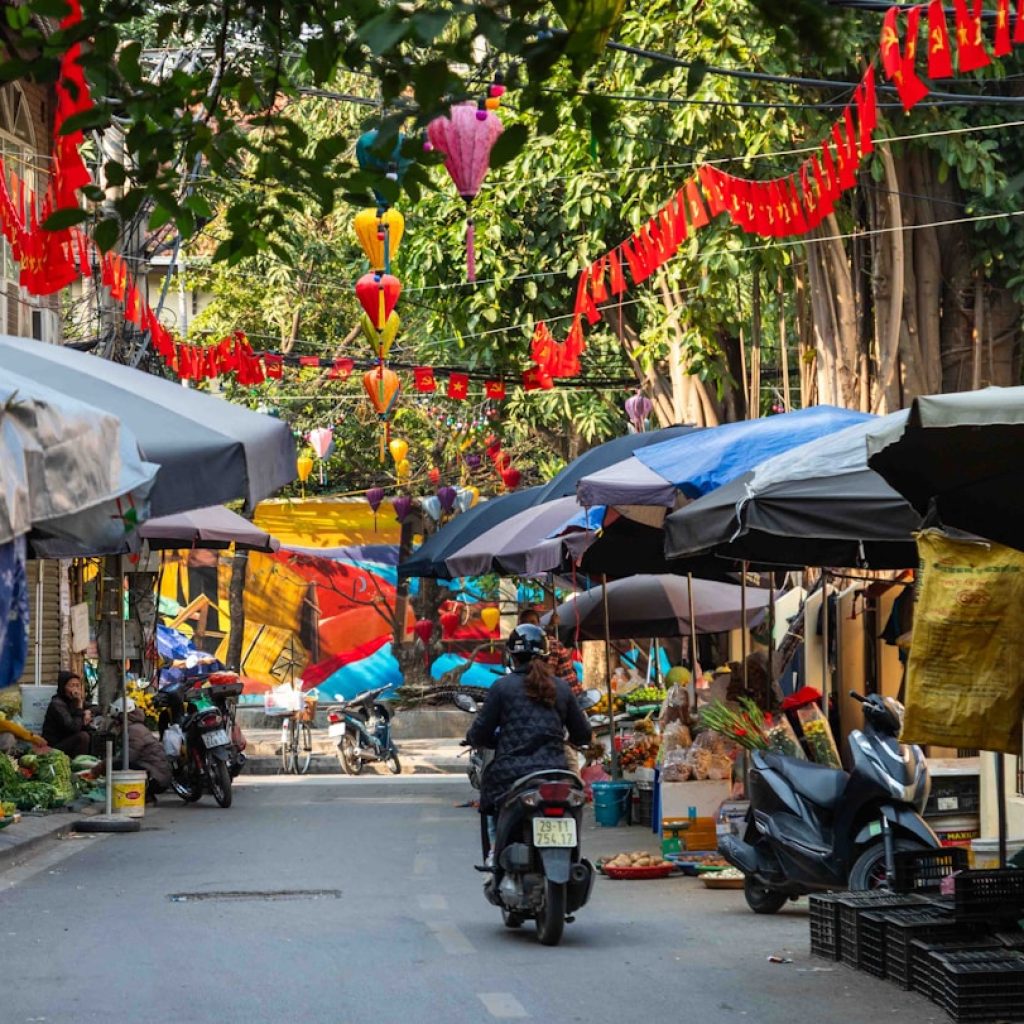
7. The SIM Card That Dies in a Day
“This 30-day unlimited data card? Only 150,000 VND,” the guy at the corner shop says with a smile. Three days later, it stops working. You’re out of money and data.
Where: Airport kiosks, corner shops, random street stalls
How it works: Vendors buy bulk SIMs with pre-activated short-term plans. What they sell as “30 days” might actually have 3 days of data. Or they register the SIM in a stranger’s name, so it gets blocked.
How to avoid it:
- Buy SIMs from official stores — Viettel, Mobifone, or Vinaphone. They’re everywhere in cities.
- Better yet, get an eSIM before you arrive from providers like Airalo or Gigago. Activate it before landing and you’re connected instantly.
| Scam | Where You’ll Find It | Typical Loss | Best Defense |
|---|---|---|---|
| Fake Taxi | Airports, bus stations | 500,000 – 800,000+ VND | Use Grab app |
| Bike Rental Damage | Hoi An, Da Nang, Hanoi | 1,000,000 – 5,000,000 VND | Video the bike |
| Shoe Shine | District 1, Old Quarter | 100,000 – 200,000 VND | Keep walking |
| Fruit Photo | Ben Thanh, night markets | 50,000 – 100,000 VND | Price first |
| Currency Confusion | Taxis, market stalls | 200,000 – 500,000 VND | Use small bills |
| Missing Menu Prices | Tourist restaurants | 50,000 – 200,000 VND extra | Check prices first |
| Fake SIM Card | Airport kiosks, street shops | 100,000 – 300,000 VND | Buy from official store |
Before You Go
- Grab app is your best friend. Download it before you arrive. Works for taxis, motorbike taxis, and food delivery. All prices upfront.
- Carry small bills. Having 20,000s and 50,000s handy makes life easier and avoids the currency trick.
- Keep your phone tucked away near streets. Phone snatching from motorbikes happens — use your phone facing a wall, not the road.
- Use ATMs inside banks, not street-side machines. Less chance of skimmers.
- Book tours through reputable platforms like Klook or your hotel — not random street agencies.
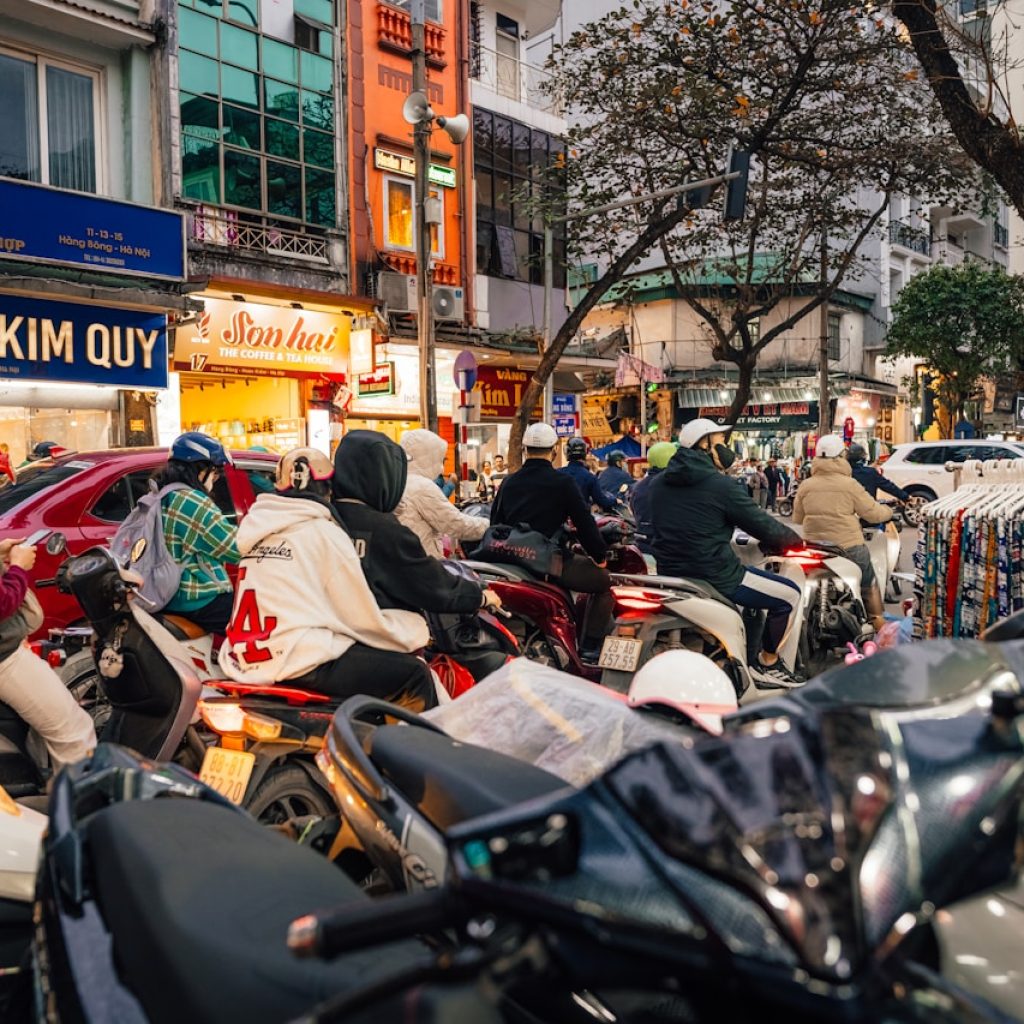
Bottom Line
Vietnam is not a dangerous country. Violent crime against tourists is extremely rare. The risk here is mostly small-time — overpaying for a taxi, getting shortchanged, or being pressured into buying something you didn’t want.
Learn the notes. Use Grab. Walk past the shoe shine guy. Check menu prices. Take photos of your rental bike. That’s basically it. These 7 scams cover about 90% of what travelers experience.
Got the basics down? You can relax and actually enjoy Vietnam — the food, the scenery, the chaos. It’s worth it. If you would like a guided experience, browse our current tours and choose an itinerary that suits your plans.


Content summary
Other blogOther blog
Related blogs

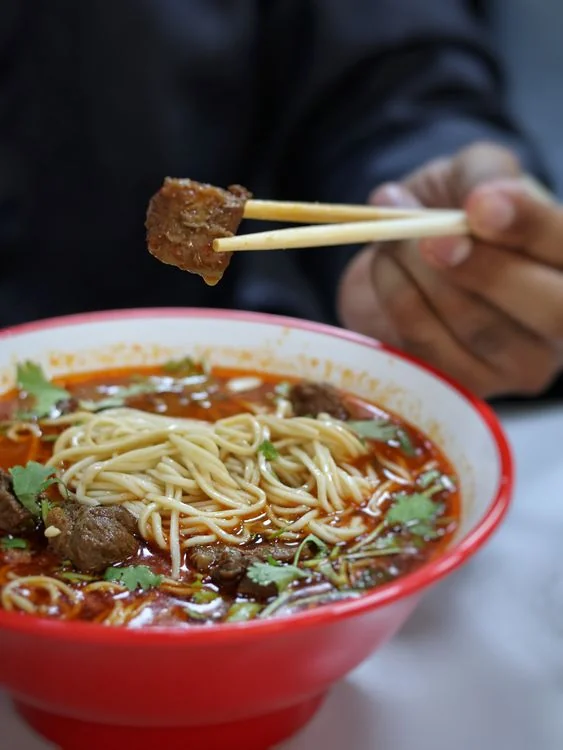
What to Eat in Hue — 10 Dishes Locals Actually Eat
Hue is Vietnam’s food capital and criminally underrated. Here are 10 dishes locals actually eat — where to find them and what they cost.

Where to Stay in Hoi An — Best Areas & Hotels for Every Budget
Old Town or the beach? Here’s the honest breakdown of every Hoi An neighborhood — what each one is like, who it suits, and real hotels at real prices.

10 Best Things to Do in Ben Tre — Coconut Canals, Sunset Birds & Real Mekong Life
Only 85km from Saigon, Ben Tre is the Mekong at its most authentic. Here are 10 things to do — coconut canals, warm candy, sunset storks and food worth the drive.