




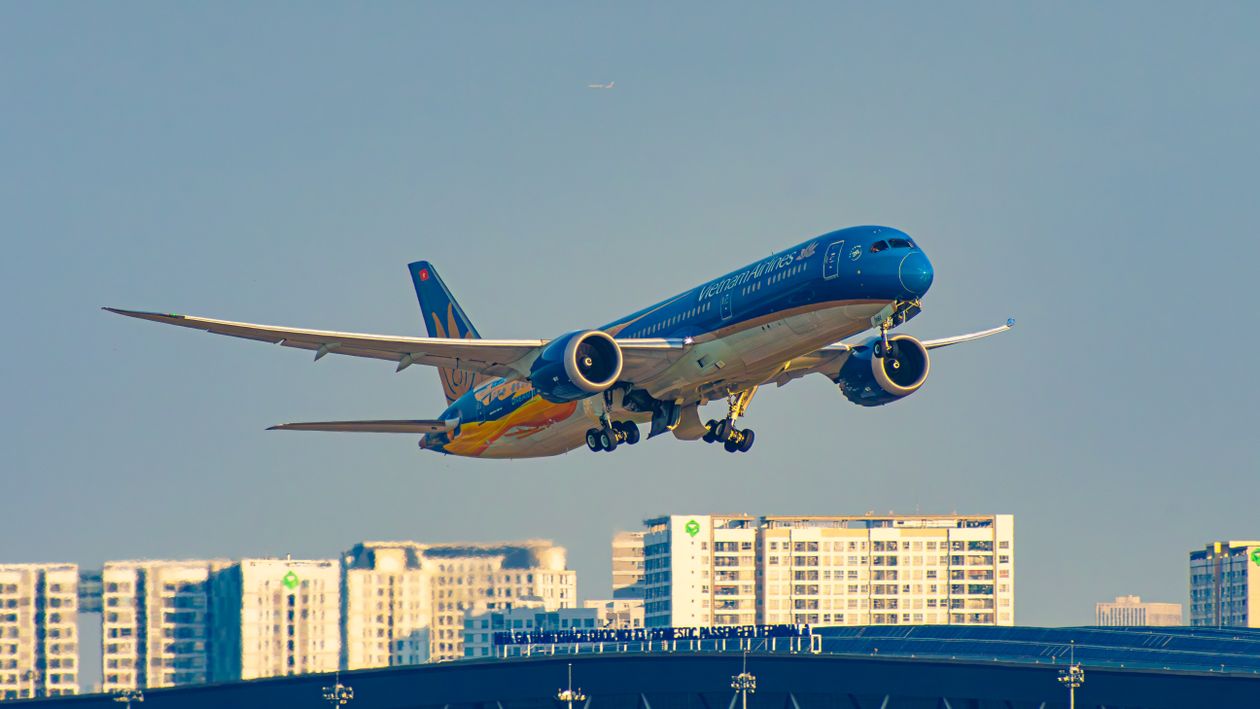


Tan Son Nhat Terminal T1 Is Being Rebuilt — With a Tunnel to T3 and International Flights (2026)
Tan Son Nhat’s T1 terminal is being rebuilt with a tunnel to T3 and international flights. Here’s what it means for travelers landing in Saigon.
Vietnam’s busiest airport is about to look completely different. This week, the Airports Corporation of Vietnam (ACV) confirmed what’s been rumored for months: Terminal T1 at Tan Son Nhat — the old domestic hall — is getting torn down and rebuilt from scratch.
Here’s why you should care, even if you’re just passing through Ho Chi Minh City: the new T1 won’t be domestic-only anymore. It’s picking up international flights too, and it’ll connect to Terminal T3 through an underground tunnel. For a city where the airport has been a headache for years, that’s a real shift.
Here’s what’s actually happening, what it means for your trip, and when it starts to matter.
What’s Actually Being Built
T1 has been around since 1963–64. The original French-built terminal was 1,800 m²; after decades of patchwork expansion it hit roughly 41,000 m² and a design capacity of 15 million passengers a year by 2023. On peak holiday days it actually pushed close to 100,000 people through in a single day — about double what it was built for.
ACV’s verdict: don’t patch it, rebuild it. The plan is to demolish T1 and put up a bigger, modern terminal, plus the old passenger-zone area (House A), all wired with underground infrastructure.
Right now T1 mostly sits quiet — most airlines already moved to the newer T3 when it opened in April 2025, and today T1 essentially serves VietJet’s domestic flights. So the rebuild won’t grind the whole airport to a halt.
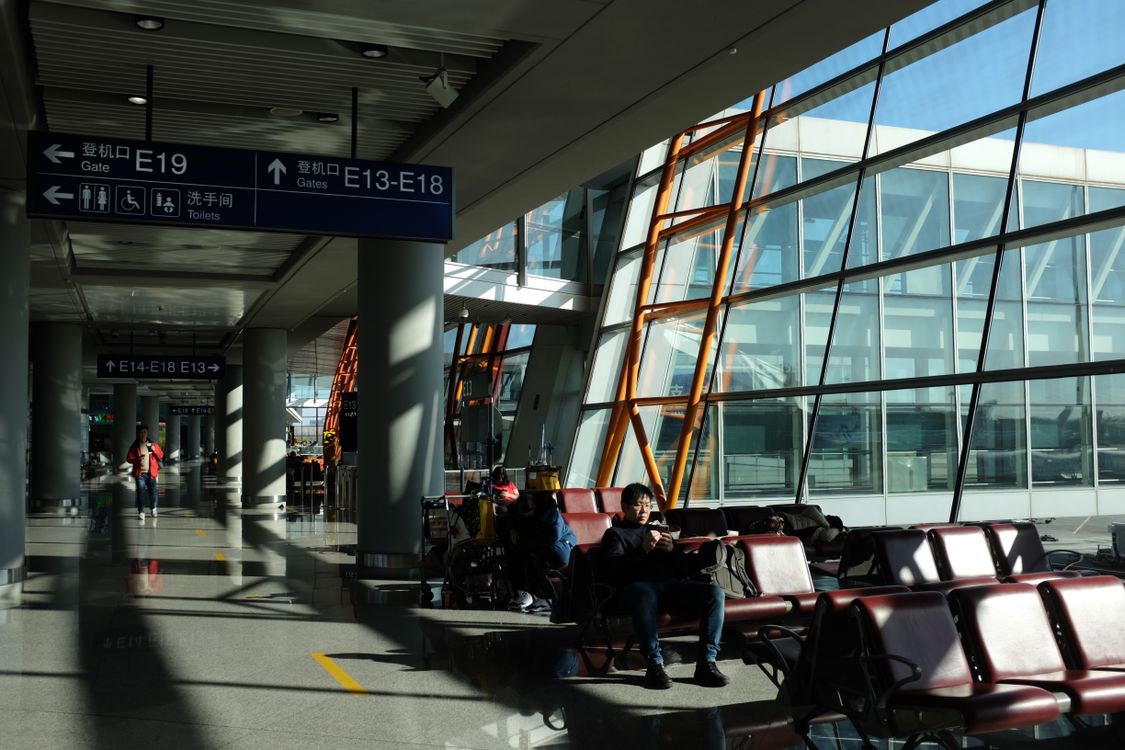
The Underground Tunnels — Why They Matter
Two tunnels are the headline of this rebuild, and both fix problems you can see the moment you arrive.
First, a tunnel from T1 straight to T3. Today there’s no direct link between those two terminals — if you need to get from one to the other, you’re routing around the outside of the airport on public roads. The tunnel collapses that into a single indoor walk.
Second, a tunnel from the terminal down to the TCP car park. Right now passengers walk across a live airport road to reach the parking building — pedestrians cutting through vehicle traffic. It’s ugly and it’s dangerous. Burying that flow underground gets people off the road entirely.
For a transfer company like ours, this is the part we’re excited about. We’ve collected plenty of guests at T1 where the pickup curb is a tangle of crossing pedestrians and drivers who aren’t sure which lane is which. An underground walk changes the whole feel of arriving.
Which Terminal Will I Use?
Until T1 reopens, the layout you’ll meet today is:
| Terminal | Handles | Current status |
|---|---|---|
| T1 | Domestic (mostly VietJet) | Quiet — being rebuilt |
| T2 | International (main hall) | Busy and often overcrowded |
| T3 | Domestic (opened April 2025) | New, handles most domestic carriers |
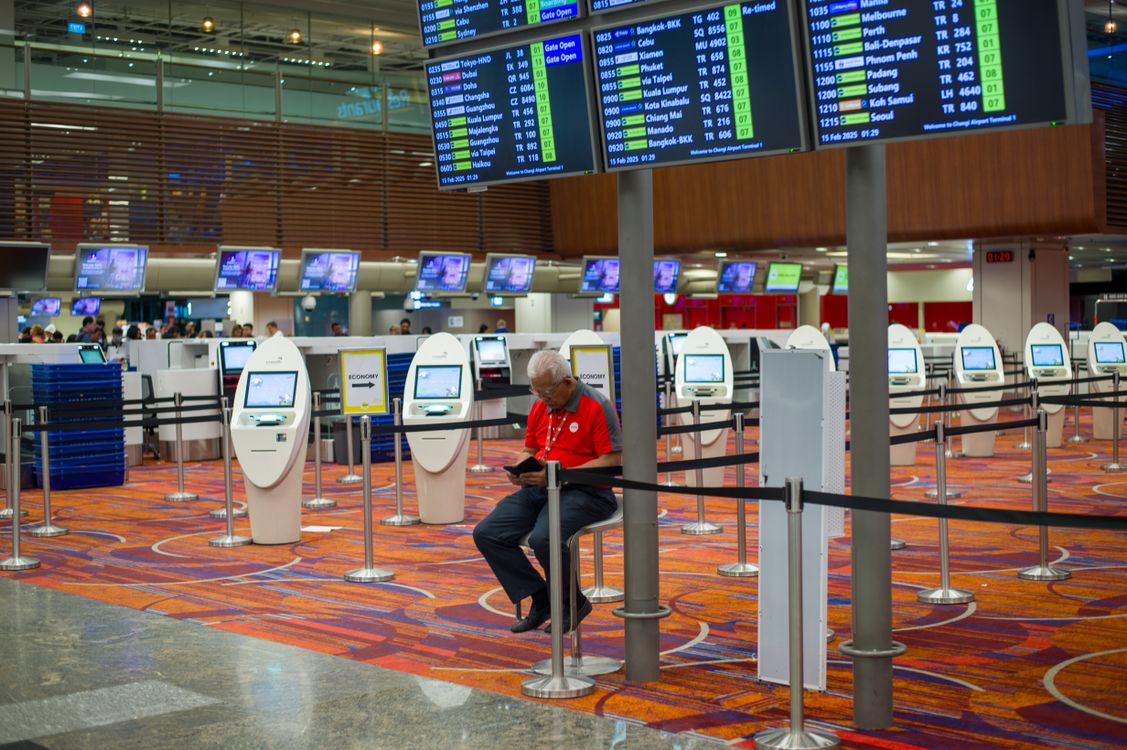
After the rebuild, T1 joins T2 in taking international flights. That’s the whole point — T2 is overloaded, and giving T1 an international role spreads the load. Your boarding pass and airline app will always name the terminal, so check that before you head out rather than guessing.
What This Means for International Travelers
- More room at international arrivals. T2 has been running hot for years. A second international-capable terminal takes pressure off the one everyone already uses.
- Easier mixed itineraries. Flying into Saigon internationally and catching a domestic hop? Once T1↔T3 are tunnel-linked, moving between your international and domestic legs inside Tan Son Nhat gets simpler.
- The airport isn’t going anywhere. ACV was blunt about this: even when Long Thanh airport opens, Tan Son Nhat keeps running at 50 million passengers a year. No shutdown, no downsizing.
- A ‘pair of airports’ model. The plan splits the market — Tan Son Nhat keeps domestic plus short- and medium-haul international; Long Thanh becomes the long-haul international gateway. More total capacity for the whole region.
- A calmer arrival. No more dodging cars on foot to reach your ride. Small thing, but you notice it at 11pm after a long flight.
We’ve done hundreds of airport pickups here, and the difference between a smooth terminal and a chaotic one usually comes down to exactly this kind of flow fix.
FAQs — What Travelers Are Actually Asking
Is T1 closing now? Not yet. ACV has announced the plan but hasn’t published a construction start date or closure timeline. Since T1 is already running light (mostly VietJet domestic), operations can shift to T3 during the work. We’ll update this post when a date lands.
Which terminal for my international flight? T2 is still the main international terminal. After T1 reopens it may take some international flights — but your ticket and airline app tell you the terminal. Don’t assume; check.
Can I walk between terminals today? Between T1 and T3, no direct link yet — you go around outside or take a shuttle. T2 and T3 are connected by a shuttle bus. After the rebuild, T1↔T3 will be an indoor tunnel walk.
Is Tan Son Nhat shutting down when Long Thanh opens? No. ACV confirmed both airports run as a pair, TSN at 50M passengers/year.
How do I get from the airport to District 1? Grab or taxi runs 20–40 minutes depending on traffic. We also run private airport transfers if you’d rather have a driver waiting with your name on a board.
⚠️ Important Warning
Terminal confusion is the easiest way to miss a flight in Ho Chi Minh. Travelers constantly mix up T1/T2/T3 — we see it on Reddit and in our own booking chats. Two things to avoid:
- Don’t trust a taxi driver who ‘knows’ your terminal. Confirm the terminal on your booking, then confirm the drop-off point when you get in.
- Pre-booking a transfer (with us or another operator) means the driver checks your flight and goes to the right terminal. Worth it on a tight connection.
What’s Coming Next
The bigger picture: Long Thanh International Airport is targeted to open in late 2026. When it does, Tan Son Nhat doesn’t shrink — it gets rebuilt and reinforced. The two will split the market, with TSN keeping domestic and shorter international routes. For travelers, that means more capacity and (eventually) less crowding at both ends.
We covered the Long Thanh impact on the region separately if you want the full breakdown.
The Short Version
Tan Son Nhat’s T1 is being demolished and rebuilt — bigger, modern, with a tunnel to T3 and international flights added. It won’t close the airport, and TSN stays open at full capacity even after Long Thanh launches. For you: more international room, easier terminal transfers, and a safer walk to your car or transfer.
Before you fly, sort your Vietnam visa. Landing in Saigon and want the pickup sorted in advance? Book an airport transfer with AN Tours, or message us on WhatsApp/Zalo: +84 70 6666 520.


Content summary
Other blogOther blog
Related blogs

What to Eat in Hue — 10 Dishes Locals Actually Eat
Hue is Vietnam’s food capital and criminally underrated. Here are 10 dishes locals actually eat — where to find them and what they cost.
Where to Stay in Hoi An — Best Areas & Hotels for Every Budget
Old Town or the beach? Here’s the honest breakdown of every Hoi An neighborhood — what each one is like, who it suits, and real hotels at real prices.

10 Best Things to Do in Ben Tre — Coconut Canals, Sunset Birds & Real Mekong Life
Only 85km from Saigon, Ben Tre is the Mekong at its most authentic. Here are 10 things to do — coconut canals, warm candy, sunset storks and food worth the drive.