




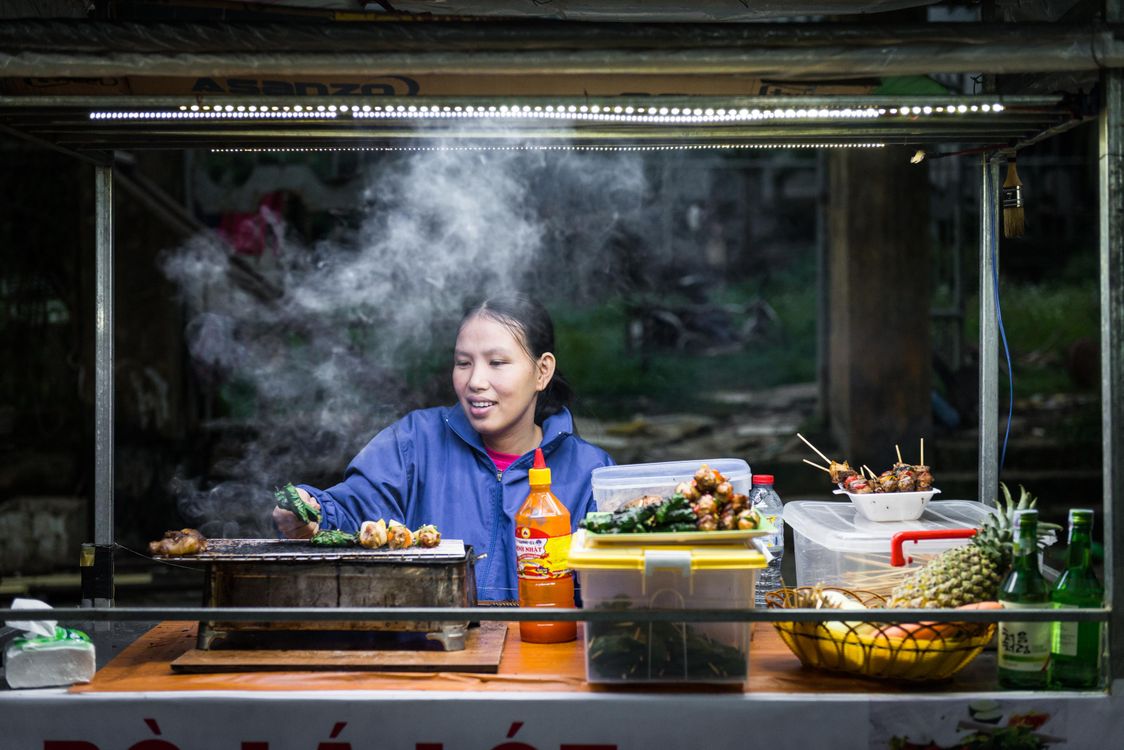


What to Eat in Hoi An – 8 Local Dishes You Can’t Leave Without Trying
Hoi An has its own food scene that’s completely different from Hanoi or Saigon. From Cao Lầu noodles you can’t find anywhere else to the banh mi Anthony Bourdain called the best — here’s what to eat and where.
Hoi An is the kind of place where you come for the lanterns and stay for the food. I’m not exaggerating — this little UNESCO town has a food scene that’s completely its own. Cao Lầu noodles that only exist here because of an ancient Cham well. A banh mi so good Anthony Bourdain called it the best he’d ever had. And a bunch of dishes you’ve probably never heard of.
The reason? Hoi An was a trading port for centuries. Chinese, Japanese, Portuguese, French — they all passed through and left their mark on the kitchen. Plus the water from Ba Le Well gives the local noodles a texture you just can’t replicate anywhere else.
Most dishes cost between 10,000 and 55,000 VND (roughly $0.50–$2.50 USD). Here’s what to eat and exactly where to find it.
1. Cao Lầu — The Noodle That Only Exists Here
Picture this: thick, chewy noodles that look like they’ve been soaked in ash water (because they have). Topped with slices of pork belly, crunchy croutons, fresh greens, and just enough savory broth to coat everything. That’s Cao Lầu. And you can’t get it anywhere else in Vietnam.
The secret is the water. Legend says the noodles are made with water from the thousand-year-old Ba Le well, mixed with ash from Cham Island. Real or not — the texture is unlike any noodle you’ll find in Hanoi or Saigon.
Where: Ms. Hà, stall E035 at Hoi An Central Market, or Ms. Thanh at 26 Thái Phiên Street
Price: 20,000 – 25,000 VND (~$1)
Pro tip: Go to the market early. By 11am the good stalls start running out.
2. Bánh Mì Phượng — The One Bourdain Called the Best
Anthony Bourdain ate at a lot of places. When he said the banh mi at Bánh Mì Phượng was “the best in Vietnam,” people listened. And honestly? He wasn’t wrong.
The magic here is the bread — shatteringly crispy on the outside, pillowy on the inside. They load it with pork liver pâté, pork floss, shredded chicken, ham, cucumber, herbs, and a spread of mystery sauces that tie it all together. You’ll smell the place before you see it.
Where: 2B Phan Chu Trinh Street, Hoi An
Price: 20,000 – 25,000 VND (~$1)
Go for the barbecue pork version if they have it. And bring cash — they don’t take cards.
3. Cơm Gà — Hoi An Chicken Rice
If you’ve had Hainanese chicken rice in Singapore or Malaysia, you know the drill. But Hoi An’s version? It’s its own thing. The rice is fragrant with turmeric, the chicken is shredded not sliced, and it comes with a heap of fresh herbs, pickled carrots, and this punchy chili-lime dipping sauce.
Simple. But damn good.
Where: Cơm Gà Bà Buội at 22 Phan Chu Trinh Street
Price: 35,000 – 55,000 VND (~$1.50–$2.30)
Heads up: some places near the tourist zone will try to charge you double. Confirm the price before you sit down. Bà Buội’s is legit — she’s been doing this for decades.
4. Mì Quảng — The Noodle That’s Almost a Salad
Mì Quảng is Quảng Nam province’s signature dish, and it breaks every noodle soup rule. There’s barely any broth — just enough to coat the wide rice noodles. Then it’s piled high with pork, shrimp, quail eggs, crushed peanuts, fresh herbs, and a crunchy sesame rice cracker on top.
You mix it all together yourself. Every bite is different. And the lack of broth means the flavors hit you undiluted.
Where: Mr. Hải’s at 6A Trương Minh Lương Street, or at Hoi An Central Market
Price: 20,000 – 25,000 VND (~$1)
5. White Rose Dumplings — Translucent Little Works of Art
Ever seen a dumpling that looks like a flower? That’s bánh bao bánh vạc — white rose dumplings. Translucent rice paper wrapped around seasoned shrimp, steamed into delicate rose-like shapes. They’re almost too pretty to eat. Almost.
The making of these things is ridiculously labor-intensive. Each one is hand-shaped. That’s why you really only find them in Hoi An — no one outside the town bothers with the effort.
Where: Hoa Hồng Trắng Restaurant, 533 Hai Bà Trưng Street
Price: ~90,000 VND per person (~$4) — comes as a set
6. Bánh Xèo — Crispy Turmeric Pancake
You know that sizzling sound you hear as you walk through the central market? That’s bánh xèo. Rice flour, turmeric, coconut milk — poured into a hot pan with pork, shrimp, and bean sprouts. The edges get lacy and crisp while the center stays soft.
You eat it by tearing off a piece, wrapping it in lettuce with herbs, and dipping it in nước chấm (fish sauce with a kick of chili). The crunch is pure satisfaction.
Where: Hoi An Central Market — multiple stalls
Price: 20,000 VND (~$0.85)
7. Chè — The Cool-Down You Didn’t Know You Needed
Hoi An gets hot. Like, sweat-through-your-shirt hot. And that’s exactly when chè comes in. It’s a sweet dessert soup — beans, jelly, coconut milk, crushed ice — that locals sip on like iced coffee. There are a million varieties. Some with corn (chè bắp), some with lotus seeds, some with taro and coconut cream.
Grab a bowl, find a plastic stool, and watch the world go by.
Where: Stalls behind the Japanese Bridge, or Hoi An Central Market
Price: 10,000 – 20,000 VND (~$0.40–$0.85)
8. Bánh Căn Trứng — The Mini Pancakes You’ll Crave
These tiny turmeric pancakes are cooked in miniature aluminum molds — about the size of a silver dollar. Each one gets an egg cracked inside, then they’re flipped out golden and crispy. Served on a bed of herbs with pickled papaya and grilled sausage.
Pop one in your mouth whole. The texture is crispy-chewy, the turmeric gives it a warm color and a subtle earthiness, and the papaya cuts through the richness. Ridiculously good for 10,000 VND.
Where: Corner of Trần Phú and Hai Bà Trưng Street (evenings only)
Price: 10,000 VND (~$0.40)
At a Glance — Hoi An’s Must-Try Dishes
| Dish | Price (VND) | Best For |
|---|---|---|
| Cao Lầu | 20,000–25,000 | Signature Hoi An experience |
| Bánh Mì Phượng | 20,000–25,000 | Quick — Bourdain-approved |
| Cơm Gà | 35,000–55,000 | Hearty meal |
| Mì Quảng | 20,000–25,000 | Unique noodle experience |
| White Rose Dumplings | ~90,000 | Something special |
| Bánh Xèo | 20,000 | Market snack |
| Chè | 10,000–20,000 | Hot day refreshment |
| Bánh Căn Trứng | 10,000 | Evening street snack |
Before You Go
- Cash is king. Most street stalls don’t take cards. ATMs are everywhere in the old town but charge fees — withdraw enough at once.
- Go early or go late. Cao Lầu and Mì Quảng sell out by early afternoon. Evening-only stalls (bánh căn, thịt nướng) start around 5pm.
- Confirm prices first. A few tourist-zone places inflate prices for foreigners. It’s rare, but worth asking “Bao nhiêu?” before ordering.
- Don’t skip the market. Hoi An Central Market has the best selection of dishes under one roof. Go in the morning for freshness.
- Ice is safe. Vietnam uses block ice made from purified water — the same stuff everyone drinks. Banh mi, smoothies, iced coffee — go for it.
FAQs — What Travelers Are Actually Asking
Is street food in Hoi An safe to eat?
Generally, yes. Most stalls cook fresh, and turnover is fast. Stick to places that are busy with locals — that’s your best sign of quality. Bánh Mì Phượng had a widely-reported food poisoning incident a few years back, but they’ve since cleaned up their operation and are as busy as ever. Use common sense: avoid anything that’s been sitting out, and watch your stomach if you’re not used to heavy chili.
How much money do I need for a day of eating in Hoi An?
A very comfortable day of eating — breakfast, lunch, two snacks, dinner, and dessert — will run you about 150,000–250,000 VND ($6–$10). You can do it on half that if you stick to market stalls. Splurging on a sit-down restaurant meal adds maybe 200,000–400,000 VND more.
What dish is Hoi An most famous for?
Cao Lầu, no question. It’s the one dish you literally cannot get anywhere else — the specific noodle-making technique and well water are unique to Hoi An. If you only try one local specialty, make it this.
Can I find vegetarian options in Hoi An?
Yes, but you have to look. Many stalls will make a vegetarian version of mì quảng or cao lầu (ask for “chay”). There are also a few dedicated vegetarian restaurants in the old town, but street food options are limited. Bánh mì with egg and tofu is a reliable fallback.
Do I need to join a food tour or can I DIY?
DIY is easy. All the dishes here are within walking distance of the old town. Grab a map, start at the central market, and work your way out. If you want someone to explain every dish and handle the ordering for you, a food tour is worth it — try AN Tours for local-led options. I went with a small group last May — five of us ate our way through the central market and the riverside stalls in about three hours. The guide knew exactly which bánh xèo pan had been on the heat longest (crispier, obviously) and which mì quảng stall skipped the quail eggs to save cost. Worth every đổng.
The Short Version
Hoi An’s food is the best reason to visit this town. Not the lanterns, not the tailor shops — the food. Cao Lầu you can’t get anywhere else. Bánh mì that lives up to the hype. Pancakes smaller than your palm that somehow taste like the best thing you’ve eaten all trip.
Eat at the market. Eat at the street stalls. Skip the fancy riverfront restaurants — that’s not where the good stuff is. And if you’re around in June or July? The weather’s perfect for wandering from stall to stall without melting. Da Nang food guide is just 30km away too — make it a central Vietnam food trip. If you’re extending north to Huế, the food gets even more layered — check out MIA Hue Tours for a local-led experience through the imperial cuisine scene.
Hungry yet? WhatsApp/Zalo: +84 70 6666 520 — we’ll take you.


Content summary
Other blogOther blog
Related blogs

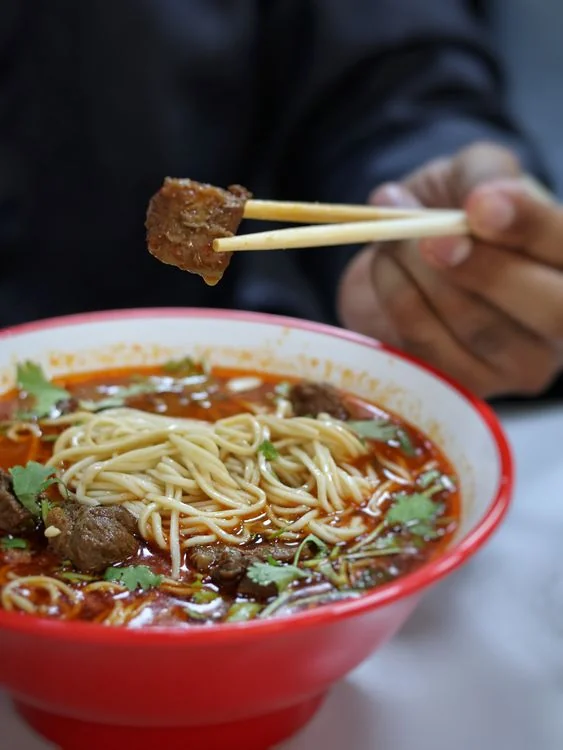
What to Eat in Hue — 10 Dishes Locals Actually Eat
Hue is Vietnam’s food capital and criminally underrated. Here are 10 dishes locals actually eat — where to find them and what they cost.
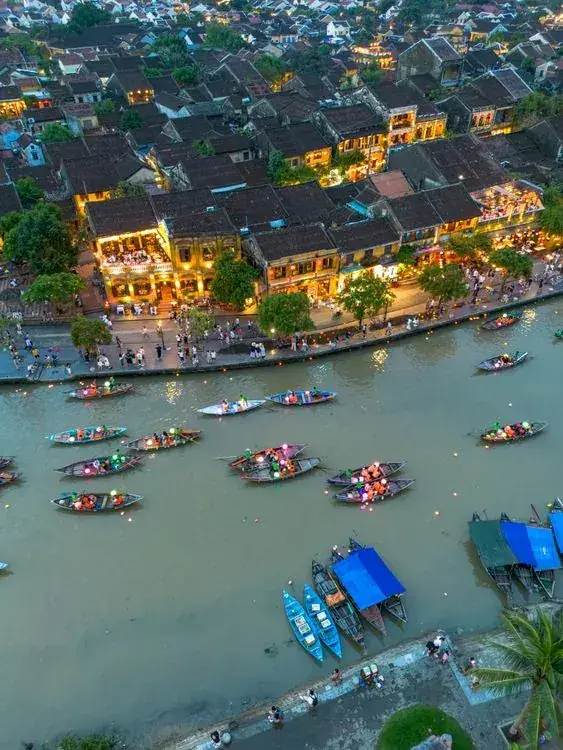
Where to Stay in Hoi An — Best Areas & Hotels for Every Budget
Old Town or the beach? Here’s the honest breakdown of every Hoi An neighborhood — what each one is like, who it suits, and real hotels at real prices.
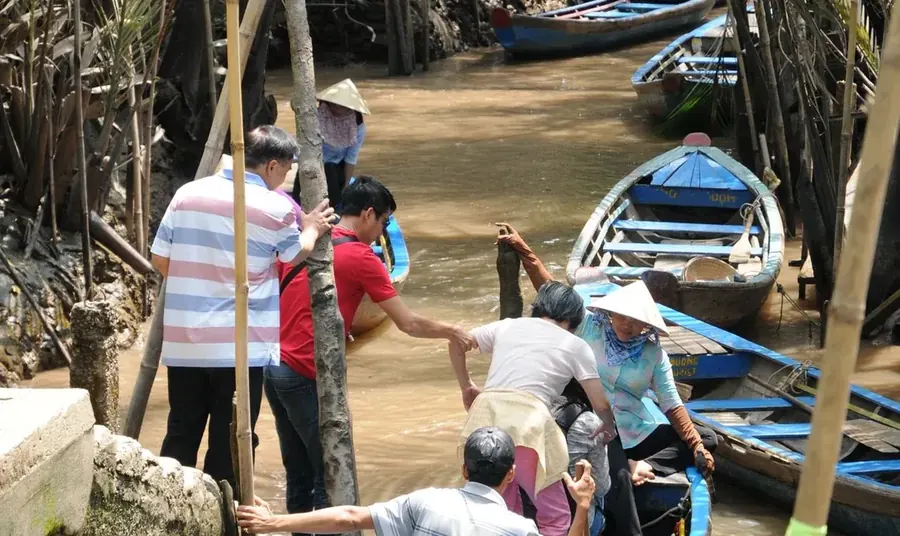
10 Best Things to Do in Ben Tre — Coconut Canals, Sunset Birds & Real Mekong Life
Only 85km from Saigon, Ben Tre is the Mekong at its most authentic. Here are 10 things to do — coconut canals, warm candy, sunset storks and food worth the drive.